The Two Catalysts That Will Make or Break DRAM’s 98% Rally in 2026
The Roundhill Memory ETF (CBOE:DRAM) opened for trading on April 2, 2026 as the first U.S.-listed ETF dedicated purely to memory chip manufacturers, arriving as memory contract prices were already accelerating. DRAM has climbed 98% since inception, including a roughly…

This post may contain links from our sponsors and affiliates, and Flywheel Publishing may receive compensation for actions taken through them.

The Roundhill Memory ETF (CBOE:DRAM) opened for trading on April 2, 2026 as the first U.S.-listed ETF dedicated purely to memory chip manufacturers, arriving as memory contract prices were already accelerating. DRAM has climbed 98% since inception, including a roughly 30% gain in the past week, as AI-driven demand for high-bandwidth memory continues to overwhelm supply. For investors who want exposure to the memory cycle without picking between Samsung, SK hynix, and Micron (NASDAQ:MU | MU Price Prediction), DRAM offers a clean basket trade. The question now is whether the cycle has more room to run.
What the fund actually owns
DRAM is concentrated by design, with its portfolio structured around the global memory supply chain:
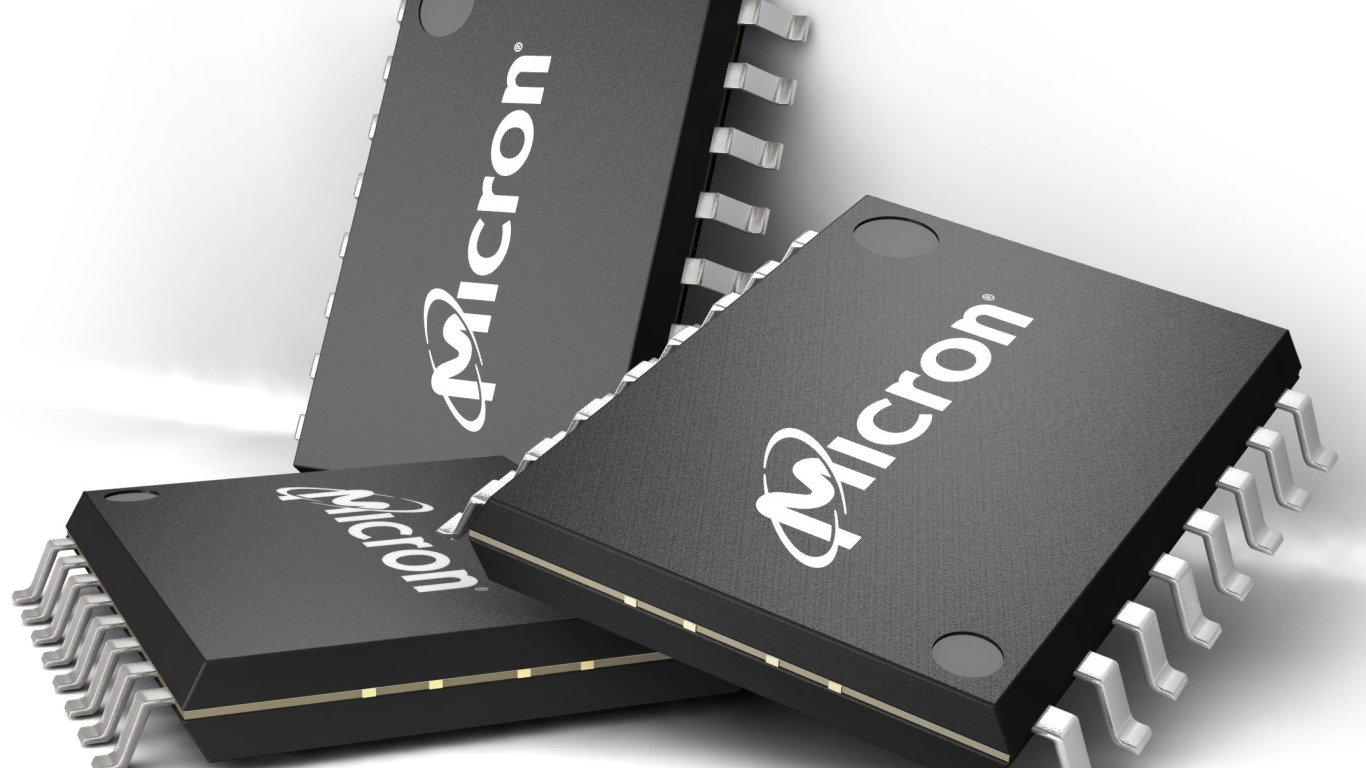
- Top three holdings: Samsung Electronics at 25%, SK hynix at 24%, and Micron Technology at 24%, which together make up roughly 73% of net assets and anchor the fund’s exposure to the HBM and DRAM duopoly.
- NAND and storage names: Kioxia (5%), Sandisk (5%), Western Digital (5%), Seagate (4%), Nanya Technology (4%), and Winbond (2%), which round out the remainder of the portfolio and provide secondary exposure to the broader memory cycle.
- Geographic mix: South Korea accounts for 49% of the portfolio and the United States for 38%, with Taiwan and Japan filling out the rest, leaving the fund heavily tied to Korean equity and FX dynamics.
The fund charges 0.65% and has $0.25 million in assets, a reminder that this is a fresh launch with thin liquidity. Investors trading large blocks should expect wider bid-ask spreads until AUM builds.
The macro factor that matters most: HBM and DRAM contract pricing
The single variable most likely to dictate DRAM’s next twelve months is the trajectory of memory contract pricing, particularly for high-bandwidth memory used in AI accelerators. Memory is a commodity, and the spot and contract prices reported monthly by TrendForce and DRAMeXchange flow almost directly into the revenue lines of Samsung, SK hynix, and Micron. Micron alone is up 179% year to date and more than 800% over the past year, a move that priced in tight HBM supply through 2026.
Watch the TrendForce monthly DRAM contract price release and Micron’s quarterly guidance, which lands roughly every three months and tends to set the tone for the entire group. The historical precedent investors should keep in mind is the 2022-2023 memory bust, when DRAM contract prices fell for seven consecutive quarters and Micron swung to operating losses. A single month of declining HBM ASPs would be the first credible signal that the current upcycle is rolling over.
The fund-specific factor: Korean concentration and the HBM duopoly
Because 49% of DRAM sits in South Korean equities, two things investors do not normally think about now drive returns directly. The first is the won-dollar exchange rate, which translates Samsung and SK hynix earnings into U.S. dollar NAV. The second is the HBM qualification race with NVIDIA. SK hynix has been the lead HBM3E supplier; Samsung has been working to close the gap. Any headline that Samsung secures or loses NVIDIA HBM4 qualification would reprice roughly a quarter of the fund within a single session.
The Korea Exchange filings for both companies, along with NVIDIA’s supplier commentary at quarterly earnings, are the most reliable places to track this. Investors who want the same AI memory theme with less Korean exposure can hold Micron directly, which carries similar end-market drivers without the FX and governance overlay.
What to watch from here
The signal that matters most for DRAM holders is the next TrendForce monthly DRAM contract price update paired with Micron’s fiscal Q3 guidance. If contract prices hold and HBM allocations tighten further, the fund’s three-stock engine keeps running. If Samsung wins meaningful HBM4 share from SK hynix, expect the internal weights, and the leadership inside DRAM, to shift quickly.
Contact [email protected] for any questions or corrections.
I am a long time investor and student of business, and believe finding good companies that can become great investments is the best game on earth. After 20 years of writing and researching the public markets it is clear that individuals have never had more tools and information to take control of their financial lives. From ETFs and $0 commissions to cryptos and prediction markets there has never been a greater democratization of access to investing.
I write to help people understand the investments available to them so they can make the best choice for their portfolio, whether they're starting out or looking for income in retirement.