How High Could Solana (SOL) Realistically Go This Cycle?
Solana (CRYPTO: SOL) is one of those cryptocurrencies that keeps pulling investors back in no matter how rough the chart looks. SOL hit $294 in January 2025, but most of those gains have been wiped out since. The coin now…

This post may contain links from our sponsors and affiliates, and Flywheel Publishing may receive compensation for actions taken through them.
Solana (CRYPTO: SOL) is one of those cryptocurrencies that keeps pulling investors back in no matter how rough the chart looks. SOL hit $294 in January 2025, but most of those gains have been wiped out since. The coin now trades roughly 72% below that peak, which is why investors are curious about how high Solana can realistically go before this cycle ends.
Solana’s underlying network has stayed much stronger than the price action suggests, and the on-chain data, analyst forecasts, and ETF flows back that up.
Where Solana Stands Right Now
Solana is trading near $82 in May 2026, with a market capitalization close to $48 billion. Even after the brutal correction, SOL still holds its position as one of the five largest cryptocurrencies in the market.
Analysts are watching the $120 to $150 range closely. If SOL can break above that zone and hold it as support, the next move could take the token toward $180 or even $200.
The network itself has held up while the price has struggled. Solana processed between 1,000 and 1,500 transactions per second in Q1 2026, while maintaining a success rate above 80% through the late 2025 slowdown.
Developer activity also remained strong, ranking second globally behind Ethereum throughout 2025. Moreover, spot Solana ETFs are already live and staking rewards are being passed through to shareholders. So, the infrastructure is in place, but the price is yet to catch up.
Why SOL Is Still Trading Far Below Its Peak
A big part of Solana’s rally in 2025 came from memecoin activity. The network became the center of speculative trading, and once that excitement faded, a large part of the on-chain traffic disappeared with it.
The ETF slowdown made things worse. According to SoSoValue, monthly spot SOL ETF inflows dropped from roughly $419 million in November 2025 to just $34 million by April 2026, six straight months of weakening institutional demand. Once that steady flow of money slowed, the price floor weakened with it.
Macro also added selling pressure. The Bank of Japan raised interest rates to 0.75% in December 2025, its highest level since 1995, triggering a broader risk-off move across global markets. Investors pulled money out of high-risk assets, and Solana took a bigger hit than most major cryptocurrencies.
What Analysts Think SOL Could Reach
Standard Chartered’s Geoffrey Kendrick is one of the most cited institutional analysts covering SOL. He lowered his 2026 year-end target from $310 to $250 in February, but the cut had more to do with macro conditions and timing than weakness in Solana itself.
Even after trimming the near-term target, Kendrick expects Solana to climb much higher over the long run. His roadmap places Solana at $400 in 2027, $700 in 2028, $1,200 in 2029, and as high as $2,000 by the end of 2030.
Most analyst predictions average roughly $500 for SOL in 2026, with the most bullish estimate reaching $1,200. That higher range depends on Solana reaching adoption levels the market has not seen yet.
What Is Supporting Solana’s Recovery?
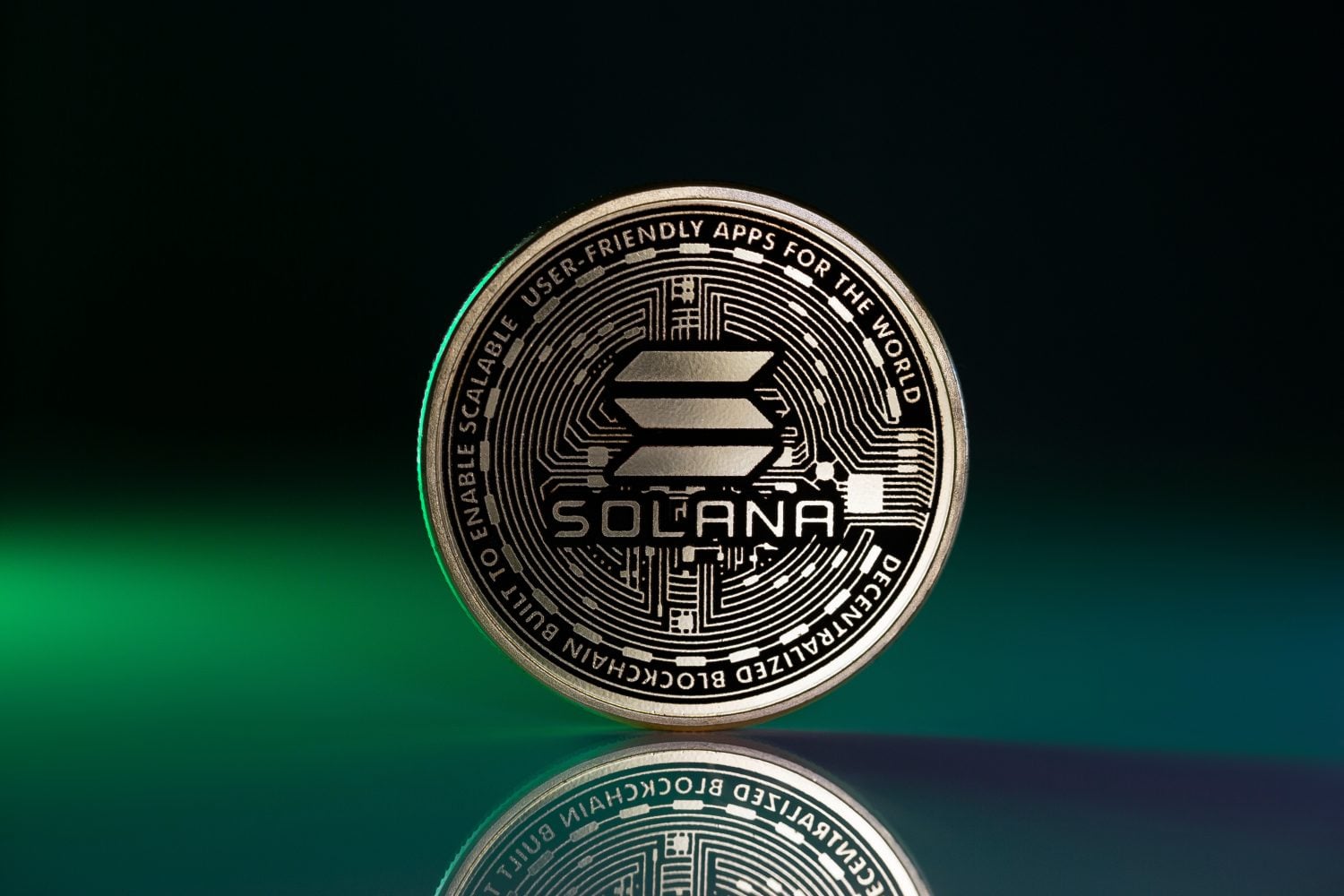
Institutional interest in Solana has held up through the correction. Data from SoSoValue shows cumulative inflows into spot SOL ETFs have climbed to roughly $1.1 billion, hitting an all-time high in May. More than $45 million flowed into the products across just two trading sessions in May alone.
SEC 13F filings show that investment advisers now control roughly 49% of U.S. spot SOL ETF assets. The picture is mixed at the bank level. Goldman Sachs fully exited its SOL ETF positions in Q1 2026, reallocating toward Bitcoin and Hyperliquid exposure, but the broader ETF complex has continued to absorb capital from other institutional buyers. Solana spot ETFs have not recorded a single red month since launching.
On the technical side, traders are watching the 200-day moving average closely. The indicator has been rising steadily since May 20, 2026, and is projected to approach $103 by June. That level matters more psychologically than technically right now. If SOL can reclaim and hold above it, investors will likely start treating the recent collapse as a completed correction rather than an ongoing downtrend.
The Realistic Outlook for How High SOL Could Go
Solana entered 2026 with roughly $873 million in tokenized real-world assets on the network, and that number continues to grow. Once financial institutions start building directly on a blockchain, the value of the token becomes tied more closely to real capital flows rather than pure speculation.
Right now, 13 public companies have already staked around $1.72 billion worth of SOL. Validator costs have collapsed by roughly 98% to nearly $1,000 per year, while staking yields remain above 7%, much higher than what most traditional fixed-income assets are offering.
If you are asking how high SOL could realistically go this cycle, the floor for many institutional investors is now $250 rather than an extreme bullish target. What happens above that depends on how much of the tokenized real-world asset market Solana captures over the next 12 to 24 months.
Contact [email protected] for any questions or corrections.
Sam Daodu is a crypto analyst who's spent nearly a decade making blockchain understandable—no easy task when most whitepapers read like fever dreams. He writes for 24/7 Wall St., covering Bitcoin, altcoins, and crypto market analysis for investors. Before crypto, he was a tech writer (back when explaining "the cloud" was peak innovation). Since 2018, he's written for CoinTelegraph, Yahoo Finance, The Block, Cryptonews, Zypto, Rain, and more—basically anywhere people want crypto news without the headache. Sam runs MacLabs Marketing, a content agency for crypto brands tired of sounding like AI wrote their website. He also publishes free crypto education on his site for Web3 enthusiasts who think "gas fees" is a typo. When he's not writing or staring at charts, Sam's either: - Watching anime (currently convinced One Piece has better tokenomics than most altcoins) - At the gym sculpting himself into a Greek god - Listening to the music your mum warned you only bad boys listen to Connect: LinkedIn | Email | MacLabs Marketing