




Inflation has a way of turning economics into personal finance. For retirees living on fixed incomes, every increase in the price of groceries, gasoline, utilities, and healthcare stretches a monthly Social Security check a little further than it was designed to go. And after years of inflation shocks, Americans are once again watching prices climb.
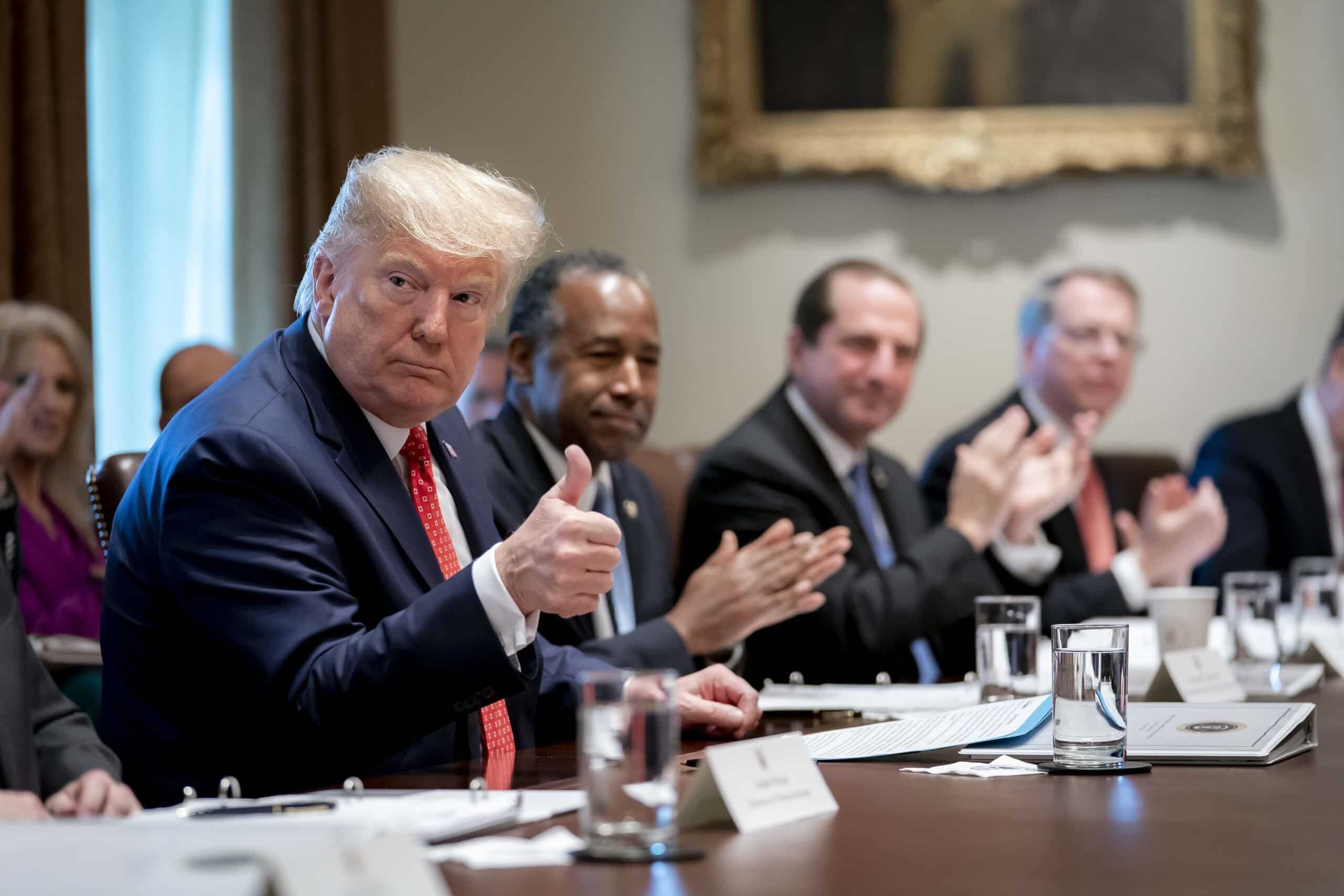
President Trump’s tariffs last year sent the ball rolling, but rising energy costs tied to the conflict with Iran have added fresh pressure, pushing inflation expectations higher and putting the Federal Reserve back in the spotlight.
That creates an interesting possibility. If President Trump and new Fed Chair Kevin Warsh succeed in running the economy hotter with lower interest rates, inflation could remain elevated. Ironically, that could result in a larger Social Security cost-of-living adjustment (COLA) for 2027, giving retirees a big gift.
But there’s one big problem with that theory.
Higher Inflation Could Mean a Bigger COLA
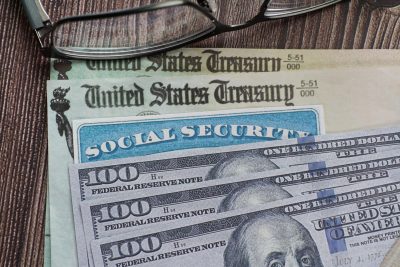
Social Security’s annual COLA isn’t determined by politicians. It’s based on the Consumer Price Index for Urban Wage Earners and Clerical Workers, better known as CPI-W.
Specifically, the Social Security Administration compares average CPI-W readings during the third quarter of one year with the third quarter of the prior year. The percentage increase becomes the following year’s COLA.
That means the most important period for determining the 2027 adjustment isn’t happening today. It’s the July-through-September quarter of 2026.
If inflation continues accelerating into that period, retirees could receive one of the larger COLA increases seen in recent years. In that sense, higher inflation acts like an automatic benefit increase.
Of course, retirees know the catch. A larger COLA is only helpful if it keeps pace with rising living costs. A 5% benefit increase feels less generous when groceries, insurance, and utility bills are climbing by similar amounts.
The Fed Isn’t a One-Man Show
Trump has made no secret of his preference for lower interest rates, and Warsh was selected in part because he is viewed as more supportive of growth-oriented monetary policy than his predecessor.
But investors should avoid assuming Warsh can simply order rates lower. The Federal Open Market Committee votes on interest-rate decisions, and the March 2026 Summary of Economic Projections shows most policymakers favoring either no further rate cuts this year or just one 25-basis-point reduction. The federal funds rate currently sits at 3.5% to 3.75%, and the median projection implies only modest easing from current levels.
Even before recent inflation concerns intensified, seven of the 19 participants projected no rate cuts at all during 2026.
That’s important because April’s inflation data came in hotter than many expected, and energy prices remain under pressure from Middle East tensions. Several Fed officials have recently argued that policy remains appropriately restrictive and should stay that way until inflation risks fade.
In other words, Warsh gets one vote.
The Third Quarter Is What Matters
Investors, retirees, and policymakers can debate where inflation goes next, but the COLA calculation ultimately comes down to CPI-W data during the third quarter of 2026.
If inflation remains elevated through September, retirees could see a sizable increase in their Social Security benefits for 2027. If inflation cools before then, the adjustment will likely be more modest.
Granted, lower rates could help support economic growth and financial markets, but the Fed’s own projections suggest policymakers remain cautious about cutting rates aggressively while inflation risks persist.
Key Takeaway
In short, Trump and Kevin Warsh may favor policies that keep economic growth humming and interest rates lower. If those policies contribute to higher inflation, retirees could end up with a larger Social Security COLA in 2027.
The problem is that neither Trump nor Warsh controls monetary policy alone. The Fed’s March dot plot showed a split committee, with several members projecting no rate cuts in 2026 and others projecting one or more, but recent inflation developments may have reinforced caution. The key number to watch isn’t the federal funds rate — it is CPI-W during the third quarter of 2026.
That’s the figure that will determine whether retirees receive an ordinary raise next year — or a much larger one.











 Top Gaining Stocks
 Top Losing Stocks