Big-Name Anchor Thinks a Market Downturn is Inevitable — A Sober Reminder That Bull Markets Don’t Run Forever, Even in Boom Times
Andrew Ross Sorkin is arguably one of the biggest names in business news, and with his new book, 1929: Inside the Greatest Crash in Wall Street History — and How It Shattered a Nation, the man has really shone a…

This post may contain links from our sponsors and affiliates, and Flywheel Publishing may receive compensation for actions taken through them.
Andrew Ross Sorkin is arguably one of the biggest names in business news, and with his new book, 1929: Inside the Greatest Crash in Wall Street History — and How It Shattered a Nation, the man has really shone a bright light on the lessons from the distant past, which may have been forgotten by some. Indeed, the book couldn’t have come at a better time, with stock markets rocketing higher on the back of the AI revolution. And while there might be far more similarities between the environment of today and the boom period of the late-1990s that preceded the great dot-com collapse, I do think that it’s also worth looking back nearly 100 years ago to the 1929 market crash.
Back then, there was a lot of speculative excess. In other words, people were in the mood to gamble. With the rise of prediction markets, options trading, parabolic movers within the semiconductor space, and more, there’s certainly no shortage of ways for investors to take a big chance for a shot at a big gain.
And while it’s up for debate as to where the market psychology stands today, as we’re propelled into an economy that’s driven by the most significant technological innovation of all time, I do think that the lessons of the past should be revisited, especially by those who are so convinced that AI isn’t not only in a bubble, but that the parabolic gainers, specifically within the semiconductor scene, can maintain the pace for over the long haul without those occassional upsets. In the case of such a name, a 50% crash is probably the equivalent of a “correction,” given the momentum that lies in the rearview.
A crash is coming. That’s pretty much a fact. But nobody knows when, how, or why.
Of course, it’s easy to get a bit excited and be willing to overpay due to the fear of missing out (FOMO) as the pace of gains seemingly accelerates. But even if the AI monetization boom is real, it’s hard to tell if share prices have already run in a way such that expectations are even higher than what’s to come. In any case, Andrew Ross Sorkin, the famed CNBC anchor and author of 1929, stated that a “crash is coming.”
And he’s right. But the kicker here is that he doesn’t have a time for when such a crash will occur or how “deep” it will extend. If you’re an options trader, that kind of information is less than useful. That said, if you’re a long-term investor who understands that bull markets don’t last forever and bear markets can hit from out of nowhere, it’s worth re-evaluating one’s mix of risks, especially for investors who’ve continued adding to positions in parabolic movers on the way up.
Things are getting frothy in some corners of AI
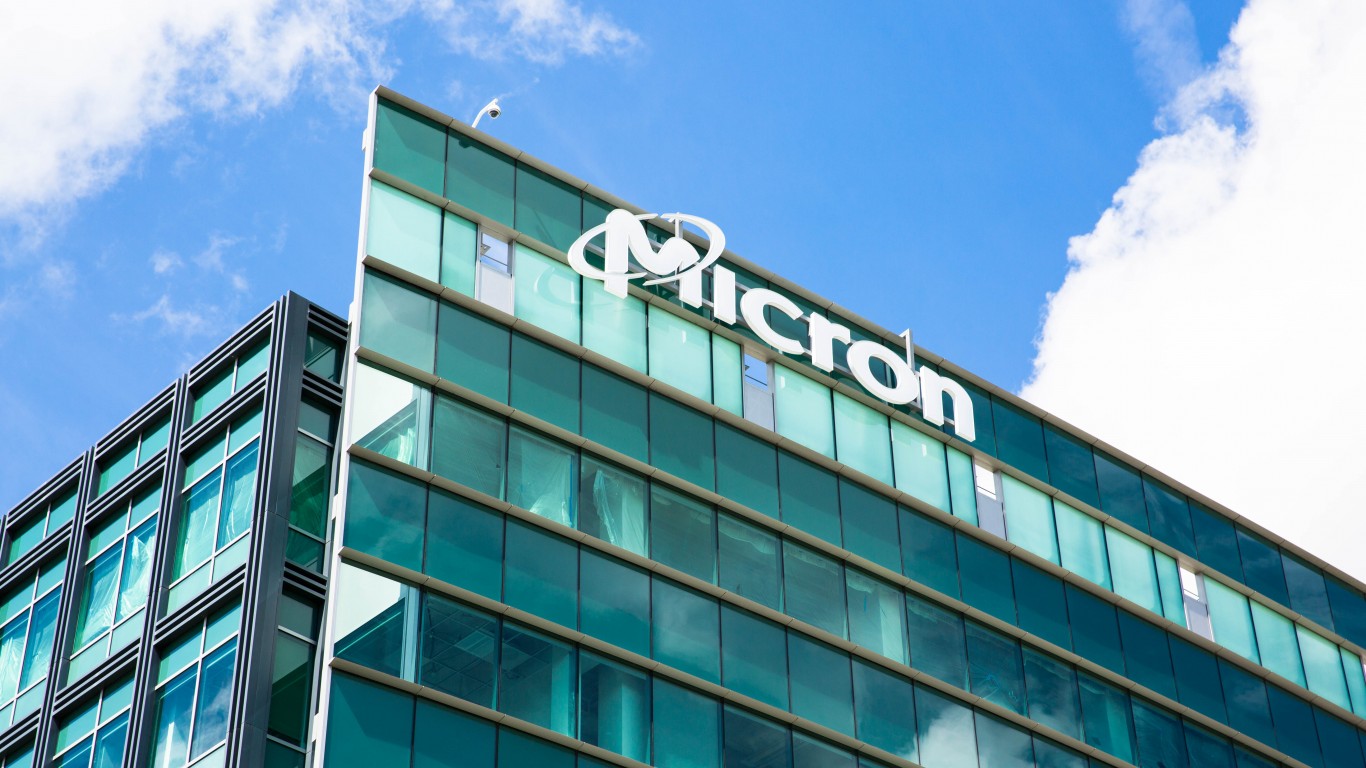
It has been up, up, and away from many unexpected names, like Micron (NASDAQ:MU | MU Price Prediction), that are suddenly worth north of $1 trillion. As the memory chip shortage gets pushed further out, investors might be more than willing to pay the higher price tag. But the big question is when will supply catch up with demand, and what happens to pricing power if supply eventually overshoots?
Any way you look at it, it’s hard not to think there’s way too much froth in some corners of the AI trade. While Ross Sorkin views 1999 as a better comparable than 1929 (and I’d be inclined to agree) to today’s manic market, I do think that it feels more like 1997 or even 1998. Of course, what causes the next crash (could it be AI?) remains anyone’s guess. And there’s always the possibility that the crash comes later on, leaving plenty of additional gains on the table until the moment comes.
The bottom line
Either way, those who forget the history lessons, I think, might be ill-prepared to deal with a crash, whether it comes sooner or later. Elevated price-to-earnings (P/E) multiples on the S&P 500 might be a red flag for some, and the situation in Iran might be a bigger concern for others. Perhaps it’s the swelling national debt that’s something to be cautious of. In any case, though, I think having a closer look at risk seems prudent at a time like this, whether or not that crash comes by 2030 or well after.
Contact [email protected] for any questions or corrections.
Joey is a 24/7 Wall St. contributor and seasoned investment writer whose work can also be found in publications such as The Motley Fool and TipRanks. Holding a B.A.Sc in Computer Engineering from the University of British Columbia (UBC), Joey has leveraged his technical background to provide insightful stock analyses to readers.
Joey's investment philosophy is heavily influenced by Warren Buffett's value investing principles. As a dedicated Buffett disciple, Joey is committed to unearthing value in the tech sector and beyond.