Steve Ballmer Just Received a $303 Million Check From Microsoft. That Retirement Payday is Bigger than Most Powerball Jackpots
Today is dividend day at Microsoft, and one shareholder is collecting a check that dwarfs almost every Powerball jackpot in U.S. history. Microsoft (NASDAQ:MSFT | MSFT Price Prediction) paid its quarterly dividend of $0.91 per share on June 11, 2026,…

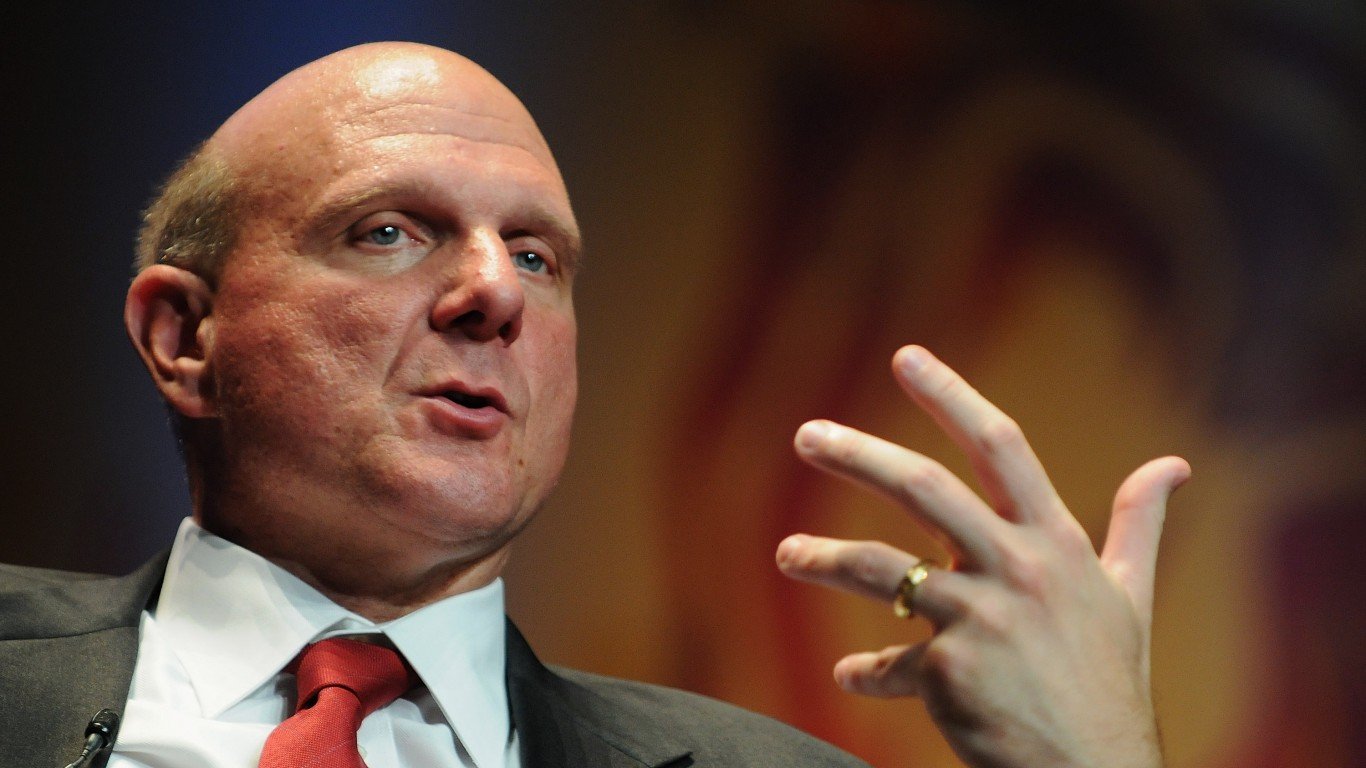
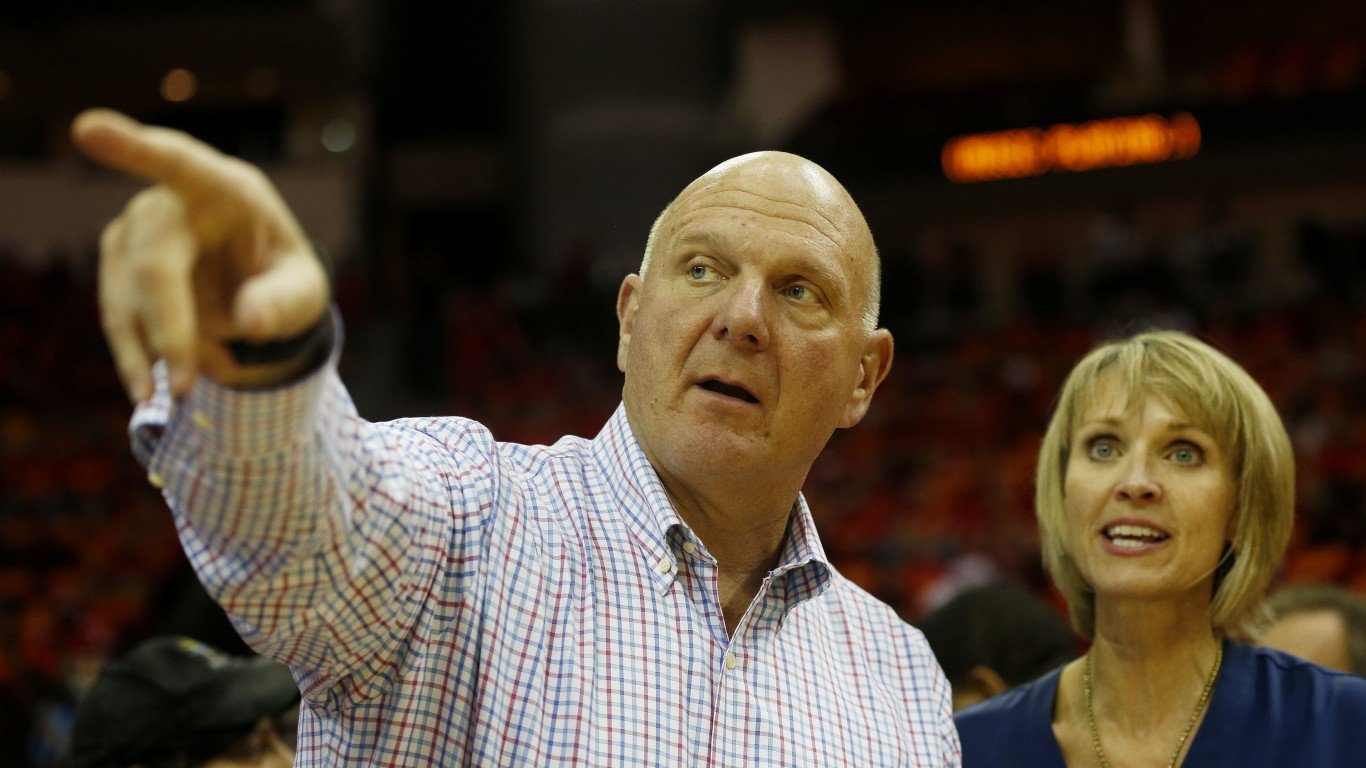
Today is dividend day at Microsoft, and one shareholder is collecting a check that dwarfs almost every Powerball jackpot in U.S. history. Microsoft (NASDAQ:MSFT | MSFT Price Prediction) paid its quarterly dividend of $0.91 per share on June 11, 2026, declared March 10, 2026, with an ex-dividend and record date of May 21, 2026. For most investors, that works out to a modest top-up. For Steve Ballmer, who according to the Bloomberg Billionaires Index still controls roughly 4% of Microsoft, it works out to a payday Bloomberg and Forbes both peg at approximately $303 million from this single quarterly distribution.
But this isn’t a one-time Mega Millions jackpot (odds one in 259 million). Ballmer gets another one next quarter.
How the math got this absurd
Microsoft has 7.43 billion shares outstanding and pays a dividend yield slightly under 1%. A 4% slice of that float, multiplied by $0.91 per share, is what produces the nine-figure quarterly check. The current rate has been in place since late 2025, when Microsoft raised the dividend from $0.83 to $0.91, the latest step in a payout that has climbed from $0.08 per quarter back in 2003.
The compounding side of the story is the stock itself. MSFT closed around $391 on June 10, 2026, and while shares were down roughly 17.5% year to date and about 15% over the prior year at that point, they have gained roughly 773% over the past ten years. Hold long enough through the chop, and a founder-era stake becomes a perpetual income machine.
Ballmer’s path: from employee #30 to dividend royalty
Ballmer joined Microsoft in 1980 as one of its earliest hires, succeeded Bill Gates as CEO in 2000, and stepped down in 2014. He bought the Los Angeles Clippers for $2 billion later that same year, a franchise Forbes now values at $7.5 billion. The defining choice across that entire arc was a refusal to dump his Microsoft stock. According to recent insider filings from March through June 2026, Ballmer has no transactions on record, while current executives such as Judson Althoff and Amy Coleman have been routinely trimming positions.
Ballmer’s long-term hold strategy has made him considerably wealthier than his old boss. Bill Gates sits at roughly $106 billion and ranks 19th on the Forbes 2026 Billionaires list. He was once the richest person in the world, but he has sold substantial portions of his Microsoft position and donated more than $59 billion to the Gates Foundation over the years. Ballmer, by contrast, has held firm. As of early July 2026, Forbes’ Real-Time Billionaires list places Ballmer at 14th globally, with a net worth of approximately $124 billion. Bloomberg’s methodology, which assumes he retained the bulk of his 333-million-share position after selling roughly 14 million shares to help finance the Clippers purchase, tells a similar story.
Why Microsoft can keep writing the checks
The business behind the dividend is generating results on every front. Microsoft’s Q3 FY2026 results showed revenue of $82.9 billion, up 18% year over year, beating Wall Street’s consensus of $81.5 billion. The Intelligent Cloud segment, which includes Azure, server products, GitHub, and Nuance cloud services, brought in $34.68 billion, a 30% jump from the year before, with Azure revenue growing 40%. CEO Satya Nadella noted the “AI business surpassed an annual revenue run rate of $37 billion, up 123% year-over-year.” Commercial remaining performance obligations sit near $627 billion, a backlog that effectively underwrites future dividend hikes. The full numbers are in Microsoft’s Q3 FY2026 earnings release filed with the SEC.
Operating margin came in at 46.3%, and the company returned $10.2 billion to shareholders through dividends and buybacks in the quarter alone. Among the 50 analysts covering the stock, 42 carry a Strong Buy rating, three a Moderate Buy, and five a Hold, with an average price target of $552.27, according to recent consensus data. The forward P/E sits at roughly 21x. Microsoft’s fiscal Q4 FY2026 earnings report is scheduled for July 29, 2026, where updated Azure and AI figures will likely shape the next dividend declaration.
How Ballmer stacks up against the other tech billionaires
With a net worth in the $124 billion range as of mid-July 2026, Ballmer sits in the same general tier as Warren Buffett, the Walton family heirs, and Michael Bloomberg, though well behind the AI-era runaway leaders. The Forbes 2026 annual rankings show Elon Musk at the top with $839 billion, followed by Larry Page, Sergey Brin, and Jeff Bezos. Those rankings shift week to week with the market, but Ballmer’s position is striking on its own terms: a man who has not been CEO of Microsoft since 2014 is many times wealthier today than he was on the day he left the corner office.
Ballmer has made more money after stepping aside. Is that unique?
The pattern is real. Jeff Bezos’s net worth ballooned well after he stepped back from day-to-day Amazon operations. Larry Page and Sergey Brin became dramatically richer in the years after handing Google to Sundar Pichai. Bill Gates would be considerably wealthier than Ballmer today had he not given the bulk of his Microsoft stake to philanthropy and diversified his portfolio.
The common thread is equity discipline. Operating roles end. Compounding does not. Ballmer’s $303 million quarterly check is the loudest possible illustration of a quieter principle: the wealthiest outcome usually belongs to the holder, not the seller. With Microsoft’s fiscal Q4 report arriving on July 29, 2026, another dividend declaration and another Azure update will set the stage for the next nine-figure payday.
Editor’s note: This article has been updated to reflect current Forbes Real-Time Billionaires rankings placing Ballmer at 14th globally with a net worth of approximately $124 billion, Gates at 19th with roughly $106 billion, revised analyst consensus figures of 42 Strong Buy ratings and an average price target of $552.27, and the confirmed July 29, 2026 date for Microsoft’s Q4 FY2026 earnings report.
Contact [email protected] for any questions or corrections.
Eric Bleeker, CFA has been investing for more than 20 years. He began his career working at Microsoft before joining Motley Fool, one of the largest publishers of financial research. In his 15 years at Motley Fool Eric served as the General Manager for Fool.com and led coverage in the Technology & Telecom sector. In addition, he was a featured columnist and has hosted dozens of investing seminars attended by more than a million total investors. Eric has more than 1,000 financial bylines to his name and has been featured in The Wall Street Journal, CNBC, Fox Business, and many other leading publications. He is currently focused on artificial intelligence investing and is a CFA Charterholoder.