Is The Aberdeen Physical Platinum Shares ETF A Buy, Sell, Or Hold? | PPLT
Precious metals are roaring back after the announcement of a permanent Iran ceasefire, but the Aberdeen Physical Platinum Shares ETF (NYSEARCA:PPLT) is worth paying attention to if you want to buy into a more long-term rally. This ETF tracks the…


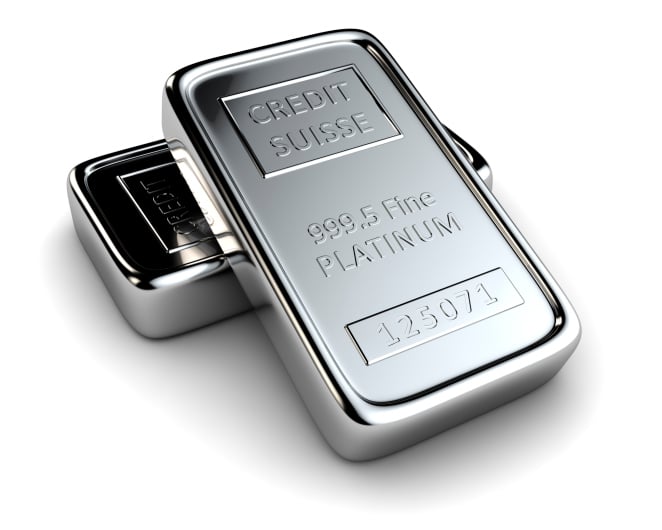
Precious metals are roaring back after the announcement of a permanent Iran ceasefire, but the Aberdeen Physical Platinum Shares ETF (NYSEARCA:PPLT) is worth paying attention to if you want to buy into a more long-term rally. This ETF tracks the spot price of physical platinum bullion, and there’s a significant platinum shortage.
PPLT surged by over 200% from early April 2025 to January 2026, though it has given back 35% since. The long-term supply crunch could lead to prices making a sharp comeback from here, especially as jewelry fabricators and retail investors in China pivot to platinum. Chinese platinum jewelry demand spiked by 26% while gold jewelry sales plummeted by over 30%.
At the same time, South Africa (the country accounts for >70% of platinum production) is still recovering. Its mining sector was hit by power and water shortages last year.
Platinum isn’t a vanity asset
Unlike gold, platinum has significant use cases that are driving up demand. Only a fraction of it is used for jewelry, whereas most of it is needed for heavy industry and manufacturing. Platinum’s primary job is sitting inside the catalytic converters of hybrid cars and heavy-duty diesel trucks. It chemically scrubs toxic emissions out of exhaust fumes.
Moreover, you also need platinum for refining petroleum and chemicals. And because platinum has a staggering melting point and resists corrosion perfectly, it is useful for tech too. The high-tech glass inside your smartphone, laptop, and LED television screens all need platinum. It is increasingly being used in the magnetic coatings of hard drives and optical fiber components to scale out AI data centers.
Why the platinum rally could come back stronger
Speculation led to the aforementioned 200% rally, but now that platinum has corrected, you could see a resurgence of the rally. Platinum deficits are deepening as the global platinum market is undergoing its fourth consecutive annual supply deficit.
The world is short by 297,000 to 312,000 ounces for the full year. These deficits have hollowed out global reserves, and inventories are expected to drop to just three months of demand coverage by the end of this year. If there’s another shock event, there’s very little buffer to hold prices down, and PPLT could deliver multibagger gains again.
You should also take into account the hydrogen demand wave. The Strait of Hormuz blockage isn’t a one-time shock event. To understand why, you can look back at what started the renewable energy movement: the 1973 Arab oil embargo. The Strait of Hormuz closure has been a worse shock in comparison, and countries are racing to build out a large reserve of oil, plus renewable energy. Thus, this could keep platinum demand high for decades.
Where PPLT can end up
Most financial institutions are bullish, with Bank of America seeing platinum prices average at $3,000/oz by Q4 2026 through Q1 2027. If this happens, PPLT will nearly double from current prices. The broader base-case target among commodity desks sits between $1,900 and $2,100/oz for the second half of the year, with an extended bull-case window of $2,300 to $2,500/oz if South African supply disruptions spike again. Either way, PPLT has a good chance of delivering market-beating returns.
In the longer term, I don’t expect PPLT to beat the market as South African production recovers and new mines come online. A surge back to $20-25, followed by platinum prices treading water from 2027-2030 is my base case.
Should you buy, hold, or sell PPLT?
I would buy PPLT if you want to buy for the short to medium term, but be prepared for it to underperform if in a 5-10 year timeframe. Bank of America’s $3,000 target is a fresh “reassurance” note that may end up being too ambitious if palladium prices come down too fast.
Automakers have been swapping expensive palladium out of their catalytic converters and replacing it with cheaper platinum, but the incentive could flip. And if there’s a recession, it could take PPLT to lows we haven’t seen in many years. On top of that, it’s hard to predict how long the Chinese tailwinds will last.
The fees here are 0.60%, or $60 per $10,000. I would only hold this tactically.
Contact [email protected] for any questions or corrections.
Omor Ibne Ehsan is a writer at 24/7 Wall St. He is a self-taught investor with a focus on growth, cyclical, and dividend equities that have strong fundamentals, value, and long-term potential. He also has an interest in high-risk, high-reward investments such as penny stocks.