SpaceX Launches Start of Acquisition Spree with Cursor After Historic IPO
The market has spent years viewing SpaceX (NASDAQ:SPCX | SPCX Price Prediction) primarily as a rocket company, but that narrative no longer fits. The company’s historic IPO, which raised $85.7 billion after underwriters exercised the so-called “greenshoe” overallotment — with…

This post may contain links from our sponsors and affiliates, and Flywheel Publishing may receive compensation for actions taken through them.
The market has spent years viewing SpaceX (NASDAQ:SPCX | SPCX Price Prediction) primarily as a rocket company, but that narrative no longer fits. The company’s historic IPO, which raised $85.7 billion after underwriters exercised the so-called “greenshoe” overallotment — with the stock currently valued at more than $2.7 trillion — revealed a business pursuing ambitions that stretch far beyond launch services and satellite communications.
According to its S-1 filing, SpaceX is increasingly positioning itself as an artificial intelligence company with infrastructure needs that dwarf what currently exists. The latest proof arrived this morning with its announcement of a $60 billion acquisition of Anysphere, the owner of AI coding platform Cursor. Investors should view that deal not as a one-off event, but as a signal that SpaceX has entered acquisition mode.
SpaceX Thinks Time Is Running Out
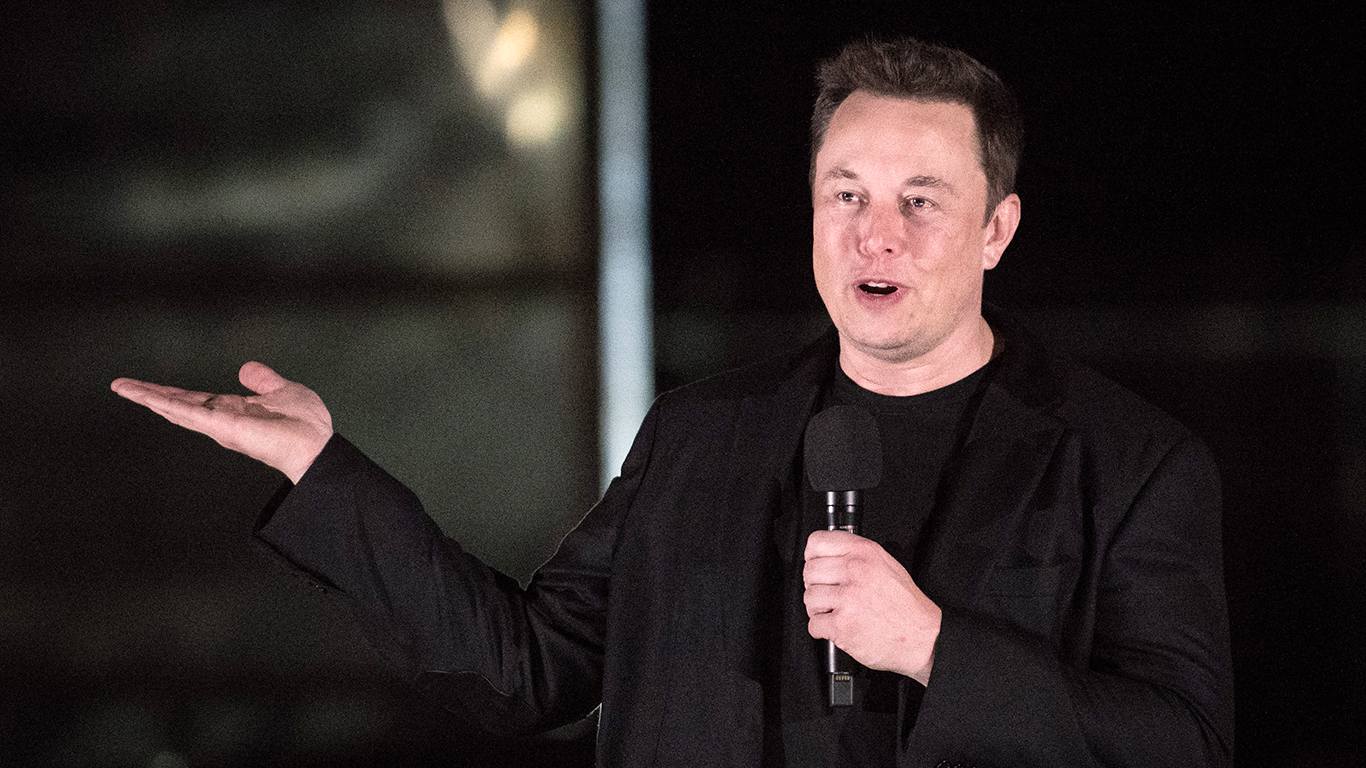
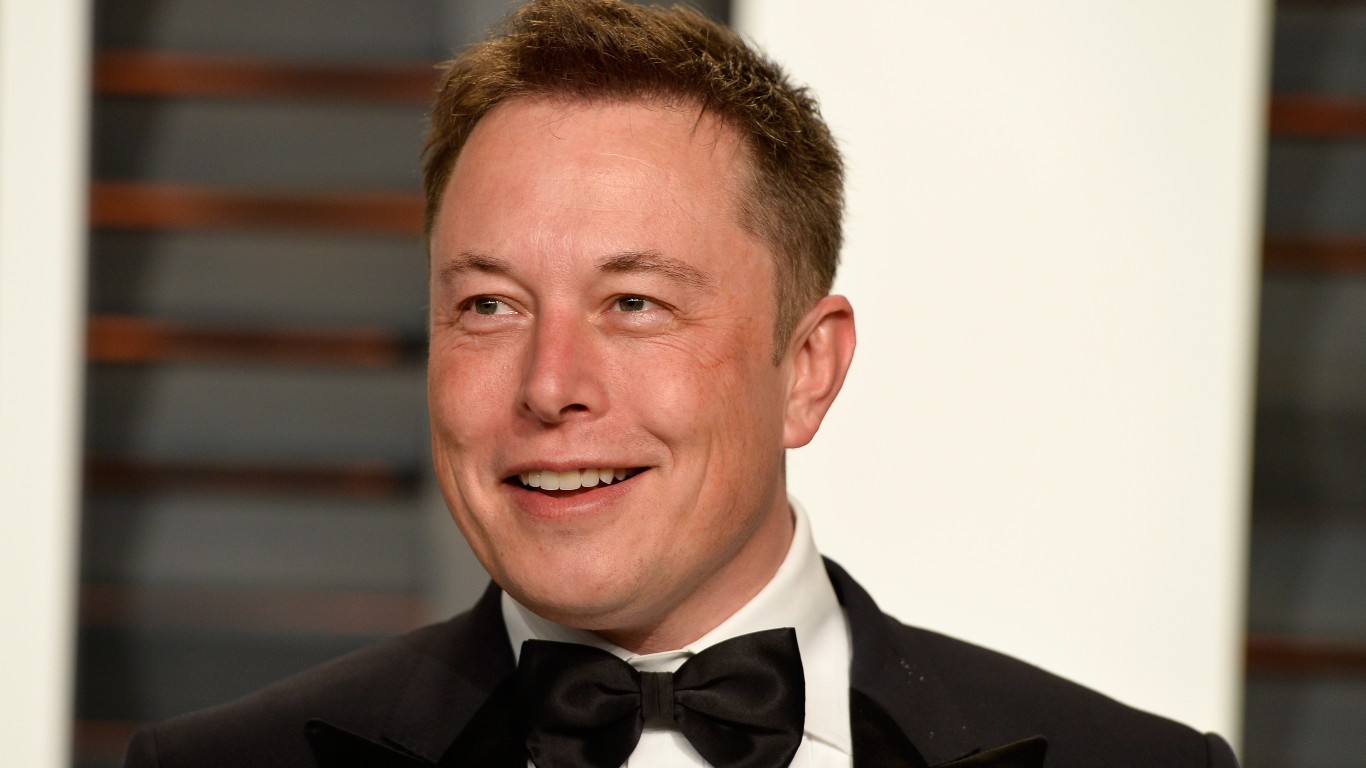
Elon Musk has never been known for operating on normal timelines. He once said, “I have a maniacal sense of urgency. So that maniacal sense of urgency projects through the rest of the company.” That mindset appears embedded throughout SpaceX’s strategy.
The company believes AI development is accelerating faster than the world’s ability to supply the computing resources needed to support it. According to Musk, all existing semiconductor fabrication facilities combined currently produce only about 2% of the chips SpaceX ultimately expects to require.
That startling figure helps explain why SpaceX is building Terafab, a manufacturing initiative designed to produce AI chips at a scale unavailable from existing suppliers.
It also explains why the company is pursuing plans for orbital data centers. Earth-bound facilities face limits involving power generation, cooling capacity, land availability, and permitting. SpaceX believes moving portions of AI infrastructure into space could remove some of those constraints.
Whether investors agree with that vision or not, one thing is clear: SpaceX sees a shortage of time, chips, and computing power. That creates urgency.
The Cursor Deal Accelerates the AI Push
The acquisition of Anysphere and its Cursor platform fits neatly into that strategy.
Cursor has become one of the fastest-growing AI-assisted software development tools in the market. By helping developers write, test, and deploy code more efficiently, it directly supports one of SpaceX’s biggest bottlenecks: building AI systems fast enough to keep pace with its ambitions.
Importantly, the acquisition was not a surprise. SpaceX’s S-1 filing specifically highlighted acquisitions as a key component of future growth, giving investors advance notice that management intended to use its newly public stock as strategic currency, starting with Cursor.
The $60 billion price tag may seem large, but relative to SpaceX’s $2.7 trillion valuation, it represents just a fraction of the company’s market value.
In other words, SpaceX can afford to make many more deals.
Investors Should Expect More Targets
SpaceX’s most pressing needs are chips, manufacturing capacity, training data, inference infrastructure, and AI software. Its most logical potential acquisition candidates align with those requirements.
| Potential Target | Strategic Benefit |
| Intel (NASDAQ:INTC) | Semiconductor design, fabs, packaging, manufacturing capacity |
| Tesla (NASDAQ:TSLA) | Real-world driving data, AI training datasets, robotics expertise |
| CoreWeave (NASDAQ:CRWV) | AI cloud infrastructure and GPU capacity |
| GlobalFoundries (NASDAQ:GFS) | Additional semiconductor manufacturing capacity |
Previously, I suggested that Intel and Tesla could eventually become trillion-dollar-scale acquisition targets for SpaceX. Intel would accelerate the Terafab vision overnight by providing fabrication expertise and manufacturing assets. Tesla would deliver one of the largest real-world AI datasets ever assembled while adding robotics and autonomous driving capabilities.
Granted, acquisitions of that scale would face regulatory, financial, and operational hurdles. Yet the Cursor deal demonstrates that SpaceX is willing to think bigger than most companies.
Key Takeaway
In short, the Anysphere acquisition looks less like a standalone transaction and more like the opening move in a broader strategy. SpaceX is building AI infrastructure, semiconductor manufacturing, orbital data centers, and software capabilities simultaneously. Management has repeatedly signaled that speed matters more than incremental progress.
Musk says to take your 10-year goal and figure out how to do it in a year — or less. “My timelines go one year, two year, and at year three it goes to infinity.”
For investors, the key insight is that SpaceX increasingly resembles an AI infrastructure company that happens to launch rockets, not a rocket company experimenting with AI. The Cursor acquisition accelerates that transition, and it would not be surprising to see additional deals announced in rapid succession.
SpaceX is in hurry-up mode, and Musk just stepped on the accelerator.
Contact [email protected] for any questions or corrections.
After two decades of patrolling the dark corners of suburbia as a police officer, Rich Duprey hung up his badge and gun to begin writing full time about stocks and investing. For the past 20 years, he’s been cruising the markets looking for companies to lock up as long-term holdings in a portfolio while writing extensively on the broad sectors of consumer goods, technology, and industrials. Because his experience isn’t from the typical financial analyst track, Rich is able to break down complex topics into understandable and useful action points for the average investor. His writings have appeared on The Motley Fool, InvestorPlace, Yahoo! Finance, Money Morning, and, of course, 24/7 Wall St. He has been featured in both U.S. and international publications, including MarketWatch, Financial Times, Forbes, Fast Company, and USA Today.