This Is The Clearest SpaceX Bull Case I’ve Heard. AI CEO Says SpaceX Is His Top 10-Year Buy & Hold Stock
SpaceX (NASDAQ:SPCX | SPCX Price Prediction) stock is trading near $197 midday Wednesday, easing 2.5% after a blistering debut week. The newly listed rocket and satellite giant priced its IPO on June 12, and has already climbed 25% from its…

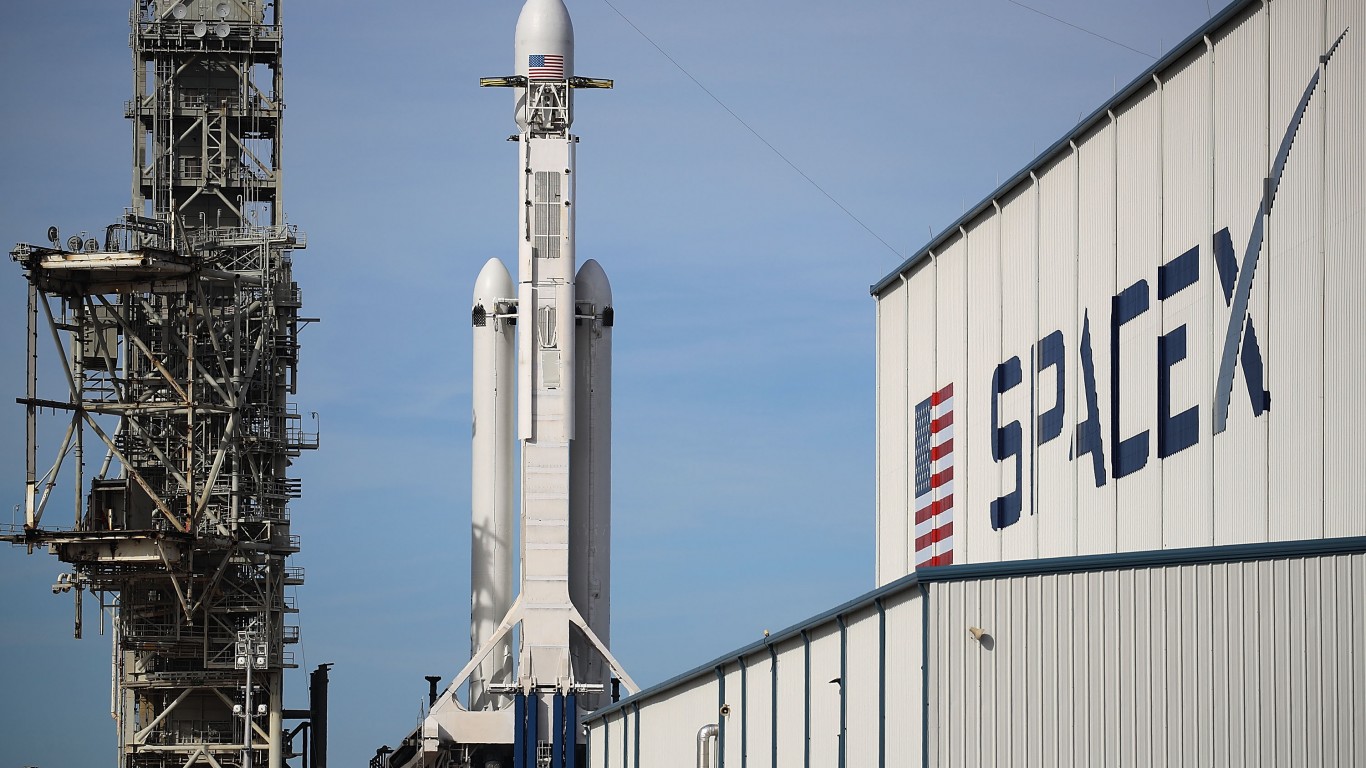
SpaceX (NASDAQ:SPCX | SPCX Price Prediction) stock is trading near $197 midday Wednesday, easing 2.5% after a blistering debut week. The newly listed rocket and satellite giant priced its IPO on June 12, and has already climbed 25% from its $160.95 opening price.
Not everyone is skeptical of the SpaceX stock rally. Perplexity CEO Aravind Srinivas, appearing on the 20VC podcast with Harry Stebbings, laid out what Podcast Alpha on X called “the clearest 10-year bull case” for SpaceX it had heard.
Srinivas argues that of the recent crop of marquee tech and AI listings, SpaceX is the rare name without a true peer. That framing, paired with Starlink’s behavior-changing reach, is fueling fresh debate among long-term holders of SpaceX stock.
SpaceX Stock’s Debut Week Sets the Stage
SPCX stock has been one of the most-watched listings of 2026’s mega IPO class, with Reddit’s r/WallStreetBets and r/stocks lighting up since the debut. One viral thread titled “SpaceX, $SPCX, is now trading above $220/share in overnight trading” drew 11,552 upvotes in a single day.
Sentiment has cooled since. The weekly Reddit sentiment score for SpaceX stock sits at 45.46, classified as neutral, and the cross-platform composite reads 51.04. SpaceX itself now carries a market cap near $1.48 trillion.
Why Srinivas Calls SpaceX “N-of-One”
Srinivas’s core argument is structural. Anthropic and OpenAI have direct competitors and significant overlap, he stated, while SpaceX has no real rival building physical, planetary-scale infrastructure. That’s the “N-of-one” framing.
The follow-on point reframes what SpaceX actually is. Its real business, Srinivas asserted, is a global telecom build-out, just twenty years later than the legacy carriers and without their stranded costs. Starlink is the wedge product, and once a household has it, behavior shifts permanently.
That “irreversible behavior change,” in his words, points to network lock-in and retention that rival the stickiest consumer subscriptions. Srinivas’s framework holds that physical infrastructure moats outlast AI model moats by a decade or more. When models commoditize, satellites in orbit do not.
The Skeptical Counterpoint
The bear side has a fair case, too. SpaceX stock is a brand-new public listing with only three trading days of price history as of mid-June, and the IPO has been characterized in Chinese financial media as a “high-risk valuation gamble” built around a sweeping space-and-AI narrative.
Reddit threads like “The math isn’t mathing on the SpaceX IPO” and “People are treating SpaceX like a guaranteed lottery ticket” capture genuine concerns about valuation, price discovery, and retail FOMO. A long-term thesis, however clearly articulated, isn’t a guarantee.
Prominent skeptics have likened the broader AI and infrastructure boom to the dot-com era. The composite prediction-market signal currently points to a near-term price reference of $164 on SPCX stock, below where shares trade now. Investors should consider keeping their position sizes modest given that volatility profile.
What to Watch Now
For investors weighing SpaceX shares, Srinivas’s 10-year framework matters more than this week’s price action. The real questions are whether Starlink’s subscriber growth keeps compounding and whether SpaceX can convert launch dominance into recurring telco-style cash flows.
Investors can watch for the first official quarterly disclosure as a public company, any Starlink subscriber milestones, and continued institutional positioning. Cathie Wood reportedly bought 3.3 million SpaceX shares on IPO day, an early signal worth tracking against the retail momentum still driving daily trading activity.
Contact [email protected] for any questions or corrections.
David Moadel is financial writer specializing in stocks, ETFs, options, precious metals, and Bitcoin. David has written well over 1,000 articles for leading online publications, helping investors understand markets, income strategies, and risk.His work has appeared in The Motley Fool, InvestorPlace, U.S. News & World Report, TipRanks, ValueWalk, Benzinga, Market Realist, TalkMarkets, Finmasters, 24/7 Wall St., and others.With a master’s degree in education, David has taught at the elementary, high school, and college levels. That teaching background shapes his writing style: clear, educational, and practical. David has also built a loyal social-media audience by providing trustworthy financial content on YouTube, X/Twitter, and StockTwits.