World’s Richest Man Now Worth 7 Warren Buffetts
Robert Frank’s CNBC Fast Money segment this week reframed billionaire scale in a way investors should sit with. After SpaceX‘s (Nasdaq: SPCX) trading debut, Elon Musk’s combined paper wealth pushed past $1.1 trillion, a figure so large that the most…

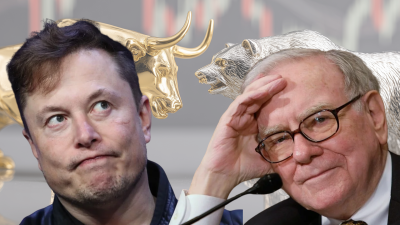
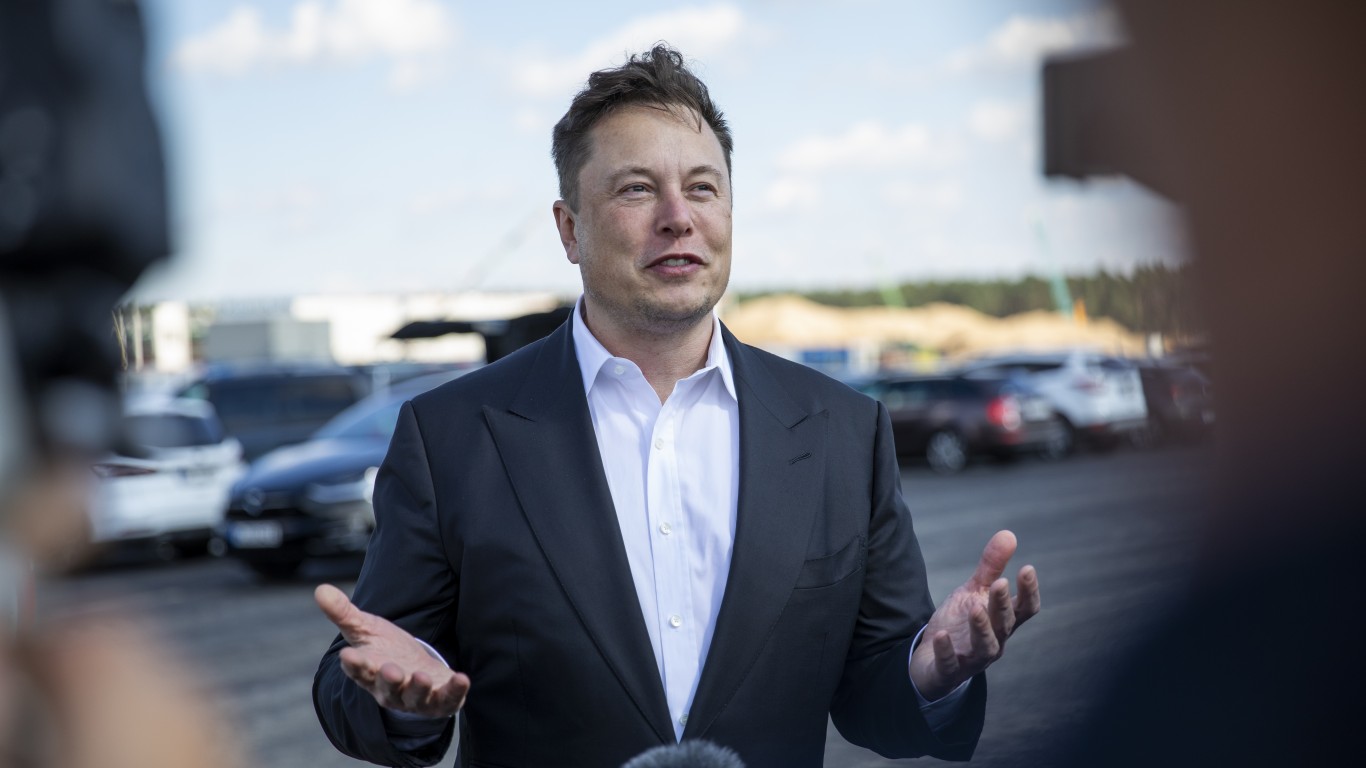
Robert Frank’s CNBC Fast Money segment this week reframed billionaire scale in a way investors should sit with. After SpaceX‘s (Nasdaq: SPCX) trading debut, Elon Musk’s combined paper wealth pushed past $1.1 trillion, a figure so large that the most useful unit of measure may no longer be dollars. It may be other billionaires.
By the close, Frank reported, Musk’s SpaceX stake was worth over $800 billion, and his Tesla holdings of around $280 billion brought the total to that $1.1 trillion mark. The IPO itself added more than $300 billion to his net worth in a single day, the equivalent of adding one Jeff Bezos.
One financial planet, seven Buffetts
Frank’s framing was unsparing. Musk is “not only richer than other billionaires, it’s like he’s on his own financial planet at this point,” with a fortune larger than the next five richest billionaires combined and bigger than the GDPs of Sweden, Ireland, or Taiwan. His net worth is more than three times that of the world’s second richest person, Larry Page. The headline math: if Musk spent $25 million a day for 100 years, he would still have billions left over.
For context on the seven-Buffetts comparison, Berkshire Hathaway (NYSE:BRK-B | BRK-B Price Prediction) carries a market cap of roughly $1.07 trillion, and Warren Buffett’s personal stake sits in the rough neighborhood of $150 billion. Berkshire trades at a trailing P/E of 15x with a book value of $505,559.44 per A-share. That is a wealth engine built on insurance float, BNSF, GEICO, and stakes in Apple, American Express, and Coca-Cola. It compounds slowly and deliberately.
The Tesla engine behind Musk’s wealth
Tesla (NASDAQ:TSLA) is the public-market piece of Musk’s fortune, and it trades on a wildly different valuation regime. Its market cap sits at roughly $1.54 trillion against a trailing P/E of 370x and a forward P/E of 204x. Q1 2026 results showed revenue of $22.39 billion, up 15.78% year over year, with EPS of $0.41 and automotive gross margin expanding to 21.1%. Tesla shares are down 10.02% year to date through June 16, even after a 22.95% one-year gain. Musk’s 10% Owner status on Form 4 filings anchors the Tesla half of his balance sheet.
The SpaceX side is where the leverage shows up. Frank noted that the $1.1 trillion figure excluded performance-based stock options tied to milestones like colonizing Mars, meaning the true upside, on paper, is larger still. The IPO also minted thousands of new employee millionaires, and CEO Gwynne Shotwell is now worth $2 billion.
Where Bezos fits in
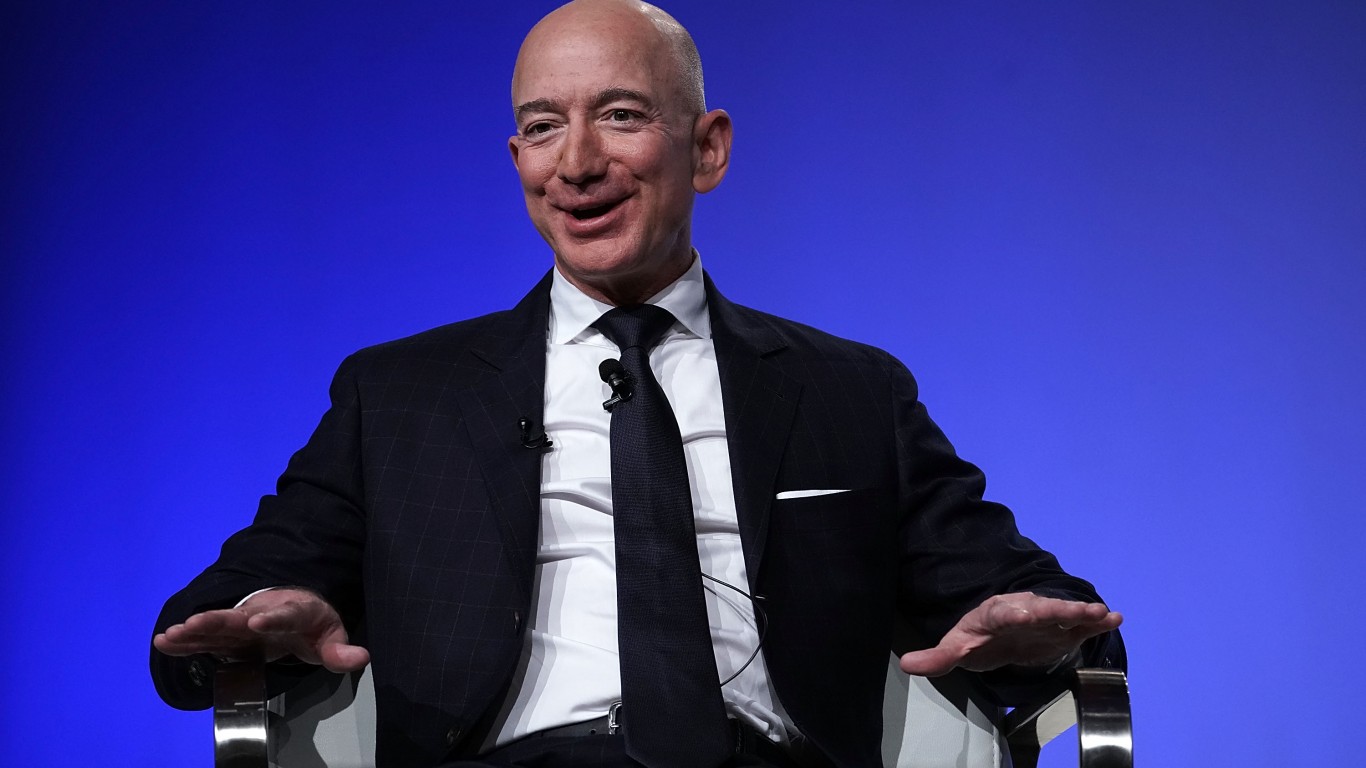
The Bezos comparison cuts deep because Amazon (NASDAQ:AMZN) is itself a $2.6 trillion machine. Its market cap stands at $2.65 trillion, with Q1 2026 revenue of $181.52 billion, AWS growing 28%, and operating income of $23.85 billion. Amazon is up 6.58% year to date. That a single trading day in SpaceX could conjure the equivalent of Bezos’s entire fortune speaks to how private-market price discovery, once unlocked by an IPO, can rewrite the wealth leaderboard overnight.
What investors should take from this
The seven-Buffetts headline is fun. The signal underneath is more useful. Musk’s net worth is a leveraged bet on two assets trading at premium multiples, with Tesla’s P/E of 370x sitting roughly 25 times Berkshire’s 15x. Buffett’s wealth grew over six decades through reinvested earnings at modest multiples. Musk’s grew in a single afternoon through a liquidity event on a story stock. Both models work. Only one is repeatable for ordinary investors.
Watch for SpaceX’s first quarterly disclosures as a public company, Tesla’s Robotaxi traction across Dallas and Houston, and whether Berkshire’s $520.33 analyst target gets revised as the cash pile deploys. The wealth gap will close or widen on those data points.
Contact [email protected] for any questions or corrections.
I've spent more than 15 years inside enterprise software, working alongside the finance, sales operations, and HR leaders who run the revenue engines at some of the largest tech companies in the country.
My day job is helping enterprise executives make smarter decisions about retention, compensation, and growth. These are the same operational levers that show up in every earnings report investors actually read. That perspective shapes my writing for 24/7 Wall St.
The headline numbers are easy. The interesting stuff is underneath: how companies make money, what executives are worried about, and what any of it means for the person checking their 401(k) on a Sunday afternoon. I write about personal finance and business as someone who has spent her career inside the rooms where these decisions get made.