Elon Musk Just Made More Money in 6.5 Hours Than Warren Buffett Made in His Entire Life.
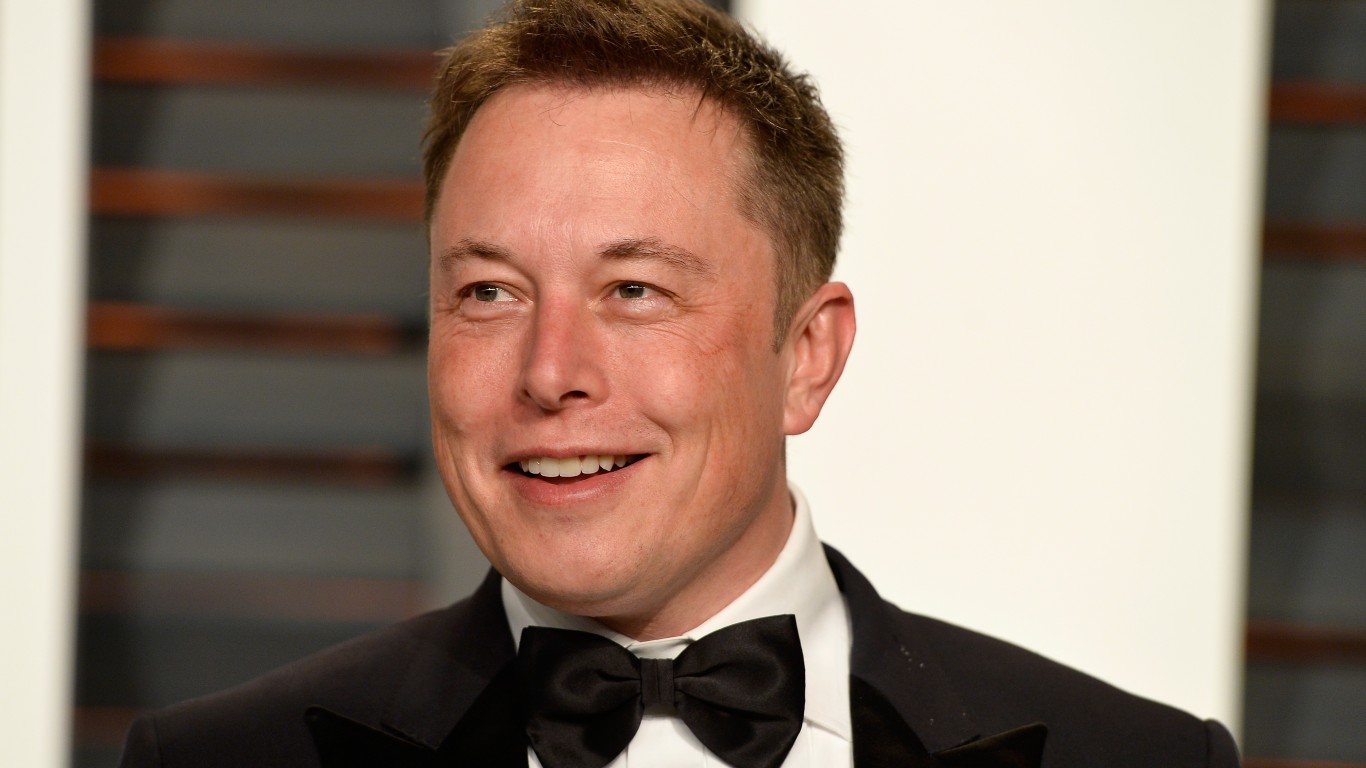
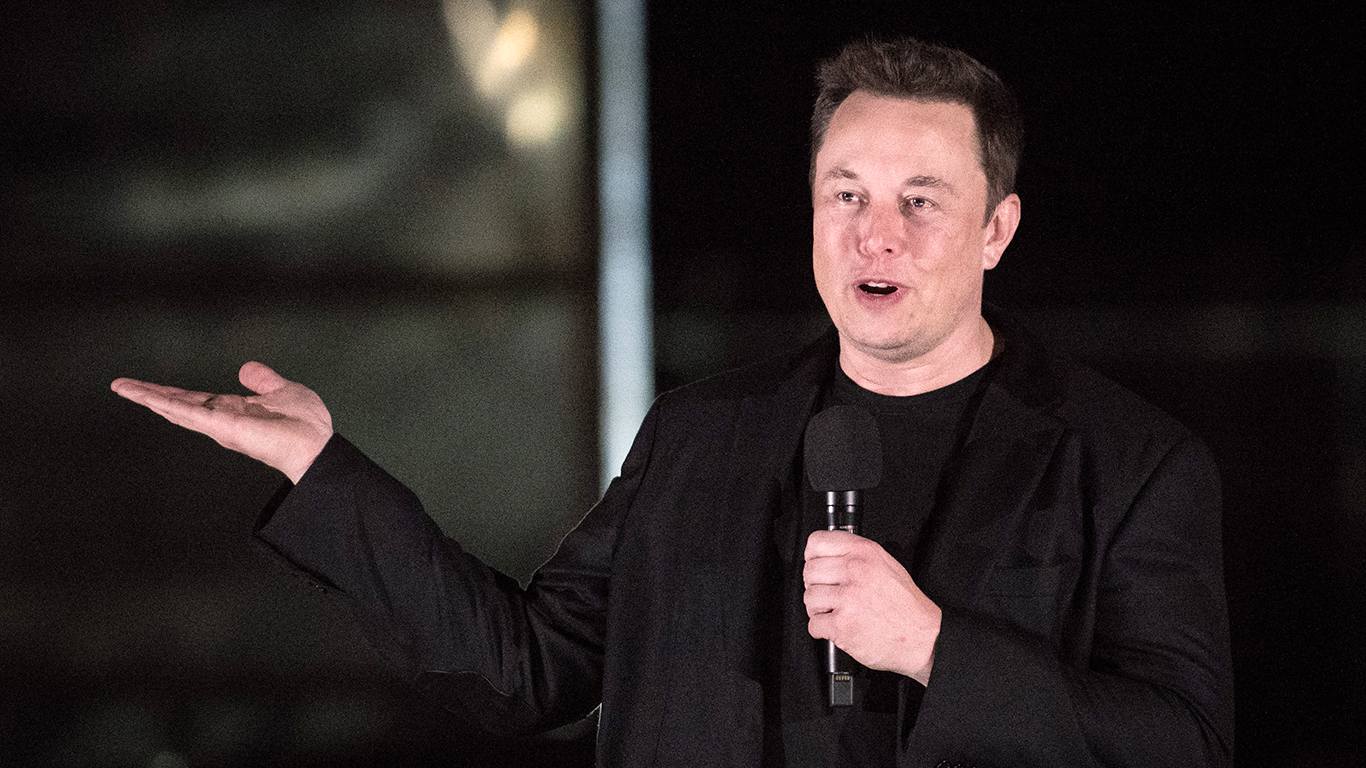
Yesterday handed Elon Musk one of the largest single-day wealth gains in recorded financial history. SpaceX shares ripped from $160.95 to $192.50, and Forbes’ real-time billionaires tracker put Musk’s one-day paper gain at $164.8 billion. Warren Buffett, who had his…


Yesterday handed Elon Musk one of the largest single-day wealth gains in recorded financial history. SpaceX shares ripped from $160.95 to $192.50, and Forbes’ real-time billionaires tracker put Musk’s one-day paper gain at $164.8 billion. Warren Buffett, who had his own “good day” with an estimated $2 billion gain, finished the session with a net worth of $146.4 billion.
Read that again. In a single 6.5-hour trading session, Musk added more dollars to his net worth than Buffett has assembled in roughly seven decades of compounding at Berkshire Hathaway. You can verify the live figures on Forbes’ real-time billionaires page.
Why SpaceX, Not Tesla, Did the Heavy Lifting
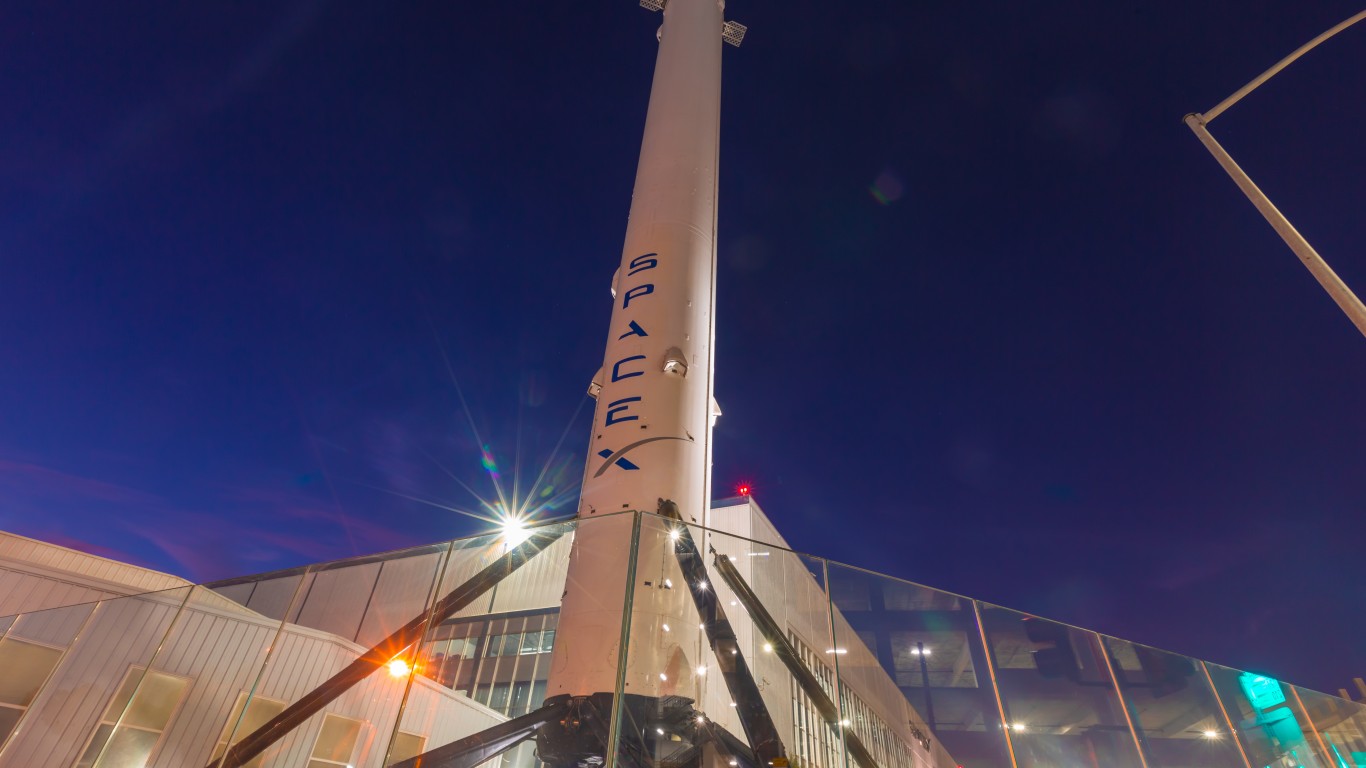
SpaceX drove the move. Shares of Tesla (NASDAQ:TSLA | TSLA Price Prediction) gained slightly less than 1% in yesterday’s trading, but the move affected less than $2 billion in Musk’s net worth. The wealth move came from SpaceX, the newly public rocket and connectivity company whose stock Musk dominates through a dual-class structure.
According to SpaceX’s S-1, Musk’s holdings include 842,091,670 shares of Class A common stock and 3,788,654,145 shares of Class B common stock held through the Elon Musk Revocable Trust, plus restricted Class B grants and trust holdings that push executive officer ownership to roughly 86.0% of total voting power. Each Class B share carries ten votes versus one for Class A, which is why SpaceX qualifies as a “controlled company” under NASDAQ rules.
The Grants That Could Make Yesterday Look Small
Yesterday’s move is just the opening act. SpaceX disclosed two performance grants in its prospectus that could dwarf Musk’s current position if the company hits its long-term targets.
The first, granted in January 2026, awards Musk 1,000 million performance-based restricted shares of Class B common stock. Vesting requires two conditions: 15 equal market-capitalization milestone tranches ranging from $500 billion to $7.5 trillion, with each tranche representing $500 billion in additional valuation, AND the establishment of a permanent human colony on Mars with at least one million inhabitants. The grant-date fair value was set at $90.40 to $95.92 per share for each tranche.
The second grant, issued in March 2026 to replace Musk’s prior xAI award, covers 302.1 million performance-based restricted Class B shares. These vest upon 12 market-cap tranches ranging from $1.065 trillion to $6.565 trillion (again, $500 billion increments) plus the completion of non-Earth-based data centers capable of delivering 100 terawatts of compute per year. You can read the full disclosure in the company’s S-1 filing on SEC.gov.
What Has to Go Right
The economics here are staggering. To unlock the full 1 billion-share package, SpaceX would need to grow to a $7.5 trillion market value, roughly 50% larger than NVIDIA‘s (NASDAQ:NVDA)’s current scale, while physically transporting a million people to Mars. The second grant’s terminal milestone of $6.565 trillion in market cap is contingent on orbital data centers that don’t yet exist.
SpaceX has scale behind the ambition. The company reported 2025 consolidated revenue of $18.67 billionand Adjusted EBITDA of $6,58 billion, with the Connectivity segment alone generating $7.17 billion in Segment Adjusted EBITDA last year. Musk himself framed the IPO moment plainly: “It is certainly hard to believe that little company that started in a warehouse in El Segundo is now going public.”
Wall Street believes the company can accelerate massive in the coming years. That will likely come from a combination of terrestrial data centesr (SpaceX recently struck a major deal with Google to rent xAI capacity) and the launch of space data centers in the coming years.
The Forward Read
The takeaway for investors is straightforward. Musk’s net worth is now tethered to a public SpaceX float whose voting power he controls, and his upside is structurally tied to milestones that read like science fiction. Keep an eye on Starship cadence and Starlink subscriber growth.
The company will need Starship to be very successful to contribute to results in the coming years. As we noted earlier, SpaceX will likely suddenly see terrestrial data centers become its largest revenue contributor in the coming quarters. However, the long-term story for both Musk and shareholders is the success of Starship. If SpaceX can create a reusable launch vehicle with superior economics, that not only unlocks his bonuses tied to establishing a colony on Mars, but it also unlocks the economics of space-based data centers as well.
Contact [email protected] for any questions or corrections.
Eric Bleeker, CFA has been investing for more than 20 years. He began his career working at Microsoft before joining Motley Fool, one of the largest publishers of financial research. In his 15 years at Motley Fool Eric served as the General Manager for Fool.com and led coverage in the Technology & Telecom sector. In addition, he was a featured columnist and has hosted dozens of investing seminars attended by more than a million total investors. Eric has more than 1,000 financial bylines to his name and has been featured in The Wall Street Journal, CNBC, Fox Business, and many other leading publications. He is currently focused on artificial intelligence investing and is a CFA Charterholoder.