COPX vs CPER: Miners or Futures for Copper Exposure?
Both COPX and CPER promise copper exposure, but what sits inside each fund creates a completely different risk profile, tax burden, and return potential when the metal moves.


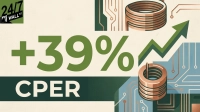
Investors who want to ride a copper bull market face a deceptively simple choice: buy the miners through Global X Copper Miners ETF (NYSEARCA:COPX) or buy the metal itself through the United States Copper Index Fund (NYSEARCA:CPER). Both promise copper exposure. Only one of them actually delivered it over the past year, and the gap is wide: COPX returned 104.46% over the trailing twelve months while CPER returned 28.04%. That spread is the entire article.
What Each Fund Is Actually Betting On
CPER is a pure price bet. It holds copper futures on COMEX and rolls them according to the SummerHaven Copper Index methodology, which selects contracts along the curve to limit the bleed from contango. When the curve cooperates, CPER tracks spot copper closely. When front-month futures trade in contango, roll yield quietly erodes returns even if copper prices stay flat.
COPX is a leveraged bet on the same metal, expressed through equity. Miners carry fixed costs, so every dollar copper rises above their breakeven flows disproportionately to earnings. That is why COPX top holdings like First Quantum Minerals at 11%, Lundin Mining at 10.3%, Freeport-McMoRan at 9.9%, Teck Resources at 9.9%, and Southern Copper at 9.7% behave like call options on copper prices. They also carry baggage CPER does not: jurisdiction risk in Chile, Peru, and Zambia, labor disputes, cost inflation, and broad equity-market beta.
Where the Difference Shows Up
Look at the multi-year math. Over five years, COPX gained 177.45% against CPER’s 52.39%. Year to date in 2026, COPX is up 19.07% while CPER has added 11.16%. That is the operating-leverage thesis playing out in real time as copper rallies on supply tightness and electrification demand.
The reverse is also true. When copper sold off in 2022 alongside the rate shock, mining equities took a far deeper drawdown than futures because equity multiples compressed while copper prices merely cooled. CPER falls roughly with copper. COPX falls with copper and with the equity market simultaneously.
The Practical Comparison
| Feature | COPX | CPER |
|---|---|---|
| Exposure | Copper mining equities | COMEX copper futures |
| Expense ratio | 0.79% | 1.06% |
| Tax form | 1099 | K-1 (partnership) |
| Dividends | Yes (miner payouts) | None |
| Net assets | Multi-billion | $456.4 million |
| One-year return | 104.46% | 28.04% |
The K-1 matters. CPER holders receive a partnership tax form every spring, which complicates filing and can be a real headache in taxable accounts. COPX, as a 1099 equity ETF, slots into a brokerage account without paperwork drama.
The Verdict
For an investor expressing a bullish copper view, COPX is the stronger vehicle. It is cheaper, pays dividends, avoids the K-1, and captures the operating leverage that turns a copper rally into outsized equity returns. The cost is correlation with broader equity markets and company-specific risk from miners operating in volatile jurisdictions.
CPER fits a narrower use case: an investor who wants clean, undiluted exposure to copper prices for hedging or tactical positioning, and who is willing to accept higher fees, roll-yield drag in contango markets, and K-1 paperwork in exchange for separation from equity-market noise. If copper rallies while stocks sell off, that separation becomes valuable. Until then, miners are doing the heavy lifting.
Contact [email protected] for any questions or corrections.
After 15 years on Wall Street with 7 of them as Director of Corporate and Municipal Bond Trading for a NYSE member firm, I started my own project and corporate finance consultancy. Much of the work involves writing business plans, presentations, white papers and marketing materials for companies seeking budgetary allocations for spinoffs and new initiatives or for raising capital for expansion or startup companies and entrepreneurs. On financial topics, I have been published under my own byline at The Motley Fool, 247wallst.com, DealFlow Events’ Healthcare Services Investment Newsletter and The Microcap Newsletter, among others. Additionally, I have done freelance ghostwriting writing and editing for several financial websites, such as Seeking Alpha and Shmoop Financial. I have also written and been published on a variety of other topics from music, audiophile sound and film to musical instrument history, martial arts, and current events. Publications include Copper Magazine, Fidelity (Germany), Blasting News, Inside Kung-Fu, and other periodicals.