Did Elon Musk Just Hint a SpaceX-Tesla Merger Is Imminent?
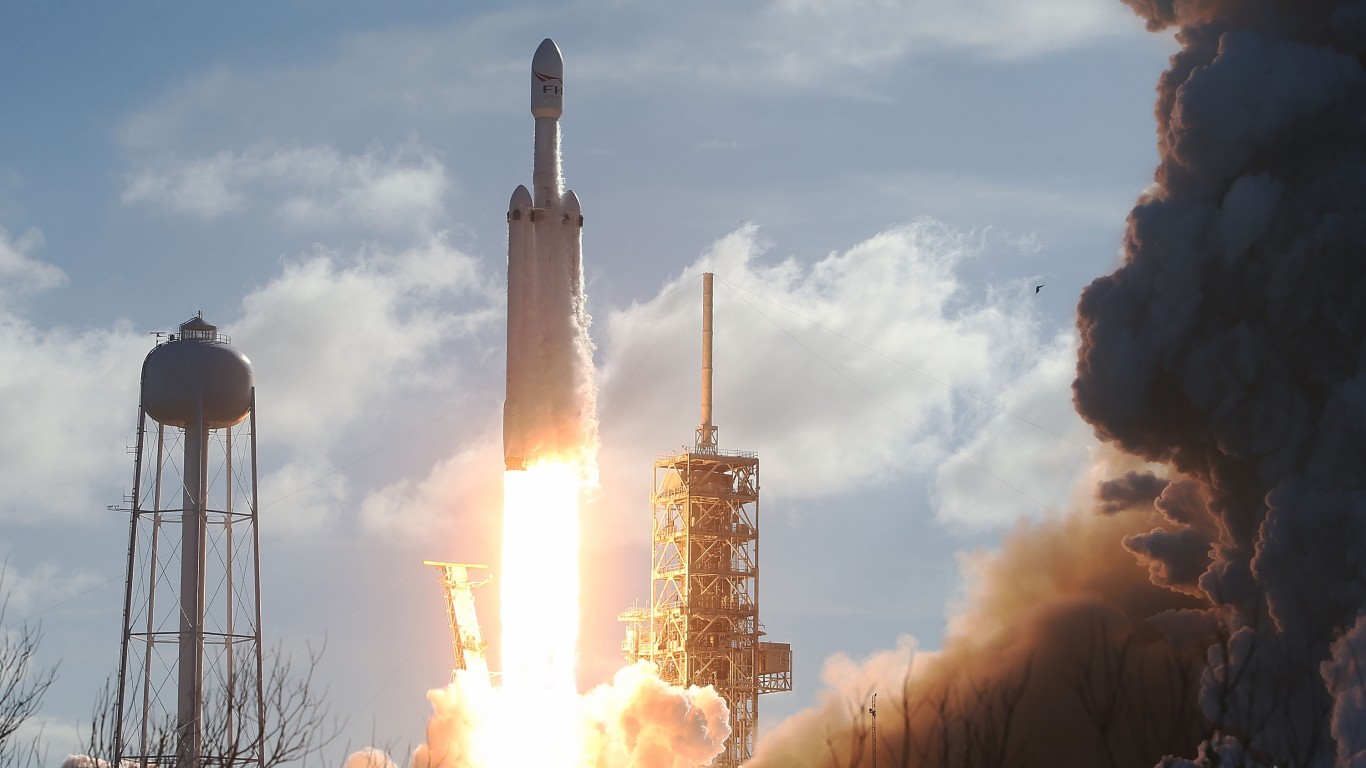
The market’s attention has been fixed on SpaceX‘s (NASDAQ:SPCX | SPCX Price Prediction) historic public debut and the company’s rapid climb toward a valuation exceeding $2 trillion. Yet the bigger story may not be the IPO itself. It may be…

The market’s attention has been fixed on SpaceX‘s (NASDAQ:SPCX | SPCX Price Prediction) historic public debut and the company’s rapid climb toward a valuation exceeding $2 trillion. Yet the bigger story may not be the IPO itself. It may be what Elon Musk does next.
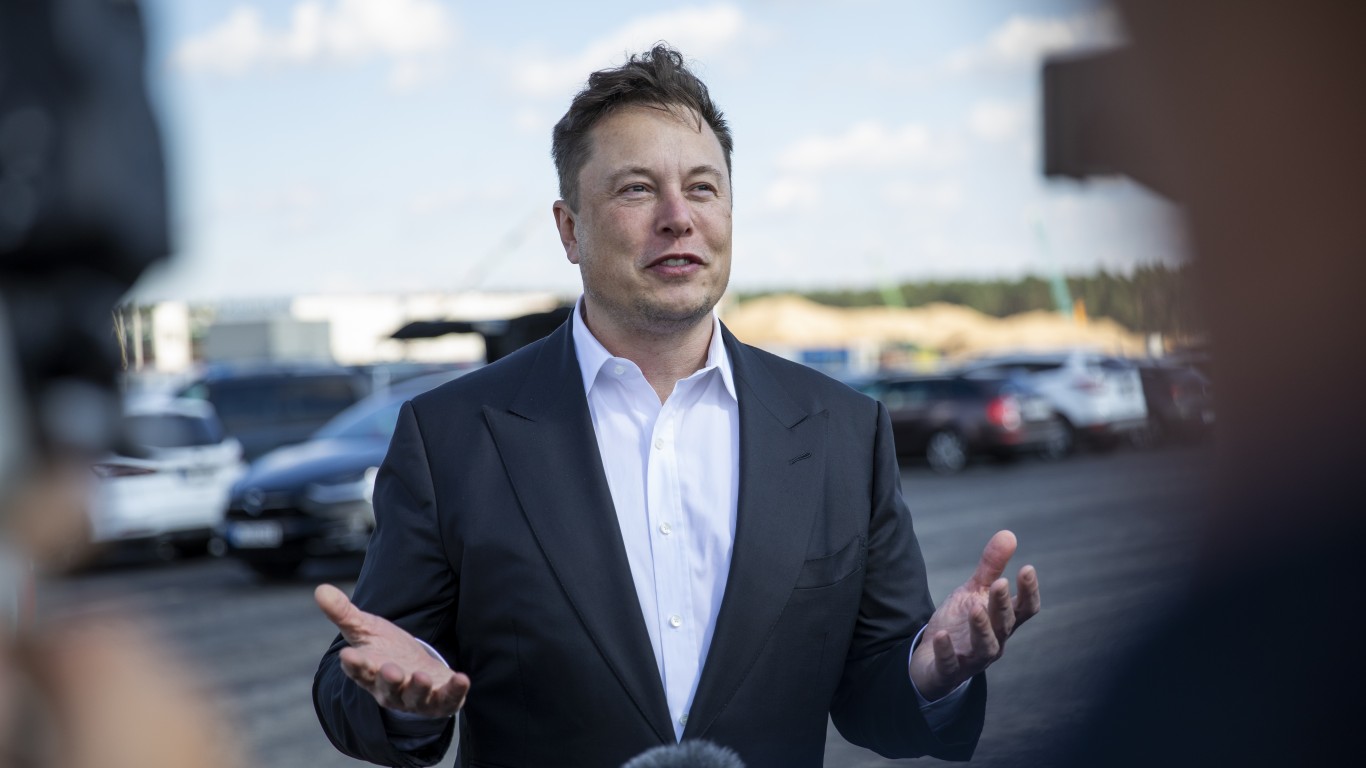
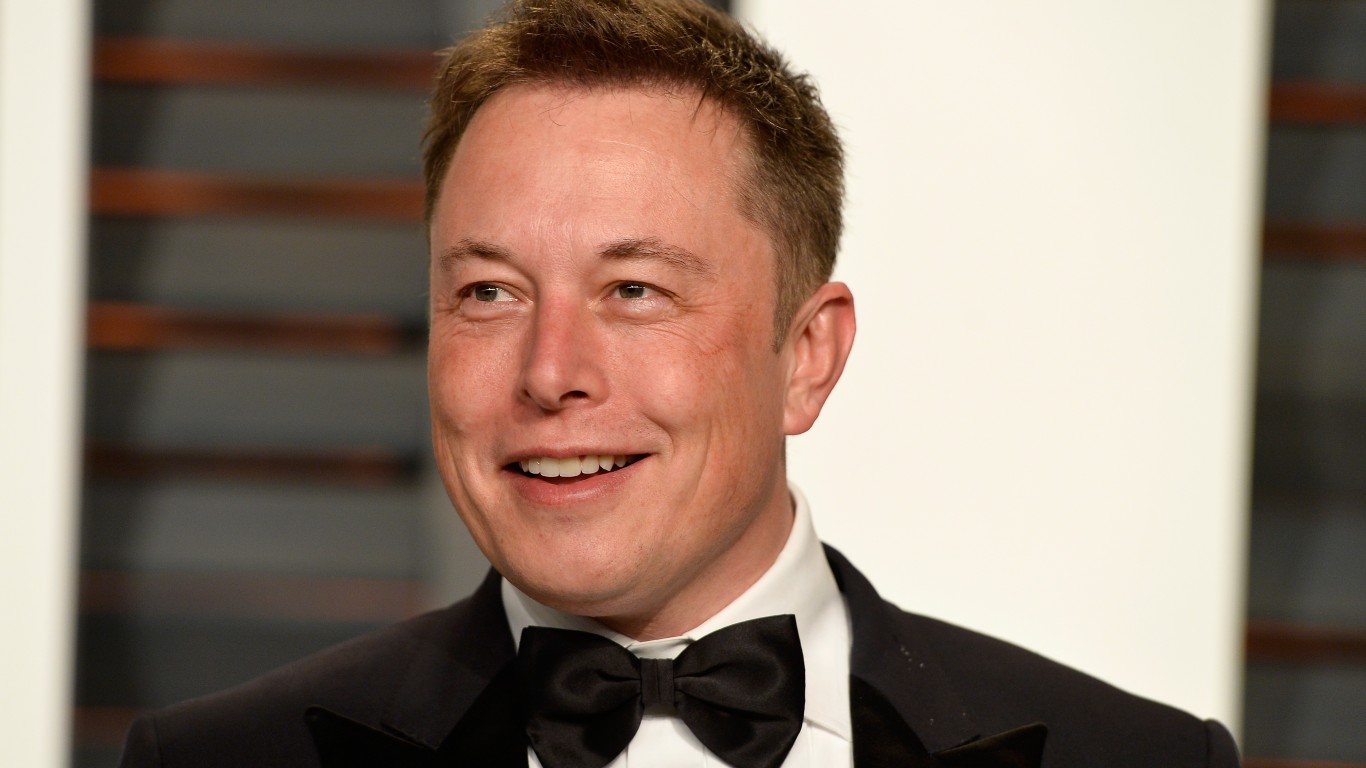
Over the past several years, Musk has increasingly consolidated businesses that share technology, talent, and infrastructure. First came the combination of Twitter and X. Then xAI was folded into Musk’s broader ecosystem and ultimately became part of SpaceX. Now investors are watching another development closely: Musk’s push to regain near-blocking control of Tesla (NASDAQ:TSLA).
When viewed alongside the growing overlap between Tesla and SpaceX, it raises a possibility that once seemed far-fetched — a merger between Musk’s two largest companies.
Musk Is Rebuilding His Influence at Tesla
Control matters to Musk. Last Wednesday, Musk revealed his voting stake in Tesla had risen to nearly 20%. He exercised the entire allotment of almost 304 million options granted to him as part of his 2018 compensation. It brings his ownership stake in Tesla to 19.9%, moving closer to the roughly 25% level he has previously said would provide enough influence to pursue Tesla’s AI ambitions without risking shareholder opposition. A separate filing showed the options were exercised at a price of $23.34 per share. Telsa stock closed at $404.66 the day before the filing.
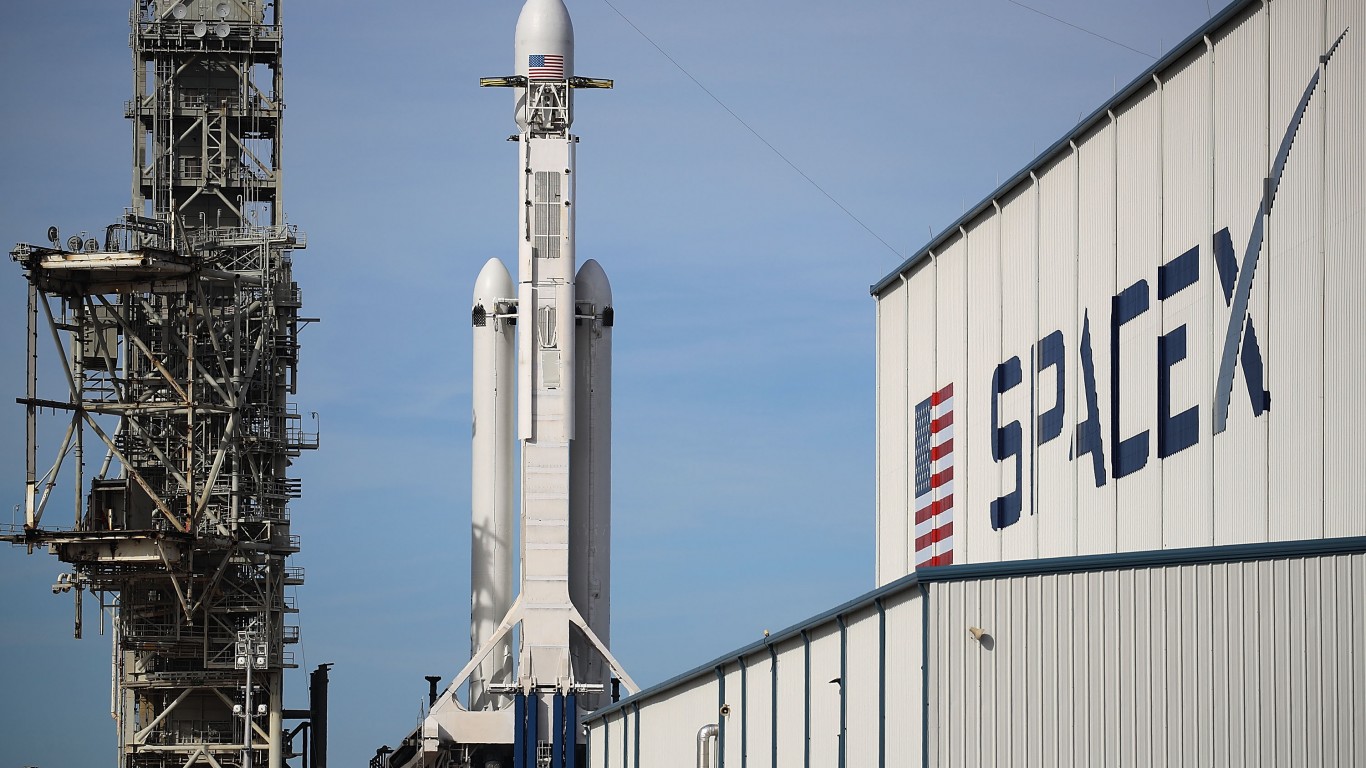
The timing is notable. SpaceX completed the largest IPO in U.S. history on June 12, raising $75 billion before underwriters expanded the offering to $85.7 billion. The company now has a roughly $2.44 trillion valuation.
At the same time, Tesla remains one of the world’s largest industrial and AI-focused companies. As Musk gains greater control over the EV maker while simultaneously commanding a newly public $2 trillion SpaceX, investors are right to wonder whether these companies are headed toward a common destination.
The Strategic Case Is Growing Stronger
A merger would not simply combine two large companies; it would unite businesses that increasingly depend on the same resources.
Tesla’s autonomous driving systems require enormous AI computing power. SpaceX’s Starlink network and AI initiatives require the same. Tesla is developing Optimus humanoid robots while SpaceX relies heavily on advanced manufacturing and automation. Both companies consume large quantities of batteries, semiconductors, and computing infrastructure.
The overlap continues to expand. According to SpaceX’s recent SEC filings, the company held approximately $100.8 billion in cash and cash equivalents as of June 19, giving it financial flexibility few corporations possess.
Musk has also demonstrated a clear preference for consolidation. The merger of xAI into SpaceX created a combined platform spanning artificial intelligence, communications, manufacturing, and aerospace. A Tesla transaction would fit that pattern.
Granted, a merger involving companies worth several trillion dollars would face intense regulatory scrutiny and shareholder review. The logistics alone would be daunting.
That said, investors should not dismiss the possibility simply because of the scale.
Why Investors Should Pay Attention
The strongest evidence may not be any single statement Musk has made, but rather the direction of travel. Musk has repeatedly described AI infrastructure as the defining challenge of the next decade. He has also shown little interest in keeping related businesses separated when integration could accelerate growth.
A combined SpaceX-Tesla entity would give shareholders exposure to:
- Electric vehicles
- Energy storage
- Autonomous driving
- Humanoid robotics
- Satellite communications
- Artificial intelligence
- Space transportation
Few companies could match that breadth.
Key Takeaway
In short, no merger has been announced, and investors should treat any near-term combination as speculation rather than certainty.
However, the pieces are falling into place. Musk’s growing voting control at Tesla, SpaceX’s newly public $2.4 trillion platform, and the increasing overlap between both businesses suggest a merger is no longer a fringe idea.
Investors should recognize that Musk appears to be building an integrated technology empire rather than a collection of standalone companies. The market may still be underestimating what that ultimately looks like.
Contact [email protected] for any questions or corrections.
After two decades of patrolling the dark corners of suburbia as a police officer, Rich Duprey hung up his badge and gun to begin writing full time about stocks and investing. For the past 20 years, he’s been cruising the markets looking for companies to lock up as long-term holdings in a portfolio while writing extensively on the broad sectors of consumer goods, technology, and industrials. Because his experience isn’t from the typical financial analyst track, Rich is able to break down complex topics into understandable and useful action points for the average investor. His writings have appeared on The Motley Fool, InvestorPlace, Yahoo! Finance, Money Morning, and, of course, 24/7 Wall St. He has been featured in both U.S. and international publications, including MarketWatch, Financial Times, Forbes, Fast Company, and USA Today.