Skip Broad Latin America. This Single-Country Fund Is Where the Reform Rally Is
The iShares Latin America 40 ETF (NYSEARCA:ILF) is the default vehicle for U.S. investors who want regional exposure without having to set country weights themselves. ILF tracks the S&P Latin America 40 Index, holds 52 companies, and manages $4.14 billion…

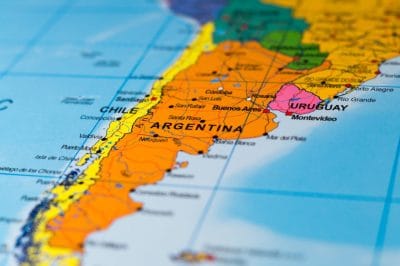
The iShares Latin America 40 ETF (NYSEARCA:ILF) is the default vehicle for U.S. investors who want regional exposure without having to set country weights themselves. ILF tracks the S&P Latin America 40 Index, holds 52 companies, and manages $4.14 billion at a 0.47% expense ratio. The fund has performed well recently, returning 32.44% over the past year. The problem for investors buying ILF specifically to ride Argentina’s reform story is that the fund barely touches it. The single-country alternative, Global X MSCI Argentina ETF (NYSEARCA:ARGT), is where that investment thesis actually lives.
What ILF Actually Owns
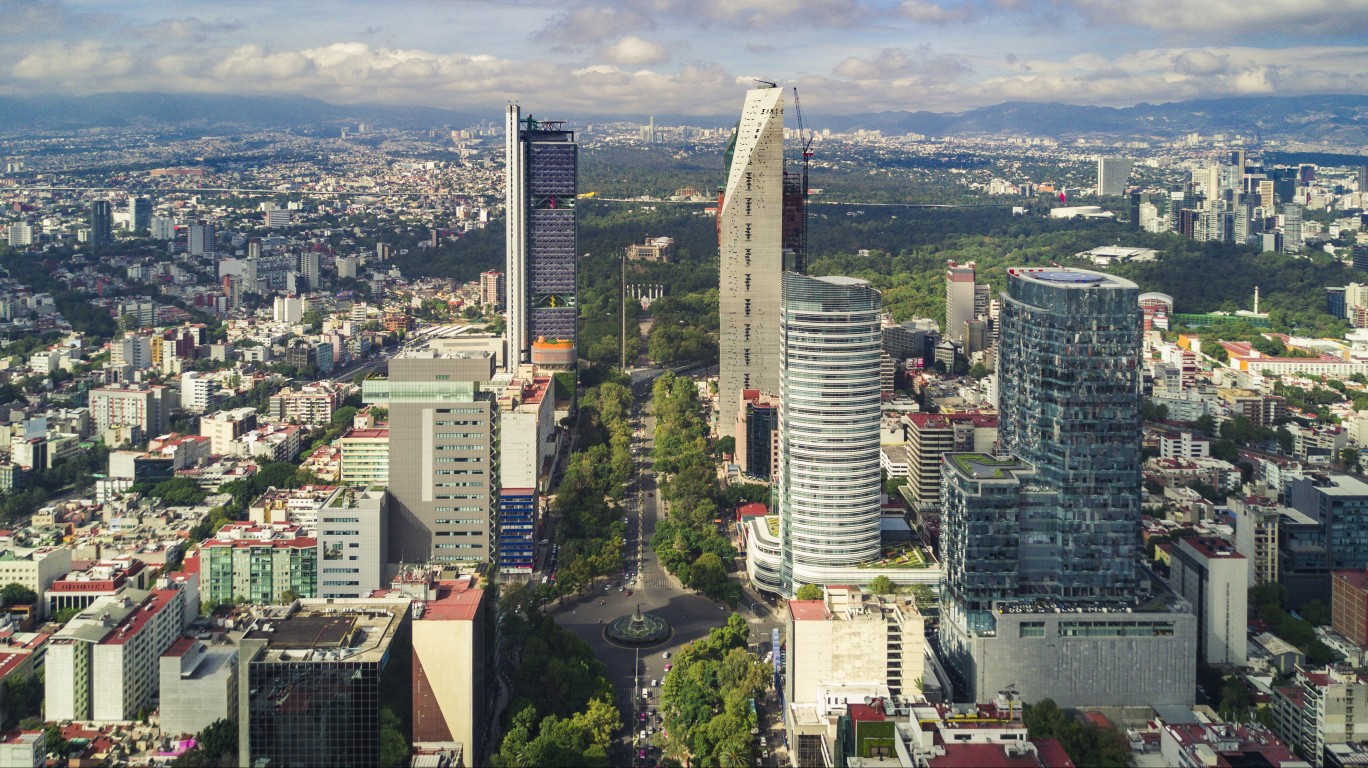
The iShares Latin America 40 ETF is a broad regional fund, but its portfolio is concentrated heavily in Brazil and Mexico. Country weights from the March 2026 filing put Brazil at roughly 67% of the portfolio and Mexico at about 26%. The fund’s largest holdings include Nu Holdings, Vale, Itaú Unibanco, Grupo México, and Petrobras, giving investors exposure to major financial, mining, energy, and consumer companies across Latin America.
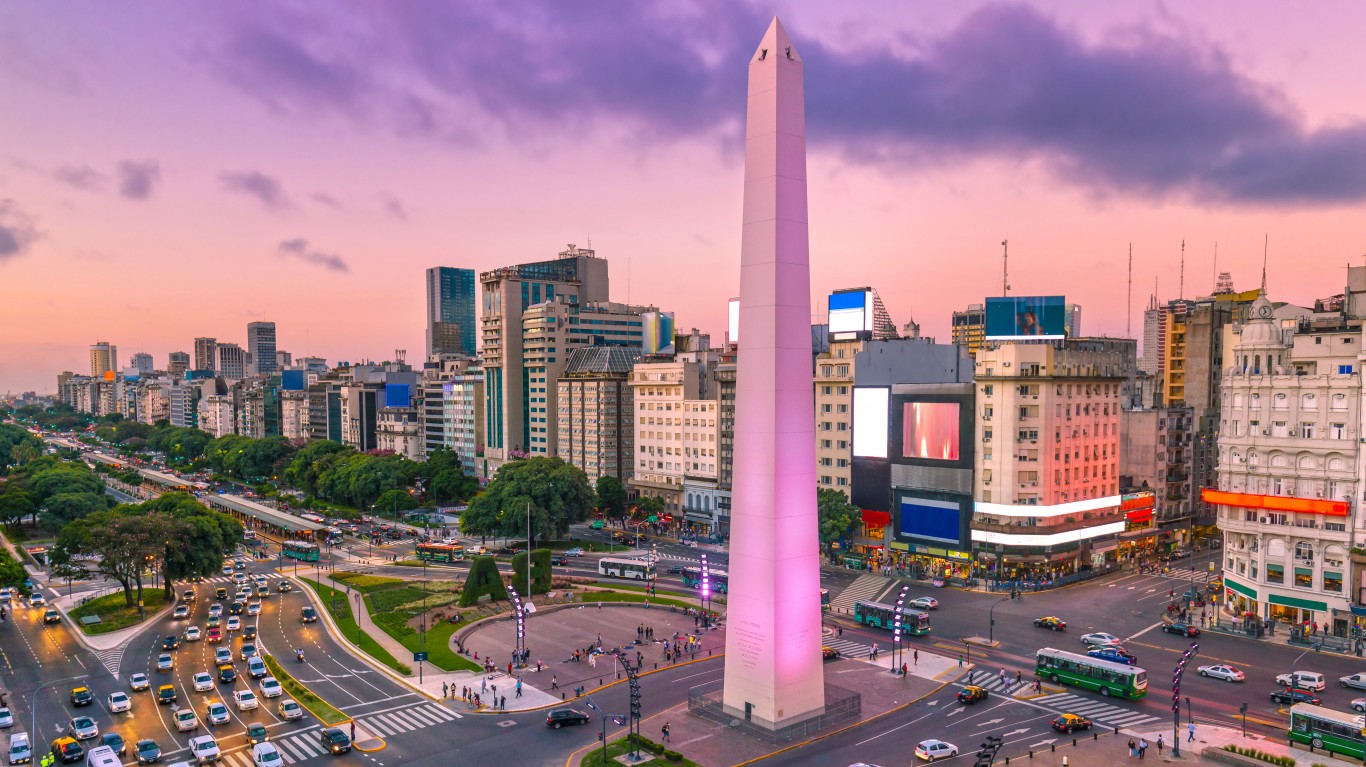
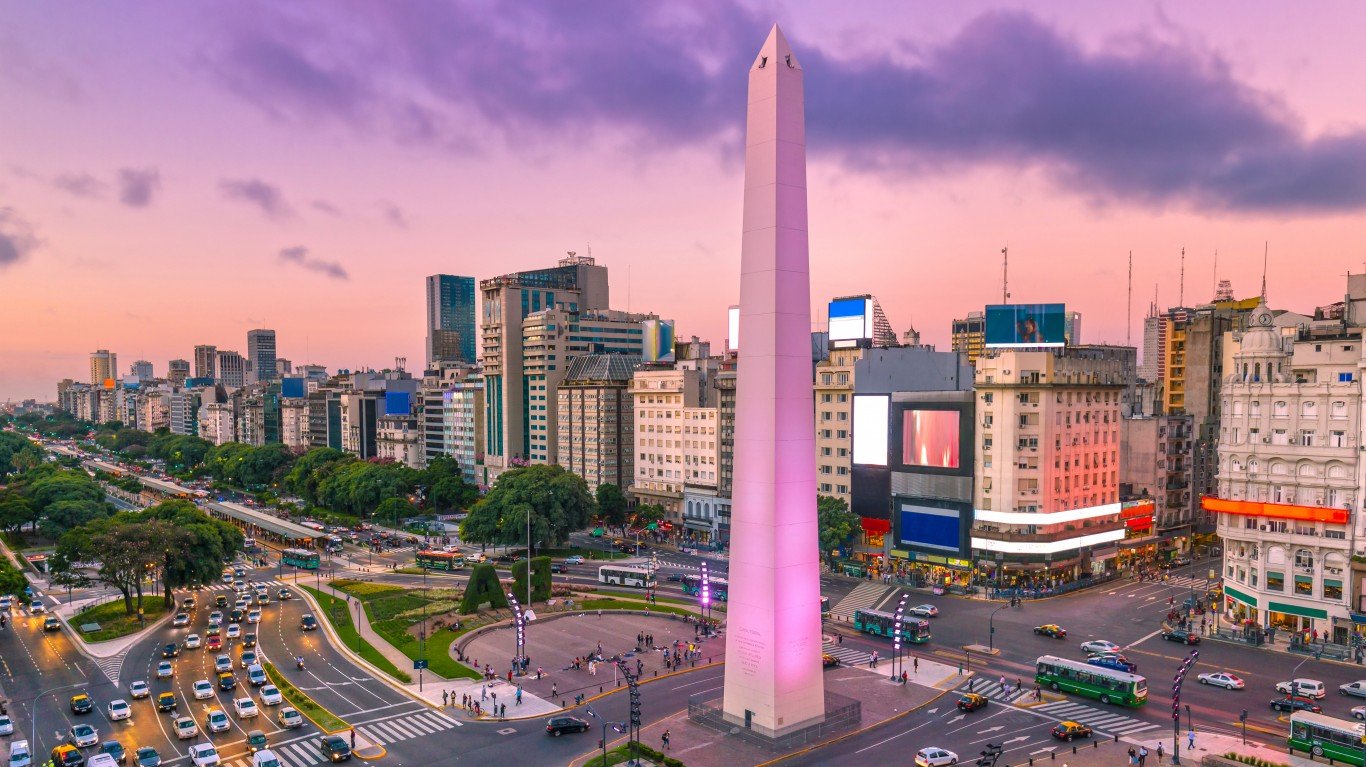
Argentina’s direct weight in the portfolio is essentially zero, with no meaningful holdings tied to the companies driving the country’s reform story. Investors buying the fund because of Argentina’s fiscal overhaul, declining inflation, or a potential capital market recovery are not getting direct exposure to those trends.
The fund has performed well due to its broader exposure to Latin America, particularly through Brazil and Mexico. Its valuation profile, including a price-to-earnings ratio near 11 and a dividend yield above 3%, may appeal to investors seeking value and income. Those characteristics do not make the fund an effective substitute for investors specifically targeting Argentina’s economic transformation.
ARGT Provides the Direct Argentina Exposure
The Global X MSCI Argentina ETF offers the concentrated exposure that investors seeking an Argentina recovery trade are looking for. The fund focuses on companies most closely connected to the country’s economic reforms, including technology, energy, financial services, and natural resources.
MercadoLibre is the largest holding in the portfolio, accounting for 20.34% of net assets. Energy companies tied to Argentina’s Vaca Muerta development make up another significant portion of the fund, including YPF at 9.99%, Vista Energy at 7.69%, Pampa Energía at 4.63%, and Transportadora de Gas del Sur at 4.43%. Financial companies such as Galicia, Banco Macro, and BBVA Argentina provide exposure to a potential banking recovery as economic conditions normalize. Lithium and mining companies add additional exposure to Argentina’s natural resource opportunities.
This concentration creates a very different investment profile from a diversified Latin America fund. Investors gain direct exposure to Argentina’s reform cycle, but they also take on more country-specific risk tied to political decisions, currency changes, and the pace of economic recovery.
The Historical Payoff Has Been Strong, But Momentum Has Shifted
The long-term performance explains why Argentina-focused investors have been rewarded. The Global X MSCI Argentina ETF has gained 226.73% over five years and 360.46% over ten years. Over the same periods, the iShares Latin America 40 ETF returned 58.84% and 107.67%.
The difference reflects the market’s optimism around Argentina’s reform agenda and the potential for a significant economic turnaround. Investors who entered before the broader market recognized the opportunity and benefited from a major valuation re-rating. Recent performance shows a different trend. Year to date, the Argentina-focused fund has gained 1.62% while the broader Latin America fund has returned 11.57%. Over the past year, the Argentina fund gained 10.4% compared with 32.44% for the broader regional ETF.
The slowdown does not eliminate the long-term opportunity, but it changes the investment question. Much of the initial reform optimism has already been priced in. Future returns depend on whether Argentina can continue making progress through currency reforms, energy expansion, credit growth, and broader economic improvement.
Choosing Between ILF and ARGT Requires a Clear Goal
The iShares Latin America 40 ETF remains a reasonable option for investors seeking diversified exposure across the region. Its broader portfolio reduces the impact of any single country’s political environment or economic challenges.
The Global X MSCI Argentina ETF serves a different purpose. It provides a focused investment in Argentina’s recovery, but that focus increases volatility. MercadoLibre represents a large portion of the portfolio, and changes in Argentina’s economy can have an outsized impact on returns. For investors who already own the broader Latin America fund, a complete switch into the Argentina-focused fund creates a much different risk profile. A partial allocation may provide exposure to Argentina’s recovery while maintaining diversification across the region. Investors in taxable accounts should also consider the impact of capital gains before making changes.
The better choice depends on the objective. The iShares Latin America 40 ETF provides broad exposure to Latin America’s largest economies. The Global X MSCI Argentina ETF provides a concentrated position in Argentina’s continued recovery.
Contact [email protected] for any questions or corrections.
David Beren has been a Flywheel Publishing contributor since 2022. Writing for 24/7 Wall St. since 2023, David loves to write about topics of all shapes and sizes. As a technology expert, David focuses heavily on consumer electronics brands, automobiles, and general technology. He has previously written for LifeWire, formerly About.com. As a part-time freelance writer, David’s “day job” has been working on and leading social media for multiple Fortune 100 brands. David loves the flexibility of this field and its ability to reach customers exactly where they like to spend their time. Additionally, David previously published his own blog, TmoNews.com, which reached 3 million readers in its first year. In addition to freelance and social media work, David loves to spend time with his family and children and relive the glory days of video game consoles by playing any retro game console he can get his hands on.