The Billionaire Who Called the 2008 Bubble Just Dumped Google to Buy These 5 AI Hardware Stocks
Stanley Druckenmiller sold his entire Alphabet (NASDAQ:GOOG | GOOG Price Prediction) stake in the first quarter of 2026 and rotated the proceeds into SanDisk (NASDAQ:SNDK), Seagate Technology (NASDAQ:STX), Micron Technology (NASDAQ:MU), Broadcom (NASDAQ:AVGO), and Arm Holdings (NASDAQ:ARM). The billionaire who built Duquesne…


Stanley Druckenmiller sold his entire Alphabet (NASDAQ:GOOG | GOOG Price Prediction) stake in the first quarter of 2026 and rotated the proceeds into SanDisk (NASDAQ:SNDK), Seagate Technology (NASDAQ:STX), Micron Technology (NASDAQ:MU), Broadcom (NASDAQ:AVGO), and Arm Holdings (NASDAQ:ARM). The billionaire who built Duquesne by reading macro tea leaves, and who famously sidestepped the dot-com unwind in 2000, dumped the highest-multiple AI software franchise on the board and bought the unglamorous hardware sitting underneath it.
Memory, spinning disks, custom AI silicon, and the CPU instruction set every phone and increasingly every data center licenses. Whichever foundation model wins the AI war, all five of these companies get paid roughly the same.
What the trade actually is
Druckenmiller exited a megacap with a software-services moat and rebuilt his AI exposure one floor down. The price action explains the rotation. SanDisk is up 4,800% over twelve months and 736% since the start of January alone. Micron is sitting on an 875% twelve-month gain. Seagate is up 705% on the year and Arm has gained 254% year to date. Broadcom, the laggard of the group, is still up 58% in twelve months, which in any other year would be stellar.
The thesis under the trade
Every token an LLM generates needs DRAM to train it and NAND to serve it. Micron put hard numbers on that abstraction in fiscal Q2. Revenue hit $23.86 billion, up 196.3% year over year, while gross margin expanded to 74.4% from 36.8% a year earlier. Management guided the current quarter to $33.5 billion at an 81% gross margin and raised the dividend 30%. CEO Sanjay Mehrotra called memory “a strategic asset” in the AI era. That is unusual language for a man who has spent thirty years running a famously cyclical commodity business.
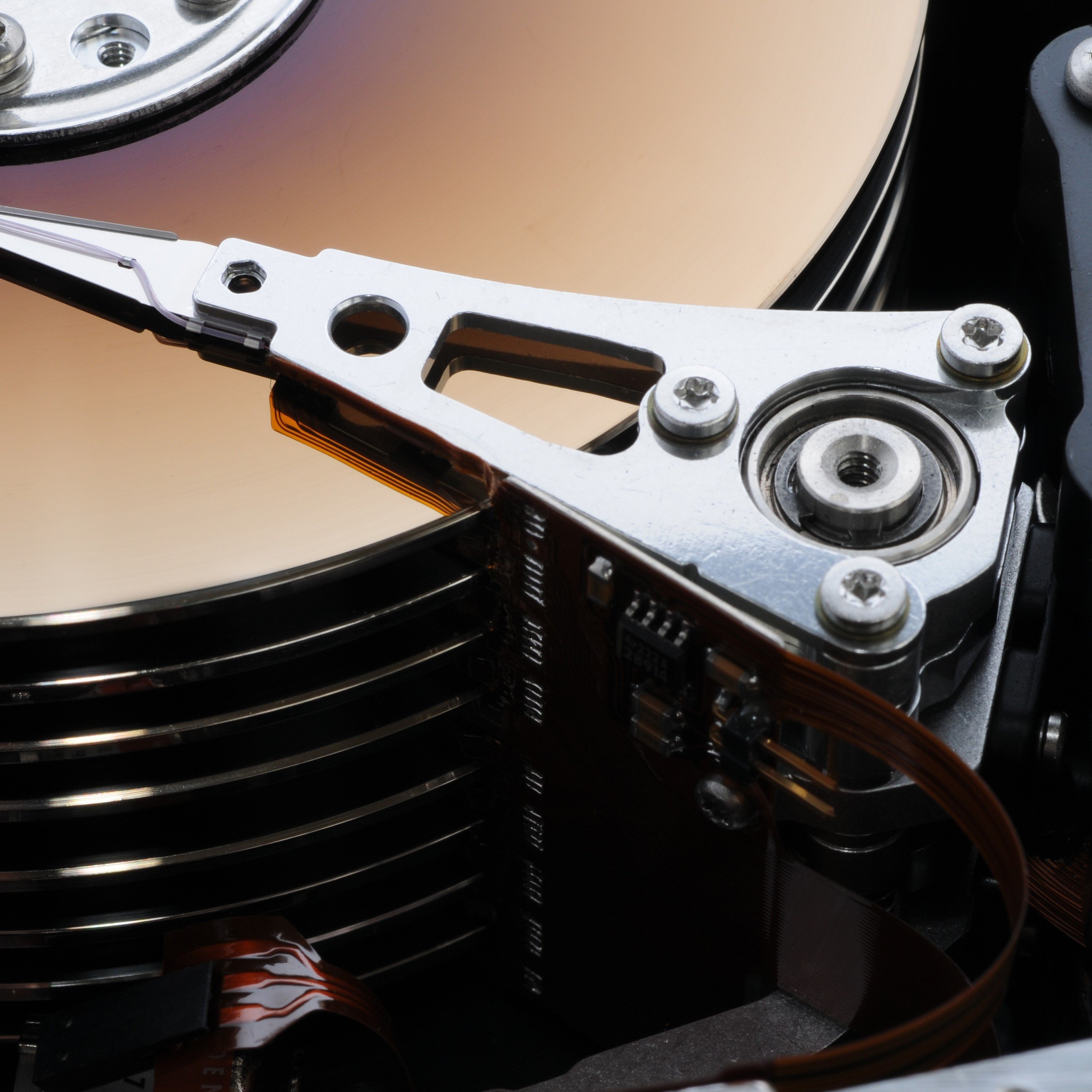
Seagate is the same trade in spinning-disk form. March-quarter revenue grew 44.1% to $3.11 billion, non-GAAP gross margin expanded to 47.0%, and free cash flow reached $953 million. CEO Dave Mosley said Seagate is entering “a new era of structural growth as AI applications amplify data creation.” Its Mozaic HAMR drives are qualified at five of the world’s largest cloud customers, with nearline production largely spoken for through mid-2026. Broadcom and Arm round out the trade on the compute side, supplying custom accelerator silicon and the CPU IP that every hyperscaler now licenses.
Whether retail should follow
Buying SanDisk after a rip is a different trade than the one Druckenmiller made earlier this year. The underlying thesis remains intact. Hyperscaler capex is committed, memory pricing is tight through 2027, and HAMR storage is effectively sold out. The entry price now does the work the thesis used to do.
Composite sentiment on SanDisk reads 74.55, bullish with medium confidence, while Micron’s composite has slipped to 62.33 after a sharp May rally. For a retirement-focused investor, the cleanest expression of the picks-and-shovels idea is the slower compounder of the group, Broadcom, which still pays a dividend and has only just begun to move. The penthouse-to-foundation rotation is the right idea. Paying retail prices for the foundation at the all-time high is the harder question, and one Druckenmiller did not have to answer.
Contact [email protected] for any questions or corrections.
Omor Ibne Ehsan is a writer at 24/7 Wall St. He is a self-taught investor with a focus on growth, cyclical, and dividend equities that have strong fundamentals, value, and long-term potential. He also has an interest in high-risk, high-reward investments such as penny stocks.