The 41-Day Dividend Trap That Quietly Erodes SPY Returns Every Quarter
SPY is the ticker every trader knows and the fund most retail investors default to when they want “the S&P 500.” That default has a price. Two nearly identical ETFs charge a fraction of the fee, reinvest dividends faster, and…

This post may contain links from our sponsors and affiliates, and Flywheel Publishing may receive compensation for actions taken through them.

SPY is the ticker every trader knows and the fund most retail investors default to when they want “the S&P 500.” That default has a price. Two nearly identical ETFs charge a fraction of the fee, reinvest dividends faster, and hand you the same 500 stocks. If your S&P 500 money is sitting in SPY, you are quietly paying for the liquidity that Wall Street traders need and you probably don’t.
What You’re Actually Paying
The SPDR S&P 500 ETF (NYSEARCA:SPY) charges a net expense ratio of 0.0945%, per State Street’s fact sheet dated March 17, 2026. Gross and net are identical, so no fee waivers are propping up the sticker.
Compare that to the two cheaper mirrors. Vanguard’s Vanguard S&P 500 ETF (NYSEARCA:VOO) carries a net expense ratio of 0.03% as of March 25, 2026. BlackRock’s iShares Core S&P 500 ETF (NYSEARCA:IVV) comes in at 0.0004% per its March 18, 2026 fact sheet. Same index, same top 10 names, wildly different fees.
On $10,000, SPY’s fee runs about $9.45 a year versus roughly $3 for VOO. On $100,000, the annual gap is roughly $65. Push that difference across 10 or 20 years of compounding on a real retirement balance, and you are looking at a paid-for vacation you never took, because the fund quietly skimmed it first.
The Part the Factsheet Doesn’t Highlight
SPY’s headline fee is only part of the drag. The fund is structured as a Unit Investment Trust, an older wrapper that cannot reinvest dividends inside the fund. Cash from portfolio companies piles up until the quarterly payout, then sits idle again between ex-date and payment.
The lag is real and measurable. SPY’s Q2 2026 dividend went ex on March 20, 2026 but did not pay until April 30, 2026, a 41-day wait. The next distribution went ex on June 18, 2026 and pays on July 31, 2026, a 43-day gap. Every recent quarter has shown a 30 to 43 day lag between ex-date and payment. During those weeks, your share of roughly $7.28 per share in 2025 dividends is not compounding. VOO and IVV, structured as open-end funds, can reinvest internally.
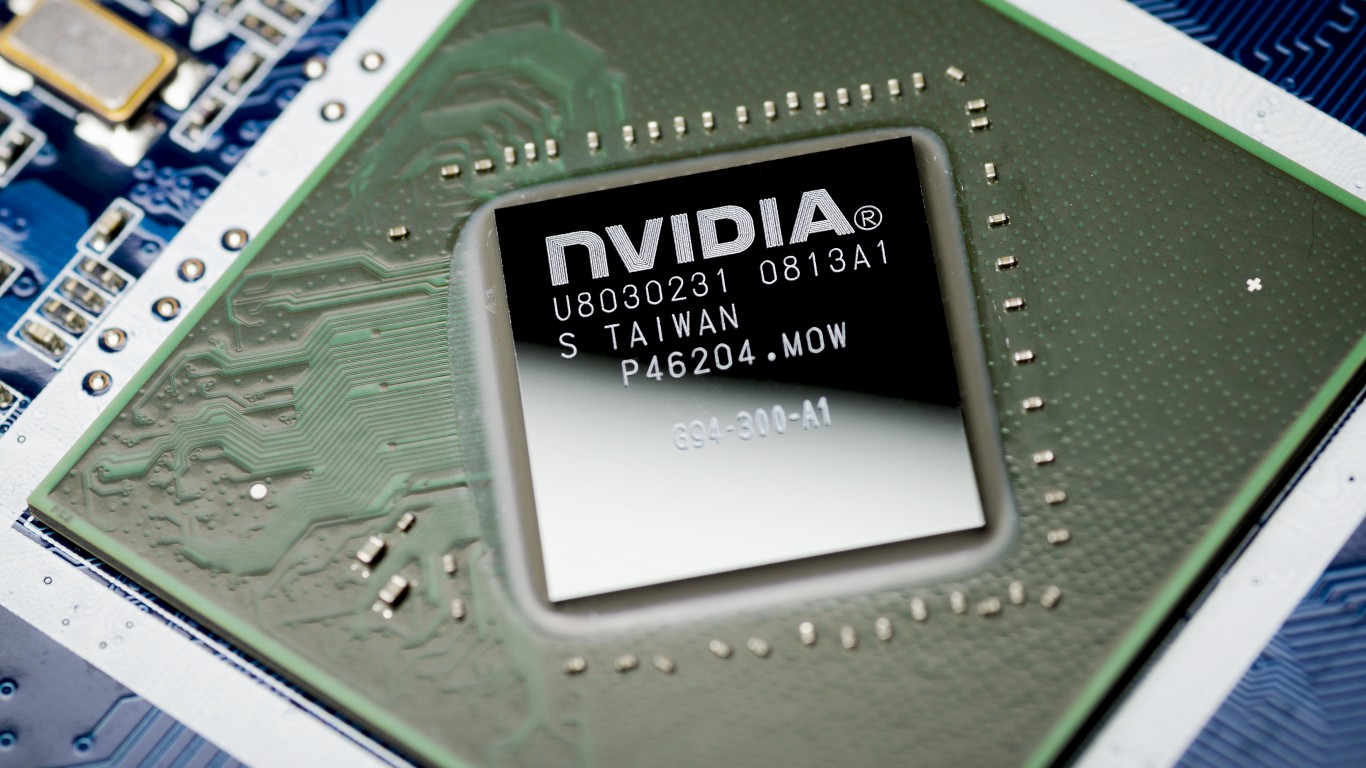
Then there is concentration risk, which is not SPY’s fault but is worth naming. SPY’s top three holdings alone, NVIDIA at 7.58%, Apple at 6.66%, and Microsoft at 4.91%, account for 19.15% of net assets. You are paying an index-fund fee for what is effectively a large tech bet at the top of the book. That is true of the cheaper mirrors too, so the fee you pay for that exposure is the real issue.
The Cheaper Mirror
VOO and IVV hold the same names in nearly identical weights. IVV’s top three are NVIDIA at 7.84%, Apple at 6.44%, and Microsoft at 4.89%. The exposure trade-off is essentially cosmetic. What you give up moving from SPY is the tightest intraday spread and the deepest options market in ETF-land, features that matter to day traders and institutions running short-dated hedges. If you buy and hold, you are subsidizing a feature you do not use.
What This Means for You
SPY’s own one-year return was 20.87% and its ten-year return was 255.74% through June 30, 2026. The index did the work. The wrapper decides how much of it you keep. Before your next contribution, ask a simple question: am I paying for liquidity I will never use, or for the S&P 500 itself?
Contact [email protected] for any questions or corrections.
I am a long time investor and student of business, and believe finding good companies that can become great investments is the best game on earth. After 20 years of writing and researching the public markets it is clear that individuals have never had more tools and information to take control of their financial lives. From ETFs and $0 commissions to cryptos and prediction markets there has never been a greater democratization of access to investing.
I write to help people understand the investments available to them so they can make the best choice for their portfolio, whether they're starting out or looking for income in retirement.