3 Critical Minerals ETFs Capturing the Reshoring Trade as China Tightens Export Controls
China’s October 2025 expansion of rare earth export controls continues to ripple through equity markets eight months later. Three exchange-traded funds have absorbed most of the capital flowing toward the critical minerals supply chain: the VanEck Rare Earth and Strategic…

China’s October 2025 expansion of rare earth export controls continues to ripple through equity markets eight months later. Three exchange-traded funds have absorbed most of the capital flowing toward the critical minerals supply chain: the VanEck Rare Earth and Strategic Metals ETF (NYSEARCA:REMX), the Global X Lithium & Battery Tech ETF (NYSE:LIT), and the Sprott Critical Materials ETF (NYSEARCA:SETM).
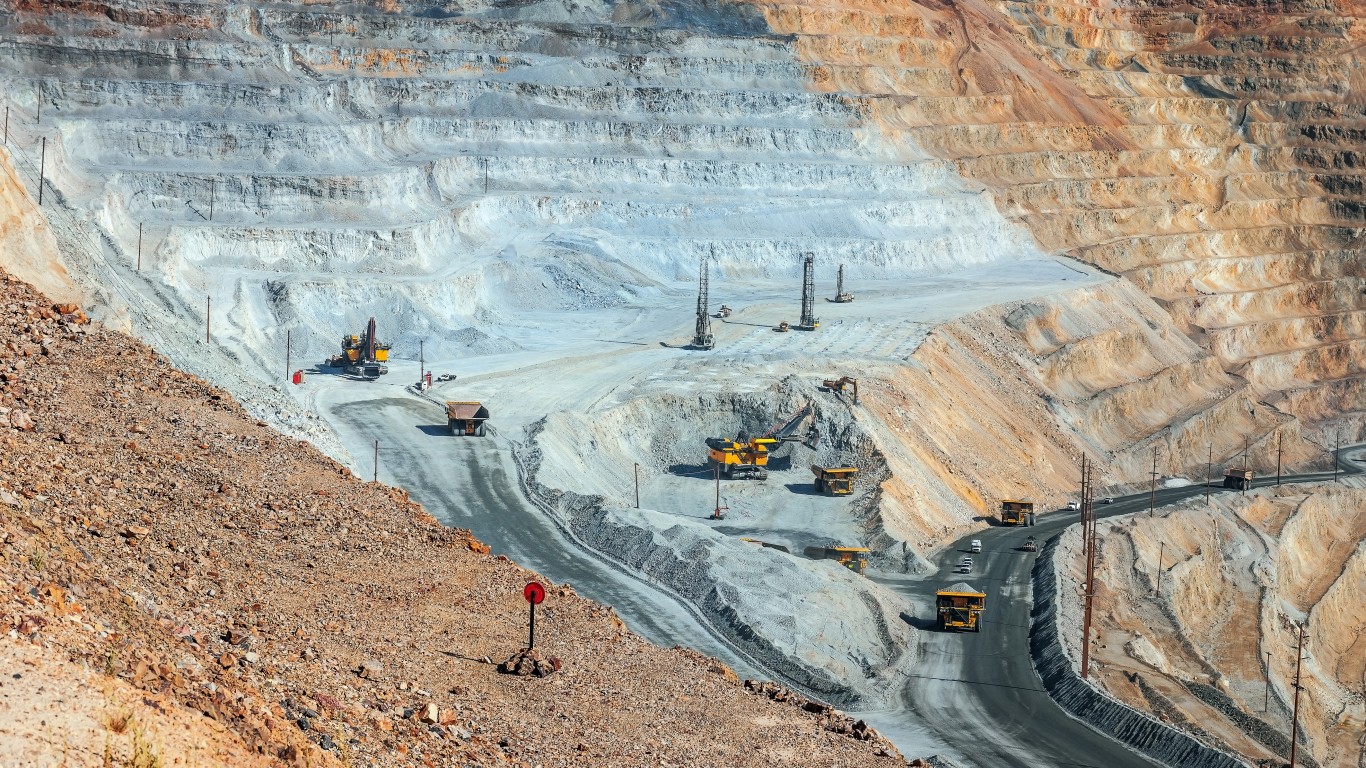
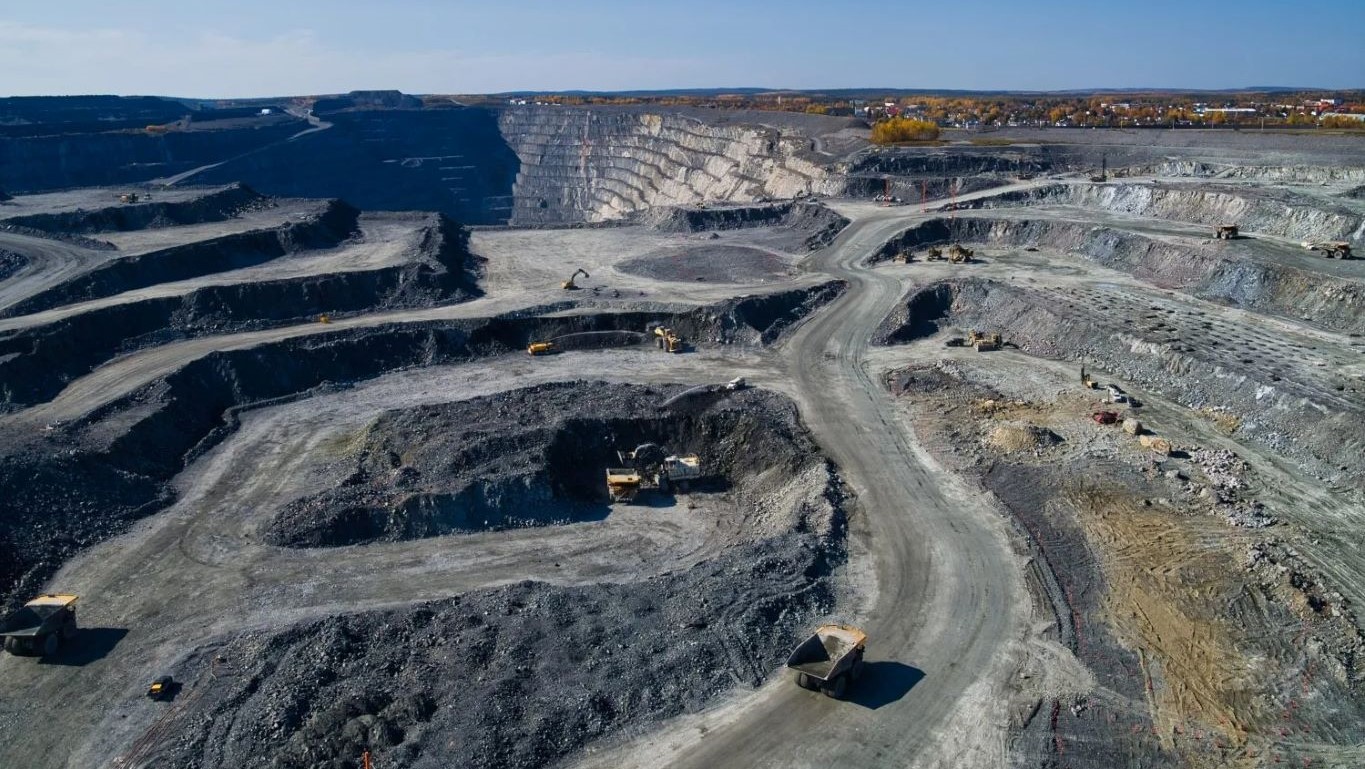
Each of these funds takes a completely different approach to the reshoring trade. If you are looking at the companies at the center of the export-control drama, REMX focuses on upstream miners of rare earths and strategic metals. On the other hand, LIT covers the entire lithium-to-battery journey, from raw mining to finished cell assembly. Then there is SETM, which plays it much broader by scooping up a mix of copper, uranium, nickel, and rare earths, basically all the stuff we need to keep the energy transition and our defense industry moving forward.
Why the reshoring trade keeps compounding
Goldman Sachs Asset Management’s 2026 outlook framed economic security as a defining investment theme, citing China’s roughly 60% share of global rare earth production as a concentration that forces governments to subsidize alternatives. The report described the tariff regime as a structural force pushing companies toward shorter, more resilient supply chains.
Policy reaction has been concrete. MarketBeat reported in January 2026 that REMX had surged 146% since April 2025, attributing the move to the Trump administration’s designation of rare earths as a national security priority. Meanwhile, Climate Energy Finance found that China has invested more than $120 billion in overseas critical-mineral projects since 2023, deepening its grip on processing capacity even as Washington builds alternatives.
The macro backdrop reinforces policy pressure. The U.S. trade deficit registered $55.9 billion in April 2026, near the upper end of its recent range, keeping pressure on policymakers to support domestic production of strategically sensitive materials.
REMX: the purest rare earth bet
This fund serves as the most direct proxy for the current export-control narrative, as it tightly clusters around miners and processors that deal with the exact elements China is restricting. Its portfolio currently spans roughly 35 to 40 names, creating enough concentration that the performance of a single company can meaningfully swing the fund’s overall direction. When news of export restrictions first hit the wires, this concentrated structure allowed the fund to capture the full force of the resulting market surge, making it the primary vehicle for investors betting on a direct geopolitical squeeze.
Performance reflects the reshoring premium. REMX has outperformed broad commodity benchmarks since the October 2025 controls were announced. The historical record offers a counterweight. The fund traded well below its 2011 launch price for much of the past decade, a reminder that the strategic metals complex has gone through long stretches in which policy attention faded, and prices unwound.
The tradeoffs are concentration and volatility. REMX carries an expense ratio and realized volatility, both elevated relative to broad-market funds. Drawdowns of more than 10% within single weeks have occurred in recent years, showing how quickly sentiment can reverse when trade headlines soften.
LIT: the full lithium value chain
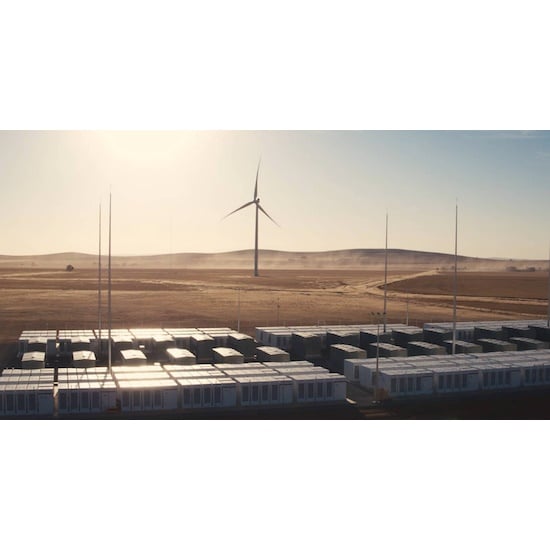
This fund spans the entire lithium chain from raw extraction through to battery cell production, giving investors exposure to both the supply and demand sides of the reshoring trade. It maintains a portfolio of nearly 90 holdings, encompassing miners, refiners, battery manufacturers, and the electric vehicle producers that integrate these components into their final products.
The portfolio composition explains the strategy. Albemarle, SQM, and Ganfeng anchor the upstream lithium weight. Battery cell makers, including Panasonic, CATL, LG Energy Solution, and BYD, anchor the manufacturing layer, while Tesla and Lucid add EV end-demand exposure. The fund benefits when lithium prices rise and when battery output scales.
The geographic split complicates the reshoring narrative. A meaningful share of LIT’s holdings is Chinese-domiciled battery and materials firms, meaning the same tariff and export regime that can pressure rare earth miners can also pressure parts of this portfolio. LIT has moved less violently than REMX on export-control headlines, a pattern consistent with supply chain cross-currents.
SETM: the wider critical materials net
This fund casts a broad net across the commodities essential to the modern industrial base, including copper, uranium, nickel, graphite, silver, and tin, as well as rare earths and lithium. It maintains a diversified portfolio of roughly 80 to 100 names, spreading its risk across the various categories that feed into the defense, grid, and electronics manufacturing sectors.
Breadth changes the return profile. SETM’s return since the October 2025 controls has trailed REMX, lagging the two narrower funds during the export-control spike but compensating with diversification across commodity cycles. The fund trades at a more moderate price-to-earnings multiple, a less stretched valuation than REMX, which reflects a heavier weight in established industrial miners alongside pure-plays.
This fund will not provide the same explosive upside as a rare-earth-specific squeeze. When Chinese export licenses for magnets tighten, the concentrated nature of its peers allows them to surge much faster. The potential payoff here rests on the assumption that the reshoring trend will eventually expand to encompass the entire periodic table of materials required to support our defense, electrical grid, and electric vehicle infrastructure.
How the three funds fit different investor profiles
Investors seeking the cleanest expression of the rare-earth export-control trade tend toward REMX, accepting its concentration and volatility. Those seeking battery buildout exposure and understanding that the supply chain still runs heavily through Asia find LIT closer to their thesis. Investors looking for a diversified hedge across critical materials with lower single-name risk and reasonable valuation tend toward SETM.
All three funds have given back ground in June 2026, a reminder that reshoring trades move on headline cadence as much as fundamentals. The structural case, anchored in supply concentration and policy direction, is what each portfolio is built to express over a multi-year window.
Contact [email protected] for any questions or corrections.
David Beren has been a Flywheel Publishing contributor since 2022. Writing for 24/7 Wall St. since 2023, David loves to write about topics of all shapes and sizes. As a technology expert, David focuses heavily on consumer electronics brands, automobiles, and general technology. He has previously written for LifeWire, formerly About.com. As a part-time freelance writer, David’s “day job” has been working on and leading social media for multiple Fortune 100 brands. David loves the flexibility of this field and its ability to reach customers exactly where they like to spend their time. Additionally, David previously published his own blog, TmoNews.com, which reached 3 million readers in its first year. In addition to freelance and social media work, David loves to spend time with his family and children and relive the glory days of video game consoles by playing any retro game console he can get his hands on.