Copper Prices Are Surging; Here’s the Mining ETF That Gives You Pure Exposure
Copper has climbed from roughly $9,173 per metric ton in April 2025 to nearly $12,951 per metric ton in early 2026, a move driven by structural demand from electric vehicles, data center buildouts, and grid electrification that shows no sign…

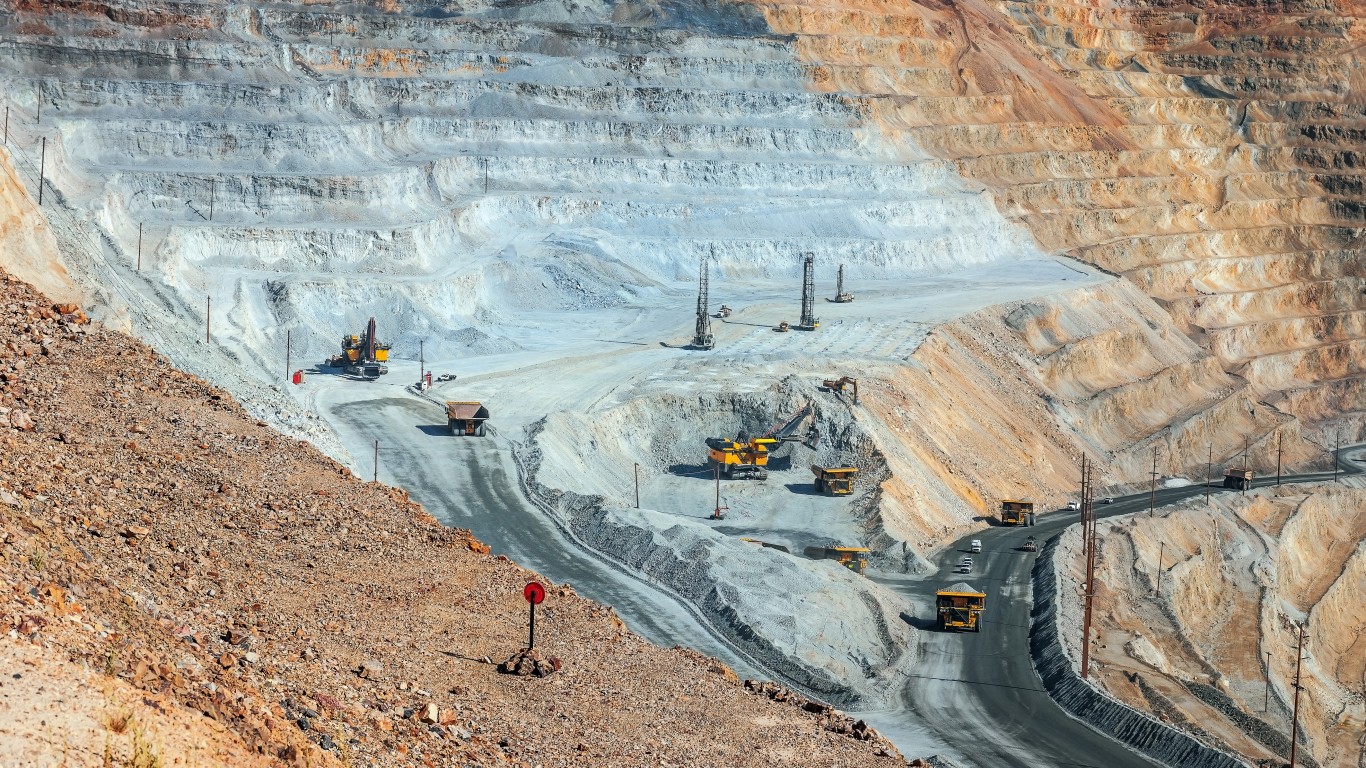
Copper has climbed from roughly $9,173 per metric ton in April 2025 to nearly $12,951 per metric ton in early 2026, a move driven by structural demand from electric vehicles, data center buildouts, and grid electrification that shows no sign of reversing. For investors who want to position in the metals behind that move, the choice of vehicle matters enormously. A broad materials ETF, a junior miners fund, and a platinum trust each offer a different risk-return profile and a different mechanism for capturing the theme.
The Pure-Play Copper Bet: Junior Miners With Maximum Leverage
Sprott Junior Copper Miners ETF (NASDAQ:COPJ) is the sharpest instrument on this list for investors who want direct, concentrated exposure to copper prices. The fund tracks the Nasdaq Sprott Junior Copper Miners Index, which is designed to capture mid-, small-, and micro-cap companies in copper mining-related businesses. Every position is a copper equity. There is no dilution from gold, silver, uranium, or diversified base metals.
The portfolio holds 51 positions spanning multiple continents, with Canada at 46% of the geographic allocation, followed by Australia at 15%, the United States at 8%, Chile at 6%, and Peru at nearly 5%. Top names include Minsur S.A., Atalaya Mining Copper, FireFly Metals, ATEX Resources, and Ero Copper, each representing roughly 4% to 5% of the fund. No single holding dominates, which limits idiosyncratic blowup risk even within a concentrated theme.
The expense ratio is 0.76%, competitive for a specialized mining fund. Total net assets stand at $60.7 million. The fund has returned about 161% over the trailing twelve months and is up about 6% year to date.
The tradeoff is real: junior miners amplify both the upside and the downside of copper price moves. When copper pulls back, these smaller, often pre-production or early-production companies can fall harder than their large-cap counterparts. The fund also launched in February 2023, giving it a limited live track record through a full commodity cycle. Investors are buying leverage to the copper thesis, not a defensive position.
Broader Critical Materials Exposure: When You Want More Than Just Copper
Sprott Critical Materials ETF (NASDAQ:SETM) takes a wider lens. Rather than isolating copper, it covers the full basket of metals required for the energy transition: uranium, lithium, copper, nickel, silver, rare earths, and more. The fund holds over 150 positions and carries an expense ratio of 0.65%.
Copper is present through names like Freeport-McMoRan at about 5% and Southern Copper at about 2%, but those are large, established producers rather than the junior explorers COPJ targets. The fund also carries meaningful uranium exposure through Kazatomprom at about 5%, Uranium Energy Corp at about 4%, and NexGen Energy at about 2%, alongside lithium through Albemarle at about 5% and rare earths through Lynas Rare Earths at nearly 5%.
SETM has returned about 173% over the trailing twelve months and is up about 21% year to date, outpacing COPJ on both measures. The broader commodity diversification reduced single-metal concentration risk while uranium and lithium added their own tailwinds from nuclear energy policy and battery demand.
The tradeoff is dilution. If copper specifically is the thesis, SETM delivers it impurely. An investor who expects copper to outperform uranium or lithium by a wide margin is better served by COPJ. SETM is the right choice when the thesis is the energy transition broadly, and copper is one of several metals expected to benefit.
A Precious Metals Complement: Physical Platinum
GraniteShares Platinum Trust (NYSE:PLTM) holds physical platinum, not copper. It belongs on this list not as a copper vehicle but as a related industrial metals position that responds to many of the same demand forces. Platinum is essential for catalytic converters, increasingly relevant in hydrogen fuel cell technology, and — like copper — tightly linked to industrial production cycles and the clean energy buildout.
The trust carries an expense ratio of 0.50%, the lowest of the three funds. It has returned about 126% over the trailing twelve months but is up only about 3% year to date, meaningfully lagging both copper funds on a 2026 basis. The trust launched in January 2018, giving it a substantially longer live history than COPJ or SETM.
Because PLTM holds the physical commodity rather than mining equities, it carries no company-specific risk, no management execution risk, and no leverage to operational costs. When a mining company has a bad quarter, the ETF feels it. When platinum spot prices move, the trust moves with them almost exactly. That simplicity is the point.
The tradeoff is that platinum demand dynamics diverge meaningfully from copper. Platinum is more dependent on automotive production cycles and hydrogen adoption timelines, both of which are slower-moving than the grid electrification and data center demand driving copper. Investors who want a clean commodity trust with energy-transition adjacency will find PLTM useful, but those seeking direct copper exposure will not find it here.
Which Fund Fits Which Investor
COPJ is the right choice for investors who have a specific, high-conviction view on copper prices and want maximum leverage to that thesis through junior miners willing to accept higher volatility. SETM suits investors who believe the energy transition will lift multiple critical metals simultaneously and prefer diversified exposure across uranium, lithium, rare earths, and copper rather than betting on a single commodity. PLTM is a complement, not a substitute, for the copper thesis — it makes sense as a paired position for investors who want physical commodity exposure to industrial precious metals alongside a mining equity position in copper.
Contact [email protected] for any questions or corrections.
Austin Smith is a financial publisher with over two decades of experience as an investor, analyst, and advisor. He covers stocks, ETFs, Artificial intelligence and personal finance for 24/7 Wall St. Previously, he spent over a decade at The Motley Fool as a senior editor for Fool.com, portfolio advisor for Millionacres, and launched The Ascent to help reader take control of their personal finances.
His work has been featured on Fool.com, NPR, CNBC, USA Today, Yahoo Finance, MSN, AOL, Marketwatch, and many other publications. He is as an advisor to private companies, and co-hosts The AI Investor Podcast with Eric Bleeker.
When not looking for investment opportunities, he can be found skiing, running, or playing soccer with his children. Learn more about Austin's investment approach here.