Musk Calls It ‘Utterly False,’ But This SpaceX Rumor Should Terrify Every Apple Investor
Shares of Apple (NASDAQ:AAPL | AAPL Price Prediction) rose 1.7% on July 1, 2026, the day the Wall Street Journal reported that SpaceX had shown IPO investors a prototype handset: slimmer than an iPhone, running a proprietary operating system, powered…


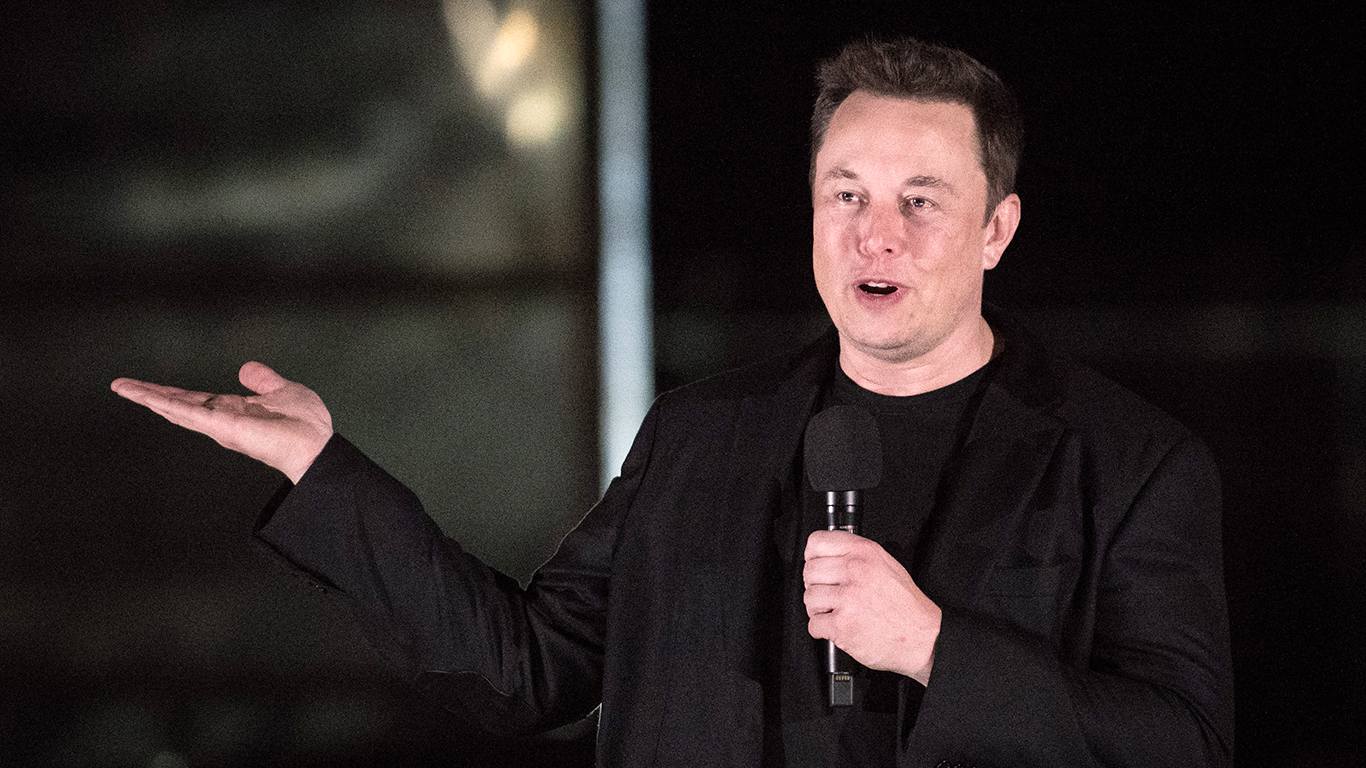
Shares of Apple (NASDAQ:AAPL | AAPL Price Prediction) rose 1.7% on July 1, 2026, the day the Wall Street Journal reported that SpaceX had shown IPO investors a prototype handset: slimmer than an iPhone, running a proprietary operating system, powered by a Qualcomm Snapdragon chip, and deeply integrated with xAI’s Grok. Elon Musk called the story “utterly false” on X, then apparently deleted the post. Meanwhile, SpaceX (NASDAQ:SPCX) fell 7.3%, briefly wiping more than $50 billion from Musk’s net worth. The market’s verdict on Apple was clear: not our problem. That verdict looks wrong.

The Denial Pattern
This is at least the third time Musk has denied building a phone. He denied a similar Reuters report in February 2026, previously posted “we are not developing a phone,” and once said the idea of making a phone “makes me want to die.”. Take him at his word. The confirmed moves around the device are the real story.
The Stack Apple Should Fear
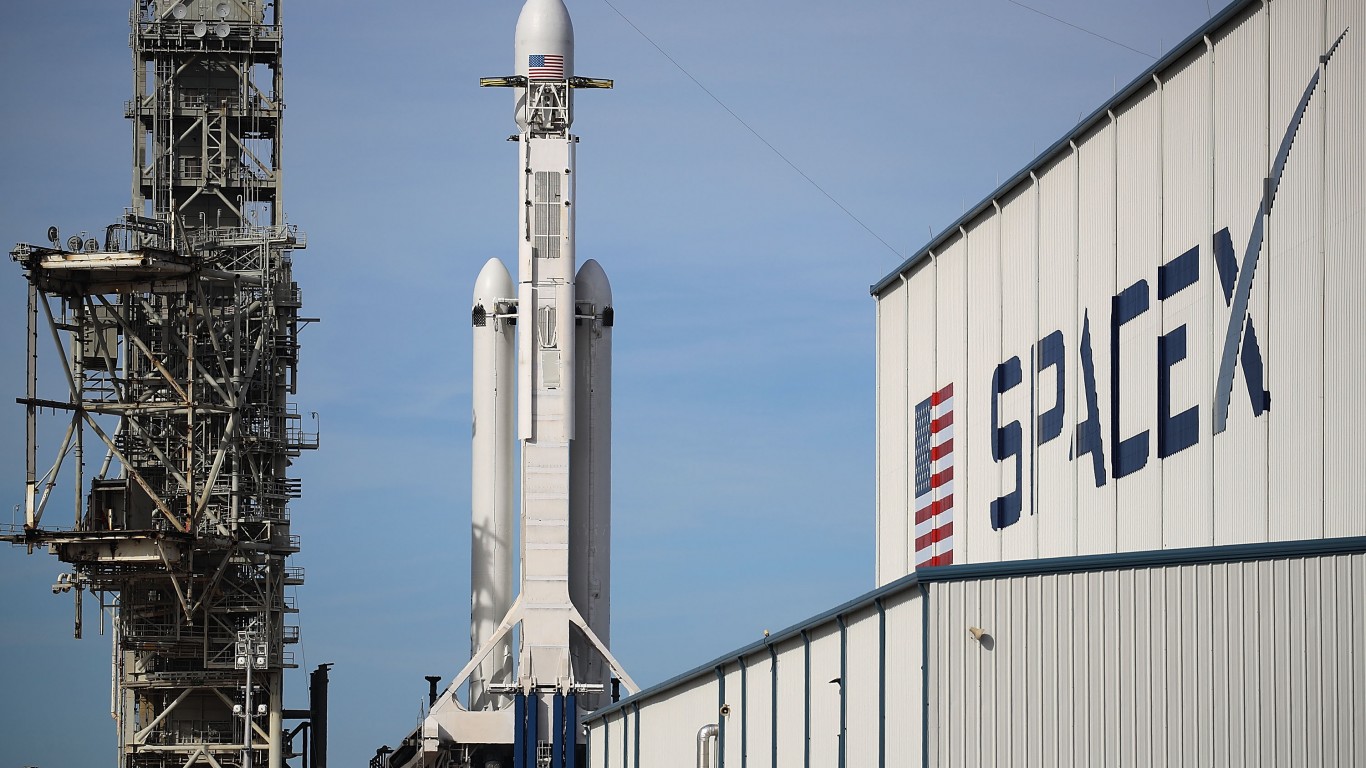
On June 26, SpaceX COO Gwynne Shotwell told IPO roadshow investors that SpaceX plans to launch a Starlink-branded retail wireless service and may build its own terrestrial cellular network to challenge AT&T, Verizon, and T-Mobile. In May 2026, the FCC approved SpaceX’s acquisition of 65 MHz of exclusive nationwide mid-band spectrum from EchoStar, the legal foundation for a carrier-free network. Bloomberg reports talks with Charter Communications about a mobile infrastructure partnership. And in February 2026, SpaceX absorbed xAI, bringing Grok, X, and Cursor under one roof.
Network layer: Starlink. Intelligence layer: Grok. Social graph: X. Developer tools: Cursor. A proprietary OS would complete the stack. Whether a handset ships is almost beside the point.
Why the App Store Is the Real Target
Apple’s Services segment, which houses App Store fees, reached approximately $26.6 billion in the most recent quarter, the company’s highest-margin business and anchor of its 36 trailing P/E. Musk has explicitly said the motivation for a phone would be to escape Apple’s control over app distribution, citing the risk that Apple could remove X from the App Store. A proprietary OS bypasses both Apple and Google in one motion.
The Broader AI Hardware Race
SpaceX is not alone. OpenAI is developing a device with former Apple chief design officer Jony Ive; Paul Meade, Apple’s VP in charge of Vision Pro, recently joined OpenAI’s hardware team. Microsoft unveiled a prototype AI badge last month built on Qualcomm wearable chips. Apple itself is reportedly building AI wearables and an AI pin, an implicit concession that the smartphone era has a horizon.
The Counterargument
Analysts at Vital Knowledge wrote after the report: “SpaceX has a long way to go before successfully manufacturing a consumer device at scale and competing against the leading platforms.” The Humane AI Pin was discontinued; the Rabbit R1 launched to critical disappointment. Apple’s moat has absorbed every prior assault, and manufacturing a consumer device at scale is a fundamentally different challenge than launching rockets.
The Next Inflection
Apple’s fiscal Q3 report is expected July 30, 2026, the first major update since the rumor broke, with reports suggesting Tim Cook may not attend the earnings call. The last quarter was pristine: $111.184 billion in revenue, $2.01 EPS versus $1.94 expected, an eighth straight beat, and a new $100 billion buyback authorization.
The numbers are fine, the stock is at $308.63, and prediction markets give only a 28% probability Apple releases a new product line before 2027. Here is the question worth asking before July 30: if a competitor were quietly assembling the network, the model, the OS, and the distribution to route around the App Store, would this earnings report tell you about it, or would it look exactly like the one you just read?
Contact [email protected] for any questions or corrections.
I've spent more than 15 years inside enterprise software, working alongside the finance, sales operations, and HR leaders who run the revenue engines at some of the largest tech companies in the country.
My day job is helping enterprise executives make smarter decisions about retention, compensation, and growth. These are the same operational levers that show up in every earnings report investors actually read. That perspective shapes my writing for 24/7 Wall St.
The headline numbers are easy. The interesting stuff is underneath: how companies make money, what executives are worried about, and what any of it means for the person checking their 401(k) on a Sunday afternoon. I write about personal finance and business as someone who has spent her career inside the rooms where these decisions get made.