What Would Steve Jobs Do Today?
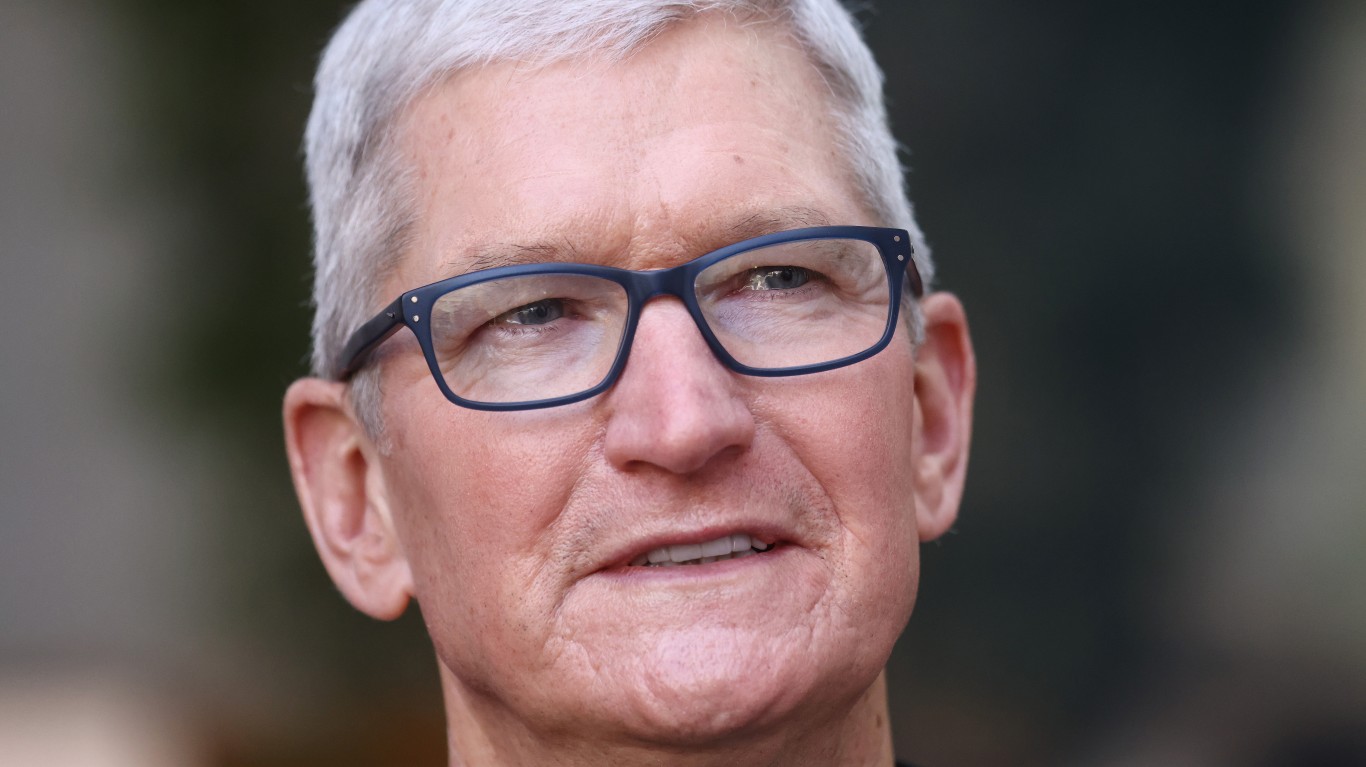
Steve Jobs, the co-founder, long-time CEO of Apple (NASDAQ: AAPL | AAPL Price Prediction), and the heart and soul of the company, died in 2011. If he were alive, he would watch his handpicked CEO, Tim Cook, retire. Cook did…


Steve Jobs, the co-founder, long-time CEO of Apple (NASDAQ: AAPL | AAPL Price Prediction), and the heart and soul of the company, died in 2011. If he were alive, he would watch his handpicked CEO, Tim Cook, retire. Cook did almost everything right for Apple’s shareholders. But he did little to change the company’s products. The iPhone was first released in 2007. It remains Apple’s top revenue-producing product. In a way, Apple has been frozen in time for two decades.
Potential Apple products have come and gone. The most ambitious of these was an EV. Called “Project Titan”, Apple worked on it from 2014 to 2024. The plan was also to create the most advanced self-driving vehicle in history, which would have pitted it against several industry leaders, including Tesla and Google’s Waymo. Most legacy car companies have self-driving projects of their own. Titan would have launched into a crowded field. The iPhone was not.
Although it is not certain, Apple dropped the Titan project to aggressively move into AI development. After a series of false starts, Apple AI leaders began to leave for destinations that included rivals OpenAI and Meta (NASDAQ: META). Cook may have moved away from Apple’s development plans because he came up short on AI experts. While the reason is unclear, he abandoned an iPhone-based AI product that was set to launch earlier this year.
Cook turned to Alphabet to adopt its Gemini AI product to power the next generation of Siri and Apple Intelligence. It gave up its opportunity to be a leader in the industry. Apple will pay $1 billion a year for this, according to CNET. In the process, Cook may have made an ingenious decision by avoiding the hundreds of billions of dollars Apple would have spent on development and AI data centers. He has left it to Alphabet, OpenAI, Microsoft (NASDAQ: MSFT), and others to fight that fight. If these data centers are underutilized, Apple will have made the right decision.
But would Jobs have decided to forgo the risk in exchange for a chance to be a leader in the development of what may be the most important scientific advance in history? It is only a guess, but based on his career and vision, maybe not.
Contact [email protected] for any questions or corrections.
Douglas A. McIntyre is the co-founder, chief executive officer and editor in chief of 24/7 Wall St. and 24/7 Tempo. He has held these jobs since 2006.
McIntyre has written thousands of articles for 24/7 Wall St. He is an expert on corporate finance, the automotive industry, media companies and international finance. He has edited articles on national demographics, sports, personal income and travel.
His work has been quoted or mentioned in The New York Times, The Wall Street Journal, Los Angeles Times, The Washington Post, NBC News, Time, The New Yorker, HuffPost USA Today, Business Insider, Yahoo, AOL, MarketWatch, The Atlantic, Bloomberg, New York Post, Chicago Tribune, Forbes, The Guardian and many other major publications. McIntyre has been a guest on CNBC, the BBC and television and radio stations across the country.
A magna cum laude graduate of Harvard College, McIntyre also was president of The Harvard Advocate. Founded in 1866, the Advocate is the oldest college publication in the United States.
TheStreet.com, Comps.com and Edgar Online are some of the public companies for which McIntyre served on the board of directors. He was a Vicinity Corporation board member when the company was sold to Microsoft in 2002. He served on the audit committees of some of these companies.
McIntyre has been the CEO of FutureSource, a provider of trading terminals and news to commodities and futures traders. He was president of Switchboard, the online phone directory company. He served as chairman and CEO of On2 Technologies, the video compression company that provided video compression software for Adobe’s Flash. Google bought On2 in 2009.