After Laying Off 8,000 Employees, Zuckerberg Admits Meta’s AI ‘Hasn’t Really Accelerated’ As Expected
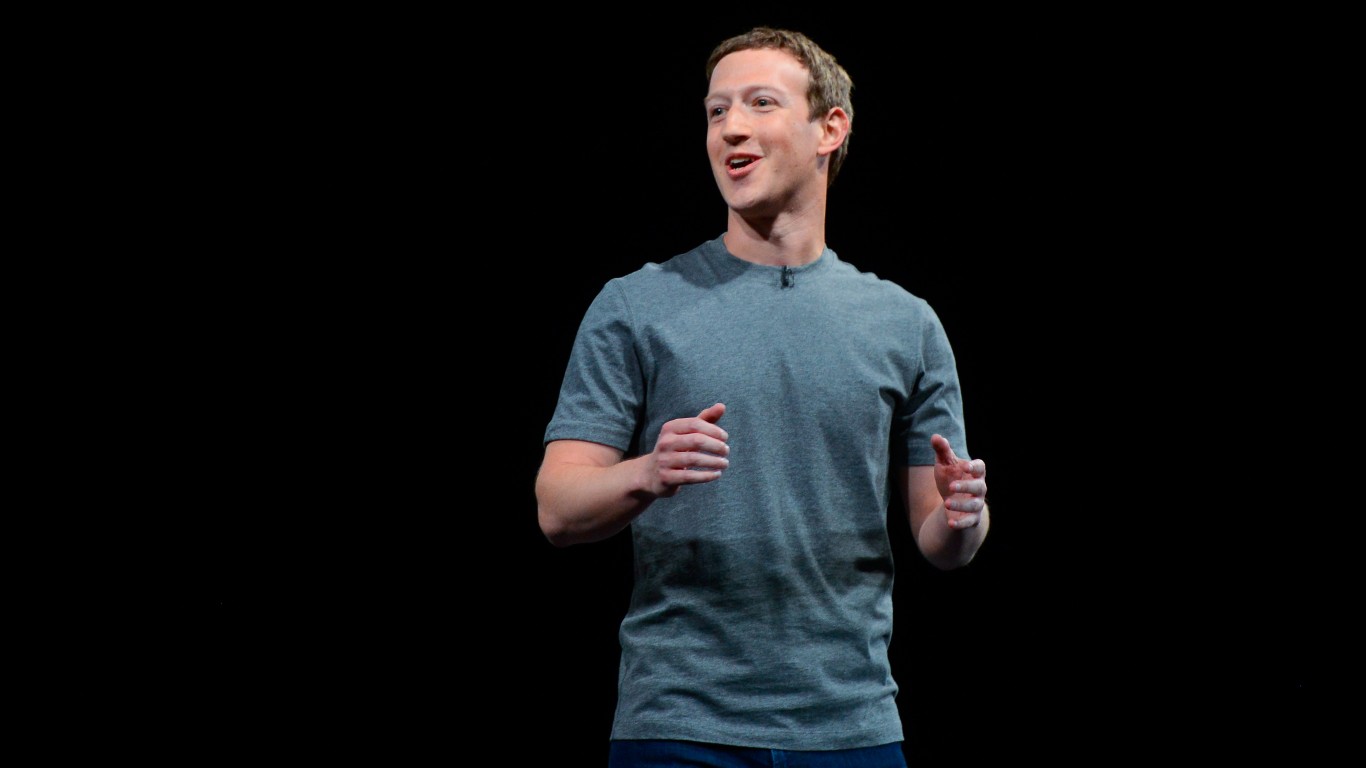
At an internal Meta town hall on July 2, 2026, CEO Mark Zuckerberg told employees that AI agent development over the prior four months “hasn’t really accelerated in the way that we expected,” per a recording heard by Reuters. He…

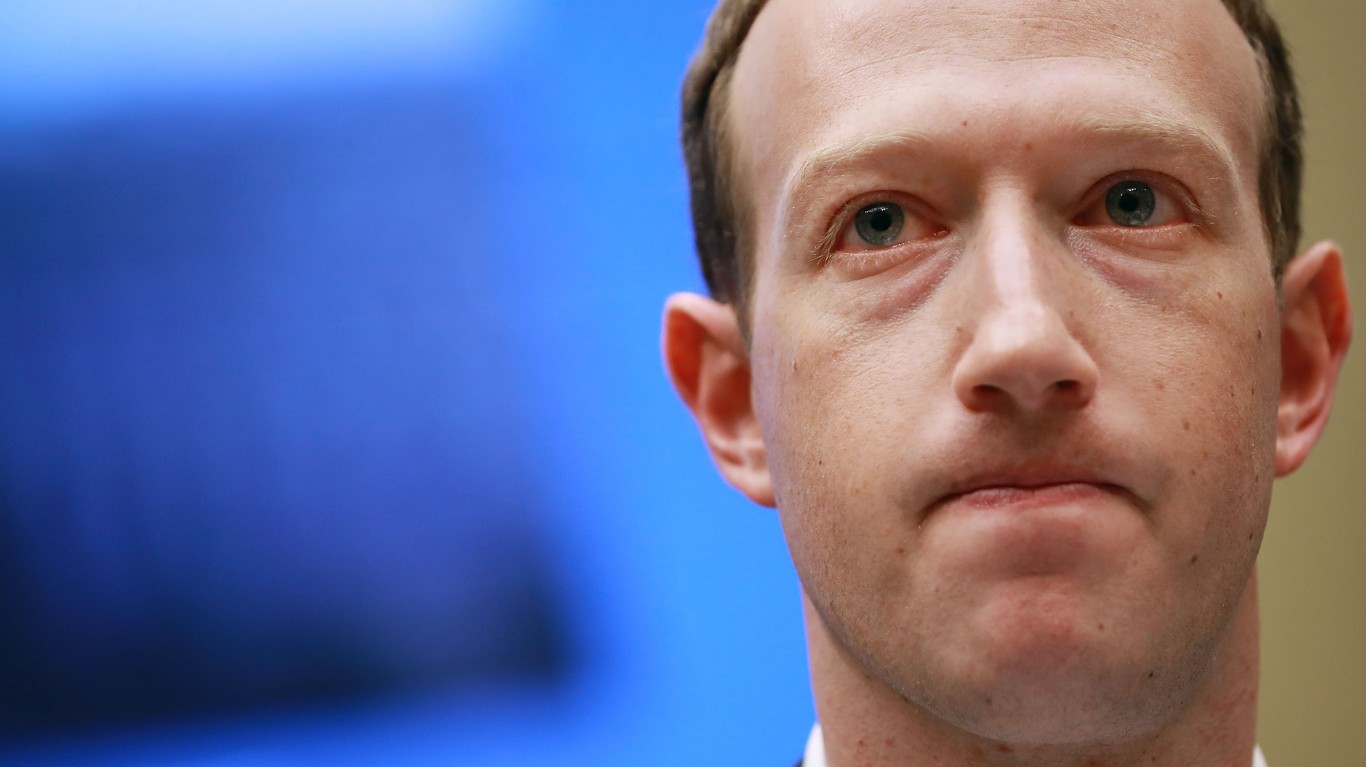
At an internal Meta town hall on July 2, 2026, CEO Mark Zuckerberg told employees that AI agent development over the prior four months “hasn’t really accelerated in the way that we expected,” per a recording heard by Reuters. He added that the company’s reorganization was not as “clean” as planned and that its bets on the new structure “haven’t come to fruition yet,” though he expects meaningful benefits within three to six months.
The admission came six weeks after Zuckerberg’s May layoff memo declared “AI is the most consequential technology of our lifetimes” and that “the companies that lead the way will define the next generation.”
The $145 billion Contradiction
Meta Platforms (NASDAQ:META | META Price Prediction) has committed to $125 billion to $145 billion in 2026 capex, more than double its $72.215 billion 2025 outlay. In April, Meta inked a $21 billion expanded AI infrastructure deal with CoreWeave through 2032, on top of a 6-gigawatt AMD GPU partnership signed in February. And yet, last week it was reported Meta will rent out capacity much like SpaceX (Nasdaq: SPCX). Bulls have cheered the announcement, noting it gives Meta Platforms more flexibility and could raise substantial revenue in the year ahead.
Bears point ot the fact Meta has enough compute its not able to effectively use it on its products. That could show the company is reaching the limits of AI producing strong ROIC when applied to products from Instagram, Facebook, and WhatsApp. In the past Meta has managed to continue driving engagement across its product suite (and advertising solutions) through increased AI usage.
Shares trade near $584, down roughly 11.5% year to date and about 18% over the past 12 months, underperforming megacap peers. If AI “hasn’t really accelerated,” what is $145 billion buying?
Who Got Cut, Who Got Protected
Meta notified roughly 8,000 employees in May 2026, about 10% of its then-80,000 person workforce. Per CNBC reporting from May 20, 2026, cuts hit integrity teams, cybersecurity, content design, and Reality Labs hardest, while AI infrastructure, foundation models, and AI monetization teams were protected. Another 7,000 employees were redirected into newly created AI-focused teams, and 6,000 planned hires were cancelled.
US workers received 16 weeks severance plus two additional weeks per year of tenure, with health insurance extended 18 months. Zuckerberg told staff: “Success isn’t a given.” CFO Susan Li added on the Q1 call that executives “don’t really know what the optimal size of the company will be in the future.”
The Human Cost
One Meta policy employee told Wired that morale is low because the US workforce feels it is “being used to train the AI models that will replace them.” Meta’s overall employee rating on Blind has fallen 25% from its Q2 2024 peak, with culture ratings down 39%. Median total compensation slipped by nearly $30,000.
The Counterargument
Meta’s Chief AI Officer Alexandr Wang took to X to defend Meta’s efforts and layer on additional context to Zuckerberg’s quote:
First, Mark was clearly talking about the industry’s progress on agentic capabilities on the whole.
But, while we’re on the topic: Our next Muse Spark update is coming soon. Big improvements in coding and agentic capabilities to be more competitive with other leading models.… https://t.co/uTjx8sZM2A
— Alexandr Wang (@alexandr_wang) July 3, 2026
Wang also claimed that while Meta has lagged rivals, its upcoming model (code-named Watermelon) will equal 5.5 from OpenAI. If Meta can catch up to other ‘frontier labs’ that have made major investments into areas like coding and agentic capabilities, it would go a long way to soothing negative investor sentiment.
An Industry Pattern
Meta joins a broader industry trend. Layoffs.fyi counts roughly 110,000 layoffs at 137 tech companies in 2026 so far, after about 125,000 cuts in all of 2025. Goldman Sachs pegs AI-driven layoffs at more than 16,000 payroll cuts per month industry-wide. Cisco cut roughly 4,000 employees the same week as Meta, and Microsoft offered buyouts to about 7% of its US workforce in April.
Zuckerberg’s remark appears to be the first time a major CEO has publicly conceded the acceleration isn’t happening on schedule. Reality Labs alone lost $4.03 billion in Q1 2026. The core ad engine grew revenue 33.08% year over year, but expenses climbed 35%.
If the three-to-six-month window Zuckerberg cited slips, what happens to remaining employees, signed capex commitments, and a stock that has already given back a fifth of its value?
Contact [email protected] for any questions or corrections.
I've spent more than 15 years inside enterprise software, working alongside the finance, sales operations, and HR leaders who run the revenue engines at some of the largest tech companies in the country.
My day job is helping enterprise executives make smarter decisions about retention, compensation, and growth. These are the same operational levers that show up in every earnings report investors actually read. That perspective shapes my writing for 24/7 Wall St.
The headline numbers are easy. The interesting stuff is underneath: how companies make money, what executives are worried about, and what any of it means for the person checking their 401(k) on a Sunday afternoon. I write about personal finance and business as someone who has spent her career inside the rooms where these decisions get made.