Coca-Cola Just Raised Its Dividend for the 64th Year in a Row. Here’s What $10,000 Invested 20 Years Ago Is Worth Now.
A Dividend King just got even more regal. Coca-Cola (NYSE: KO | KO Price Prediction) just did what it has done for six decades running: raise its dividend. The 2026 hike lifted the quarterly payout from $0.51 to $0.53 per…

A Dividend King just got even more regal.
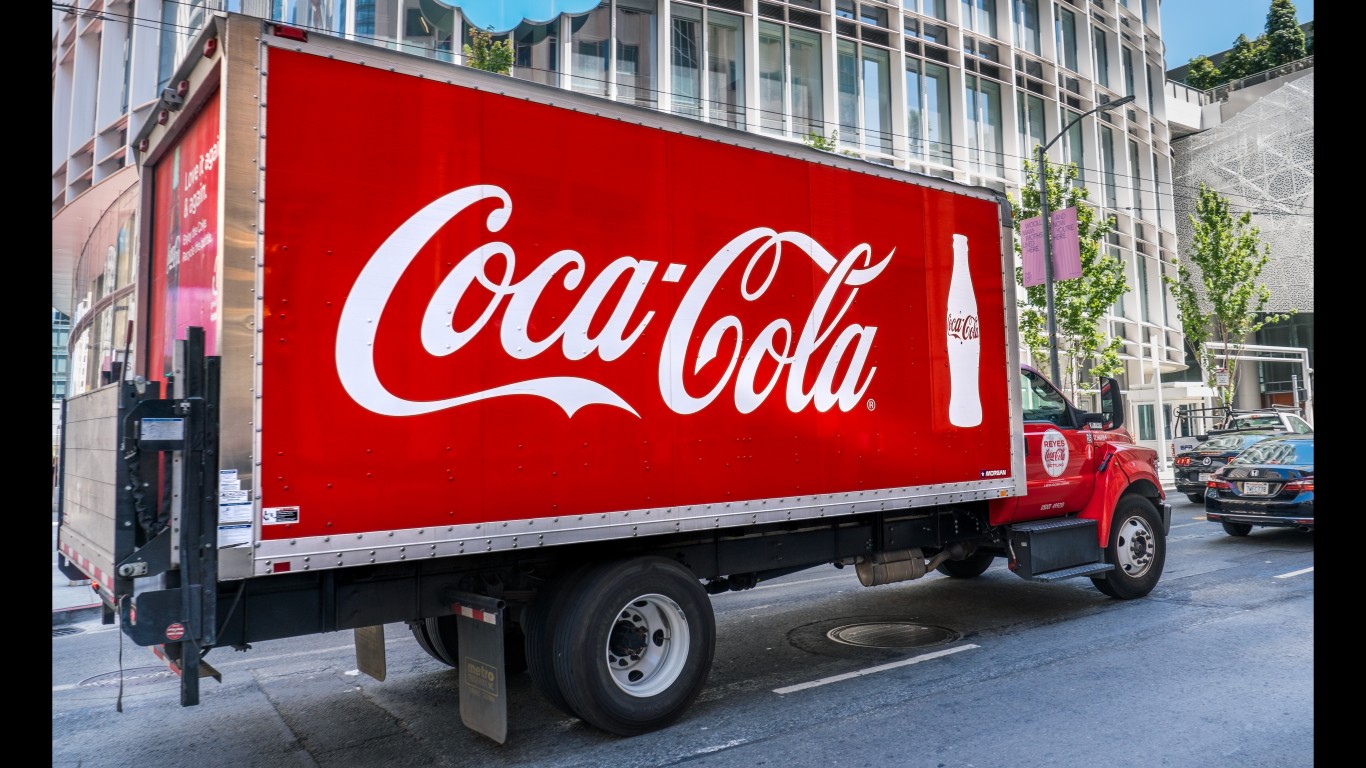
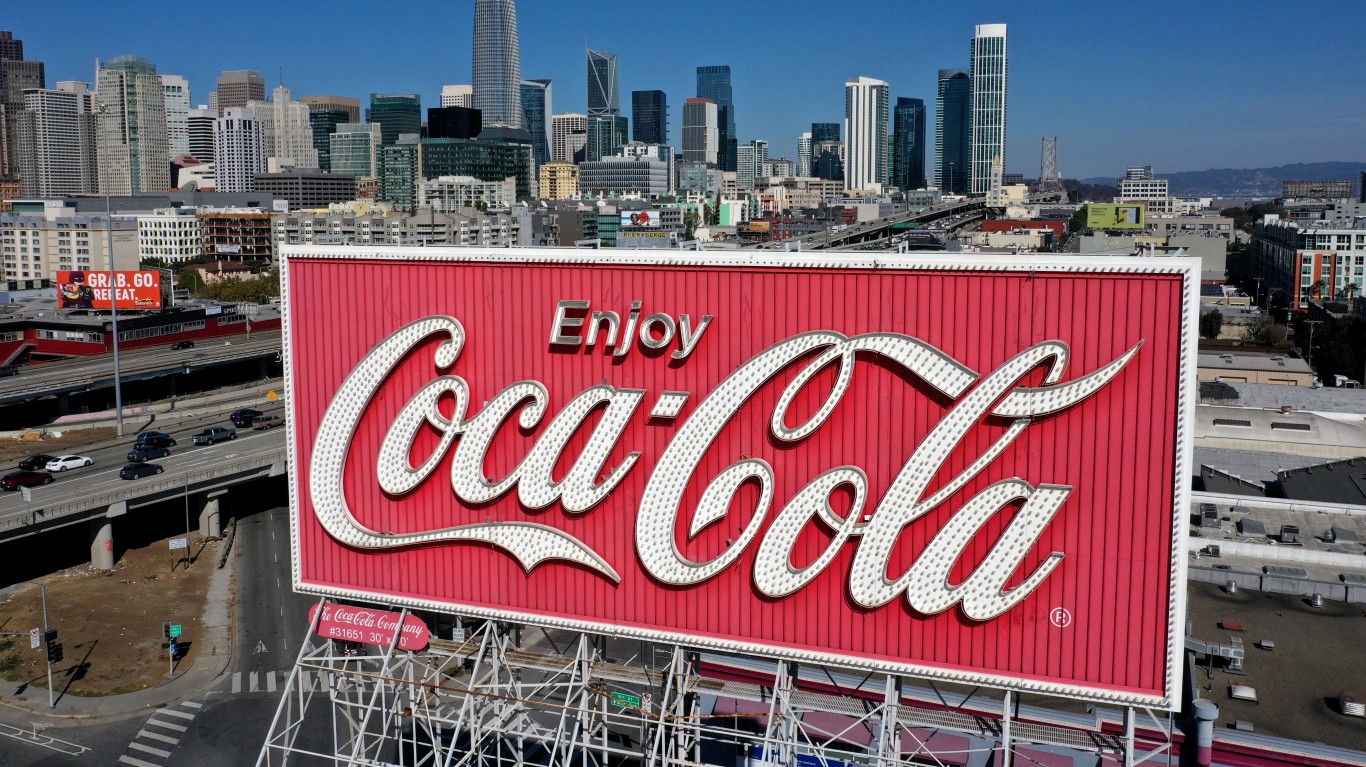
Coca-Cola (NYSE: KO | KO Price Prediction) just did what it has done for six decades running: raise its dividend. The 2026 hike lifted the quarterly payout from $0.51 to $0.53 per share, marking what the company itself calls its 64th consecutive year of dividend increases. That puts KO in rarefied Dividend King territory. Which raises the natural question for retirement-minded investors: what would $10,000 tucked into Coca-Cola stock 20 years ago be worth today?
Your $10,000 Grew Into Roughly $74,000
On a dividend-adjusted, total-return basis, Coca-Cola shares are up approximately 641% over the past 20 years, with the adjusted price rising from about $11.34 to $84.05. Applied to a $10,000 stake with dividends reinvested, that works out to roughly $74,100 today. Over a similar window, the S&P 500 delivered a 489.44% price-only gain, so KO’s total return, powered heavily by reinvested dividends, more than held its own.
The Business Behind the Streak
Coca-Cola’s moat is boring in the best way. The Atlanta giant owns or licenses Coke, Sprite, Fanta, Dasani, smartwater, Topo Chico, Powerade, BODYARMOR, Costa, Minute Maid, and fairlife. It also spent the past decade going asset-light by refranchising bottlers, which lifted margins meaningfully. In Q1 2026, operating margin expanded to 35.0% from 32.9%, revenue hit $12.47 billion, and EPS came in at $0.86. New CEO Henrique Braun said the quarter reflected “our unwavering focus on staying close to the consumer, executing locally and managing complexity.”
Why the Dividend Does the Heavy Lifting
Coca-Cola paid $8.8 billion in dividends in 2025 and generated $5.30 billion in free cash flow, with 2026 free cash flow guided to around $12.2 billion. That cash profile is what funds the raises. Over decades, reinvesting those checks compounds far more wealth than share-price appreciation alone. It is the quiet engine behind that 20-year total return.
Recent Momentum Has Been Loud
KO is up about 21.84% year to date and roughly 21.74% over the past year. Shares trade near $84.05, close to the 52-week high of $85.68, on a trailing P/E of 26 and a yield near 2.45%.
What the Track Record Does and Doesn’t Say
Two decades of compounding do not guarantee a repeat. The bull case is the same today as it was 20 years ago: a globally trusted brand, reliable cash flow, and a dividend that keeps ratcheting higher (for readers hunting names with that profile, our Dividend Kings roundup at 10 Dividend Kings to Buy Now and Hold Forever is worth a look). The bear case: shares sit near the high end of their range, currency swings and the pending Coca-Cola Beverages Africa sale add noise, and mid-single-digit organic growth will not double your money quickly. For income-focused retirees prioritizing durability, the streak still speaks for itself. Whether KO deserves its premium multiple from here is the real debate.
Contact [email protected] for any questions or corrections.
I've spent more than 15 years inside enterprise software, working alongside the finance, sales operations, and HR leaders who run the revenue engines at some of the largest tech companies in the country.
My day job is helping enterprise executives make smarter decisions about retention, compensation, and growth. These are the same operational levers that show up in every earnings report investors actually read. That perspective shapes my writing for 24/7 Wall St.
The headline numbers are easy. The interesting stuff is underneath: how companies make money, what executives are worried about, and what any of it means for the person checking their 401(k) on a Sunday afternoon. I write about personal finance and business as someone who has spent her career inside the rooms where these decisions get made.