SpaceX Mania Just Made This the Busiest Month for the Nasdaq’s Biggest ETF in 6 Years
Something strange has happened to the biggest ETF on the NASDAQ. Retail investors who a year ago could not have told you what a float-adjusted market cap was are suddenly emailing Invesco’s product team about index-inclusion methodology, because of SpaceX.…

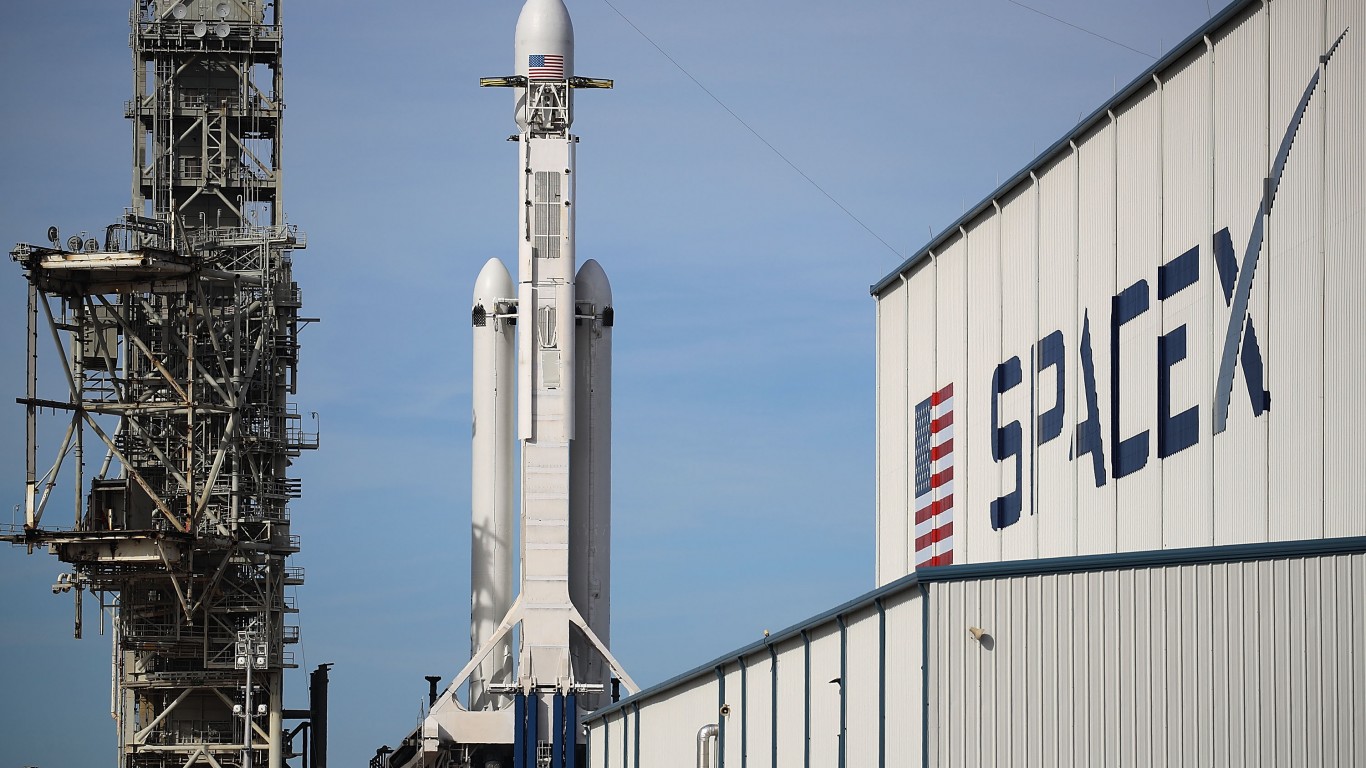
Something strange has happened to the biggest ETF on the NASDAQ. Retail investors who a year ago could not have told you what a float-adjusted market cap was are suddenly emailing Invesco’s product team about index-inclusion methodology, because of SpaceX.
Paul Schroeder, who covers Invesco QQQ Trust (NASDAQ:QQQ) and its cheaper sibling QQQM, told the Animal Spirits podcast this is one of the busiest stretches in his six years covering the product, and the driver is a very specific convergence. Elon Musk’s profile, a pre-IPO SpaceX valuation somewhere between $1.5 and $2 trillion, and a NASDAQ rule change from May that finally made it possible for a company like SpaceX to enter the Nasdaq 100 quickly after listing.
Why the Qs Are Suddenly on Fire
QQQ is up 16% year to date and 29% over the past twelve months. It closed Monday at $725.15. That is healthy performance, but the story Schroeder is telling is about flows and attention. He said QQQ and QQQM combined represent 27% of all AUM in the US large-cap growth ETF category, which is a staggering share of concentration for two products from one issuer, and interest has been “pretty consistent over the last month” versus a 2023 busy period that lasted about a week and a half. A month of steady inbound curiosity is a different animal from a news-cycle spike.
It is sustained because ordinary investors are, in real time, learning how index construction works because they want SpaceX exposure and QQQ is the plausible vehicle. Retail is essentially reverse-engineering the plumbing of passive investing, which is a first.
The Overdue Rule Change
In May, NASDAQ updated its fast-entry inclusion rules, which govern how quickly a newly public company can join the Nasdaq 100. Under the old regime a company had to season on the exchange for a full year, then wait for the next annual reconstitution. That timeline was designed for a world where companies went public at a couple billion dollars and grew up in the index. It was not designed for SpaceX, or for Stripe, or for Databricks, or for any of the private mega-caps that now list at valuations exceeding what most Nasdaq 100 constituents ever reach in their lifetimes.
Michael Batnick called the change “frankly overdue” given how long companies stay private now. He is right. The old rules would have kept the company sitting outside the benchmark most active managers are measured against for a full year after it started trading, which is absurd on its face.
Why You Will Not Swallow $2 Trillion at Once
Batnick’s more important point was structural. NASDAQ uses float-adjusted weighting, which means only shares actually available to public trading count toward index weight. Insiders, founders, and locked-up strategic holders do not. SpaceX at IPO will have Musk, employees, and pre-IPO venture holders sitting on the enormous majority of the shares outstanding, and those shares simply do not count for index purposes on day one.
So while the headline market cap might read $2 trillion, the effective index-weight market cap is a fraction of that. Batnick’s phrasing was that investors will not have to “swallow $2 trillion of Elon Musk” all at once. That is a reasonable guardrail for an unprecedented situation, and it is why the rule change is defensible instead of reckless.
What the Frenzy Signals
Retail investors piling into a passive index vehicle to get pre-IPO exposure to a company that has not yet priced is a very 2026 kind of behavior. Some of this is healthy. Index mechanics are worth understanding, and passive ownership through QQQ is a saner way to participate than chasing an IPO-day pop. Some of it is froth.
When a product’s fund flows are being driven by anticipation of a single constituent rather than the composition of the other ninety-nine, you are watching sentiment do work that fundamentals used to do. Both things can be true at once, and both are worth watching.
Contact [email protected] for any questions or corrections.
Omor Ibne Ehsan is a writer at 24/7 Wall St. He is a self-taught investor with a focus on growth, cyclical, and dividend equities that have strong fundamentals, value, and long-term potential. He also has an interest in high-risk, high-reward investments such as penny stocks.