Oil Is Spiking and the Iran Ceasefire Is Cracking: What It Means for Your Stocks
The US-Iran ceasefire is fracturing, Brent is climbing, and energy stocks are repricing fast. Whether this is a temporary spike or the beginning of a sustained oil shock will reshape the Fed's next move and every duration-sensitive position in your…

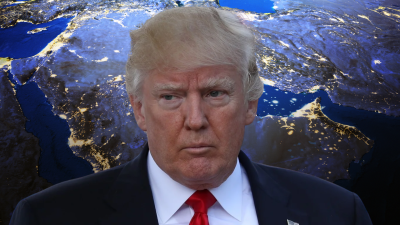
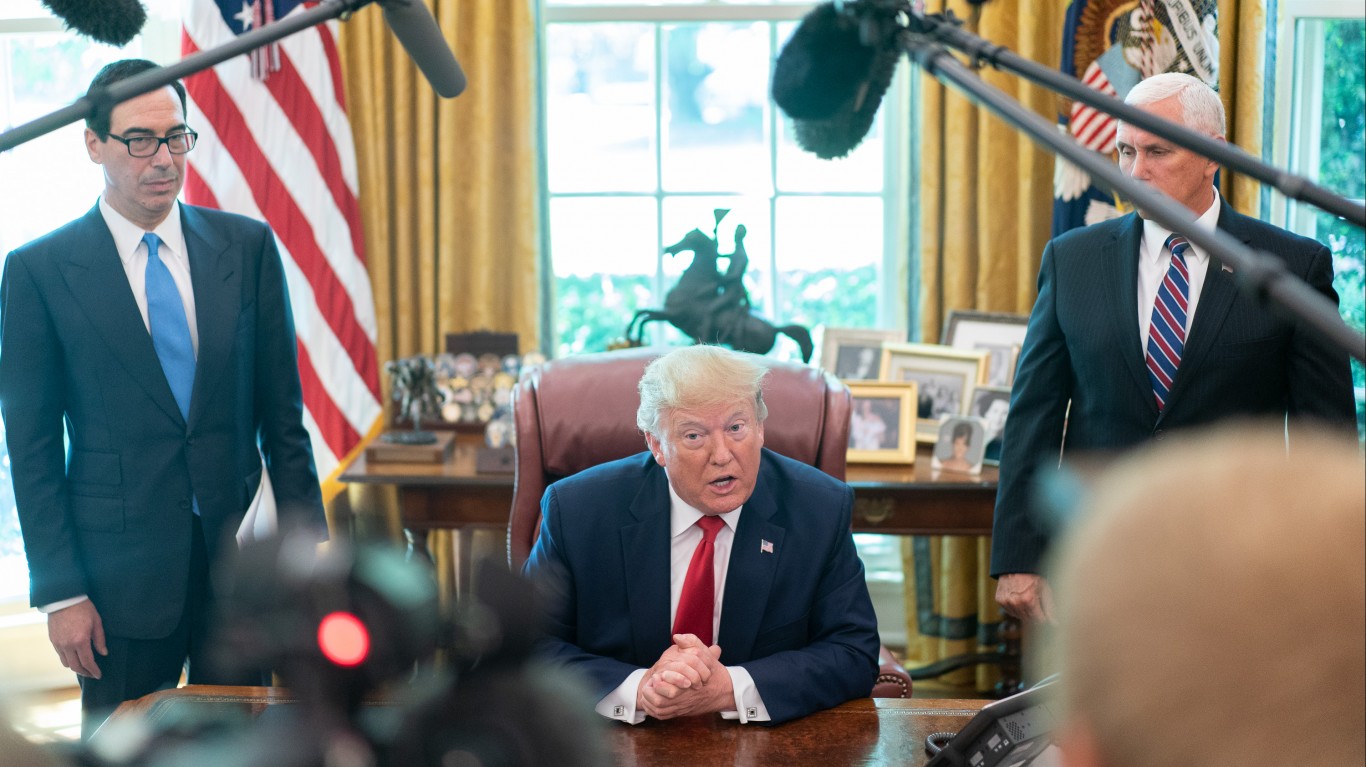
Less than a month in, the US-Iran ceasefire is starting to look like a pause between rounds. Earlier this week, Washington struck more than 80 Iranian targets in response to attacks on three commercial vessels in the Strait of Hormuz, the US Treasury revoked the sanctions waiver that had allowed Iranian oil sales, and Tehran claims it hit back at US bases in Kuwait and Bahrain. Brent climbed 2.7% to $76 a barrel on the news, as reported on Bloomberg’s Daybreak Europe by Abeer Abu Omar.
For a market that had spent the spring pricing in a return to normal after Brent touched $138.21/bbl on April 7, the message is clear. The risk premium is not going anywhere.
The Escalation and Why It Matters Now
Before the waiver was pulled, Iran was moving roughly 1% to 2% of global oil supply. That volume now goes offline. LNG traffic has largely stopped transiting the Strait on shipping caution, which rattles the tanker market. The EIA’s May Short-Term Energy Outlook already flagged this scenario, warning that even after flows resume, it will take until late 2026 or early 2027 for most pre-conflict production and trade patterns to resume.
Camille de Courcel of BNP Paribas argued there is “no return to pre-war levels” for oil, and that is precisely why central banks remain cautious.
Energy Stocks Are Repricing the Risk Premium
Chevron (NYSE:CVX | CVX Price Prediction) is up 3.7% over the past 5 days, trading around $174.7. That reaction sits atop a Q1 in which CEO Mike Wirth flagged “heightened geopolitical volatility and related supply disruptions,” and Chevron delivered adjusted EPS of $1.41, beating expectations of $0.97. Chevron has direct exposure to Israel through its Tamar and Leviathan gas fields, so the headline risk cuts both ways.
Exxon Mobil (NYSE:XOM) is flat over the past 5 days and 31.56% higher over the past year. Exxon absorbed a $706 million hit tied to Middle East supply disruptions in Q1, disclosed in its May 8-K filing, and CEO Darren Woods argued the company is “built to perform through disruption and across market cycles.” On Reddit’s r/wallstreetbets, retail sentiment on XOM has been running bullish in 7 of 9 snapshots this week, concentrated in a thread titled “What is going on with Oil prices?”
ConocoPhillips (NYSE:COP) yanked Qatar from its 2026 guidance, a 20 MBOED annual adjustment. The stock is up 3.9% over the past week. Pure-play upstream names carry the cleanest leverage to Brent staying north of $80, though they also carry operational headaches when tankers stop moving.
The counter-play is Marathon Petroleum (NYSE:MPC), whose crude sourcing is “insulated from ongoing Middle East supply pressures.” Marathon is up 69.6% year to date, and Q1 blended refining margins expanded to $17.74 per barrel from $13.38 a year earlier. Refiners gain wider crack spreads when input volatility punishes competitors who cannot pivot.
Then there is Cheniere Energy (NYSE:LNG), which raised 2026 EBITDA guidance to $7.25 to $7.75 billion after exporting a record 187 LNG cargoes in Q1. CEO Jack Fusco argued, “the elevated volatility in global energy markets today further signals the need for additional investment in reliable, secure LNG capacity.” The stock is up 6.69% this week alone.
What This Does to the Rate-Cut Story
The Fed has held at up to 3.75% since December 10, 2025, seven months of patience while inflation refused to fully behave. The energy component of PCE ran 24.26% year-over-year in May 2026, a stunning swing from the -3.77% deflation posted in May 2025. Headline PCE is now at 4.07% YoY. Core PCE, at 3.41%, lets doves sleep, arguing the shock is an energy story rather than a wage story. That argument holds only if oil comes down. If Brent camps above $80 and gasoline climbs off the recent $3.78 print, the case for further cuts thins fast. The 10-year Treasury already reflects this.
Watch two things into the back half of July. First, whether Iran actually loses its export flows or finds another gray-market outlet, because that determines how tight the barrel math gets. Second, whether the Fed’s July meeting language shifts on energy pass-through. A ceasefire that cracks moves oil and the entire duration trade underneath every stock in your portfolio.
Contact [email protected] for any questions or corrections.
Omor Ibne Ehsan is a writer at 24/7 Wall St. He is a self-taught investor with a focus on growth and cyclical stocks that have strong fundamentals, value, and long-term potential. He also has an interest in high-risk, high-reward investments such as cryptocurrencies and penny stocks.