Iranian Oil Is About to Flood the Market. Has the Fed’s Biggest Pressure Valve Been Released?
Inflation has been the market’s dominant concern. While investors spent much of the past year focused on artificial intelligence, earnings growth, and record-high stock prices, the conversation has been overshadowed by rising consumer costs and the Federal Reserve’s response. Energy…


Inflation has been the market’s dominant concern. While investors spent much of the past year focused on artificial intelligence, earnings growth, and record-high stock prices, the conversation has been overshadowed by rising consumer costs and the Federal Reserve’s response.
Energy prices sit at the center of that debate. Oil surged above $100 a barrel after the Iran war disrupted shipping through the Strait of Hormuz, helping push inflation expectations higher and increasing fears that the Fed could be forced to raise interest rates. Now a surprising development may be changing that outlook.
The U.S. government this morning formally waived oil sanctions on Iran for a two-month period as nuclear negotiations continue in Switzerland. The waiver remains in effect through Aug. 21, and the U.S. Treasury Department issued a general license authorizing the production, delivery, and sale of Iranian crude oil. It marks the first major easing of restrictions on Iranian oil exports since the U.S. withdrew from the nuclear agreement in 2018.
A Major New Source of Supply Enters the Market
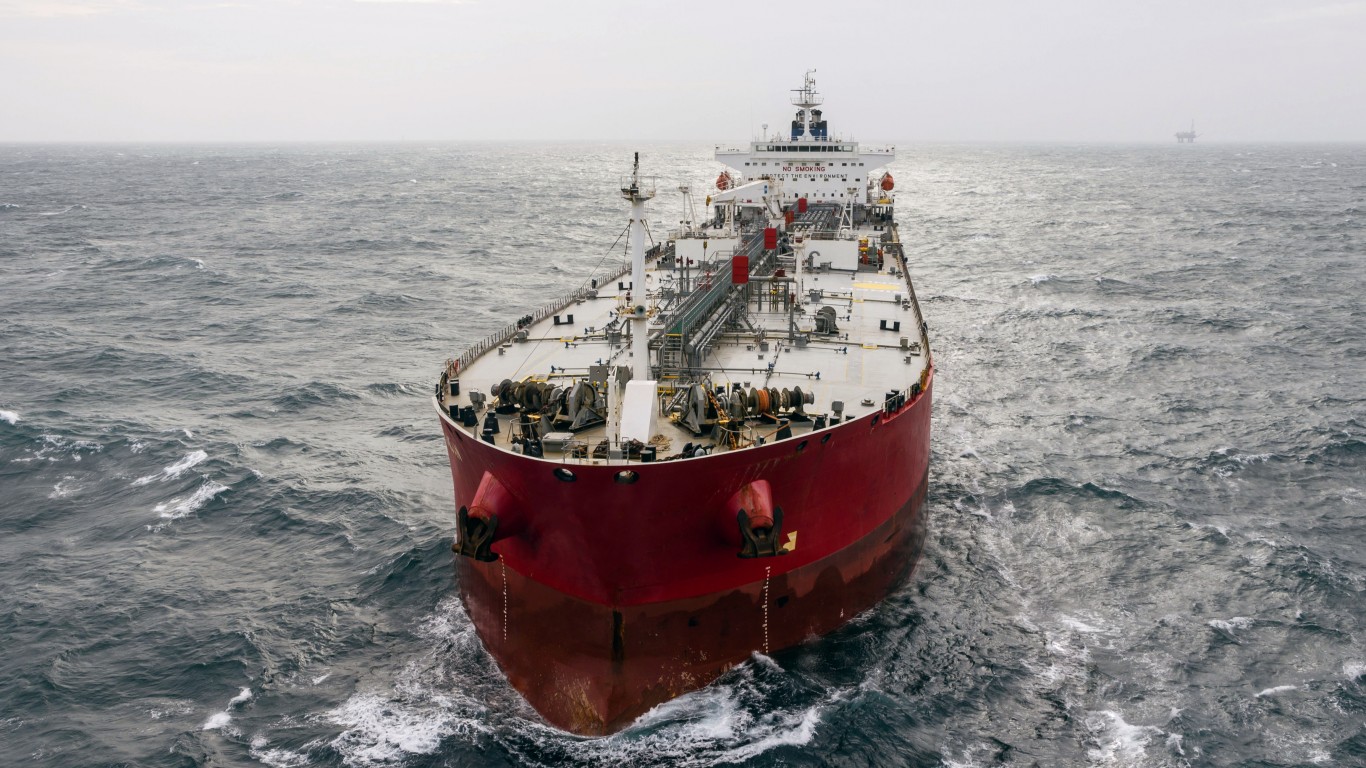
Oil markets reacted quickly. Brent crude fell below $78 per barrel while West Texas Intermediate crude dropped below $74. Those prices remain roughly 30% higher than they were before hostilities disrupted shipping routes in the Persian Gulf, but the direction of travel matters more than the current level.
Iran possesses some of the world’s largest oil reserves and, before sanctions tightened, exported more than 2 million barrels of oil per day. The Treasury waiver does not instantly restore those volumes, but it opens the door for Iranian crude to return to global markets over time.
Because energy markets have been operating under the assumption that supply would remain constrained throughout much of 2026, traders are now forced to consider the possibility that additional barrels could arrive just as demand growth begins to moderate.
Granted, it will take months for shipping patterns through the Strait of Hormuz to normalize. Insurance costs, transportation bottlenecks, and geopolitical uncertainty remain factors. The peace talks themselves are an on again, off again affair. Even so, the market is beginning to price in a future with more supply and less scarcity.
Why the Fed Is Watching Oil So Closely
For Federal Reserve Chair Kevin Warsh, inflation remains the primary concern. Recent inflation reports have shown energy costs contributing heavily to upward price pressure. Gasoline prices influence everything from household budgets to transportation costs and business expenses. When oil rises, inflation often follows.
Markets have increasingly priced in the possibility that the Fed may need to raise interest rates to prevent inflation from becoming entrenched. Higher rates would increase borrowing costs for consumers and businesses while creating additional pressure on stock valuations. That scenario becomes less likely if energy prices continue declining.
The Pressure Valve Investors Have Been Waiting For?
The Treasury Department’s decision may have handed policymakers an unexpected ally in the fight against inflation.
If Iranian oil exports steadily increase and Brent crude continues moving lower, the largest contributor to recent inflation pressures could begin working in the opposite direction. Lower energy costs would eventually filter through supply chains, transportation networks, and consumer spending.
Surprisingly, the Fed may not need to do anything at all if oil prices continue falling on their own. That doesn’t mean rate hikes are off the table. Inflation remains above the central bank’s target, and any breakdown in negotiations with Iran could quickly reverse the recent decline in oil prices. The Strait of Hormuz also remains a critical chokepoint for global energy supplies.
Still, investors should recognize that one of the biggest inflation drivers is once again moving in the right direction.
Key Takeaway
In short, the Treasury Department’s temporary sanctions waiver represents the most meaningful reopening of Iranian oil exports since 2018, and markets are already responding. If peace talks continue progressing and Iranian crude reaches global buyers in larger volumes, energy prices could retreat further. That would ease inflation pressure at a time when Warsh has identified inflation as the central bank’s biggest challenge.
Ultimately, falling oil prices won’t solve every inflation problem, but they could release enough pressure to reduce the urgency for additional Fed rate hikes — and that would be welcome news for both consumers and investors.
Contact [email protected] for any questions or corrections.
After two decades of patrolling the dark corners of suburbia as a police officer, Rich Duprey hung up his badge and gun to begin writing full time about stocks and investing. For the past 20 years, he’s been cruising the markets looking for companies to lock up as long-term holdings in a portfolio while writing extensively on the broad sectors of consumer goods, technology, and industrials. Because his experience isn’t from the typical financial analyst track, Rich is able to break down complex topics into understandable and useful action points for the average investor. His writings have appeared on The Motley Fool, InvestorPlace, Yahoo! Finance, Money Morning, and, of course, 24/7 Wall St. He has been featured in both U.S. and international publications, including MarketWatch, Financial Times, Forbes, Fast Company, and USA Today.