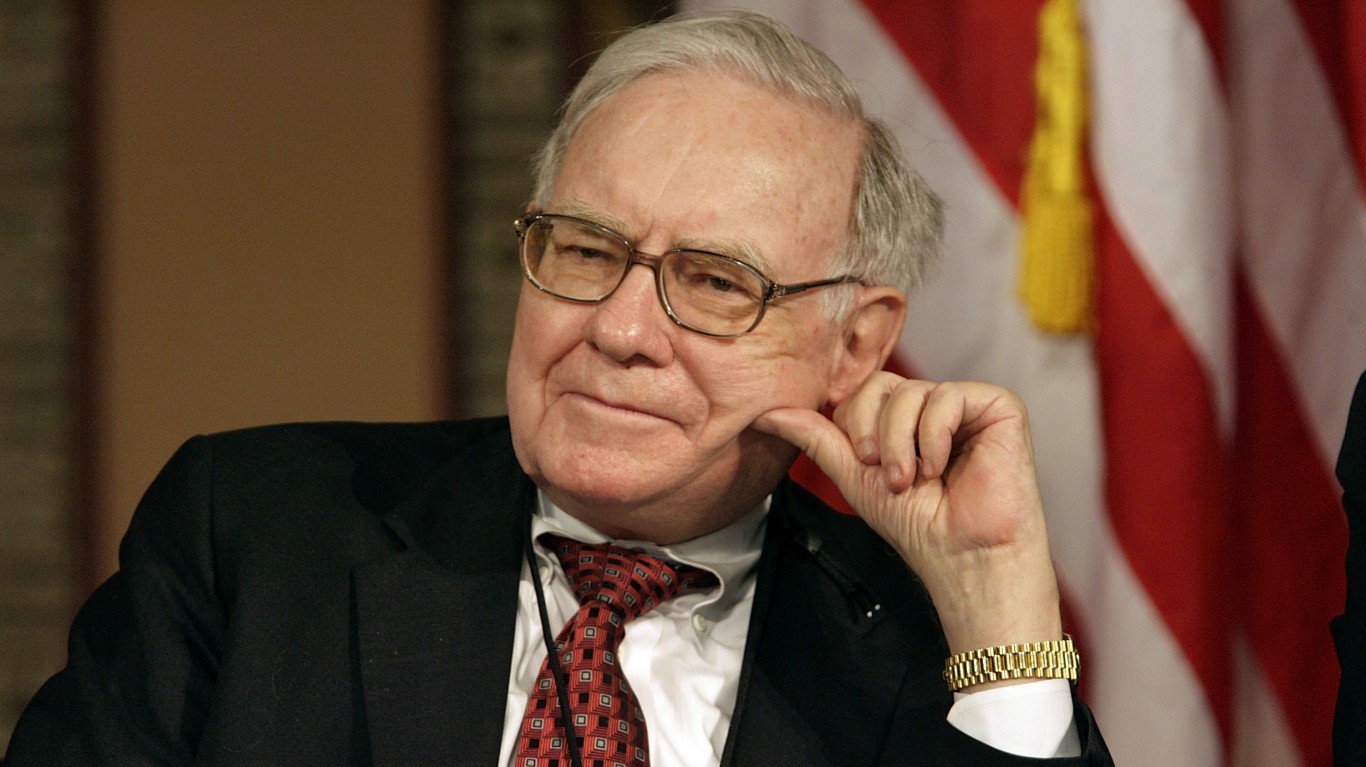
Warren Buffett Plans to Dump All His Berkshire Hathaway Stock. Should You Still Hold?
Warren Buffett just set a firm deadline to hand off every share he owns in Berkshire Hathaway, and the move looks alarming until you understand what is actually driving it.

This post may contain links from our sponsors and affiliates, and Flywheel Publishing may receive compensation for actions taken through them.
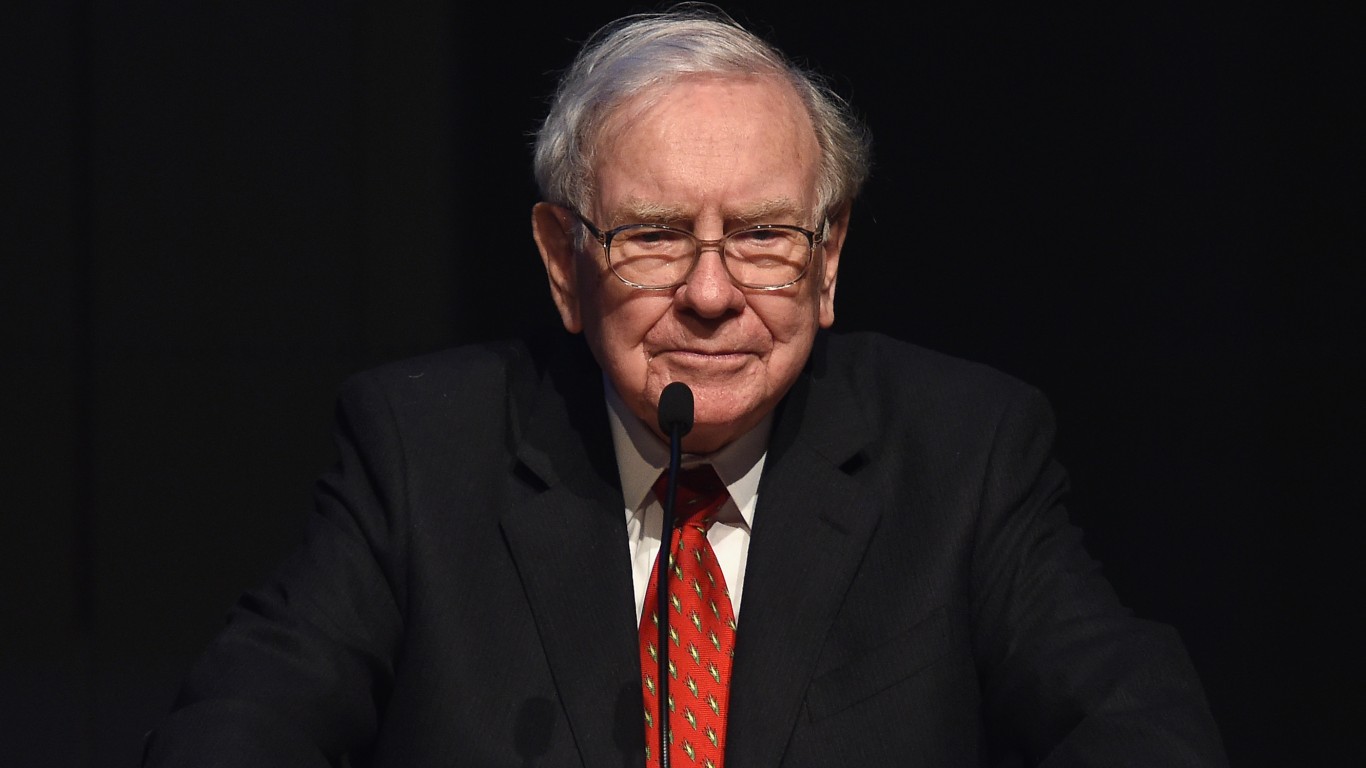
Few investors have shaped the stock market the way Warren Buffett has. For six decades, Berkshire Hathaway (NYSE:BRK-A | BRK-A Price Prediction)(NYSE:BRK-B) transformed from a struggling textile manufacturer into a conglomerate worth well over $1 trillion, rewarding shareholders with one of the greatest long-term investment records in history. As Buffett has handed leadership of Berkshire to Greg Abel, investors have asked whether Berkshire Hathaway without the Oracle of Omaha at the helm is still worth investing in.
This week, Buffett provided another piece of that answer. In a note accompanying Berkshire Hathaway’s latest charitable donations, he revealed that all of his remaining Berkshire shares will be gone by Dec. 31, 2034. That sounds dramatic. Yet surprisingly, it says far more about Buffett’s estate planning than it does about Berkshire’s investment prospects.
Buffett Left Berkshire — Not His Faith In It
According to Berkshire Hathaway’s news release yesterday, Buffett converted 8,000 Class A shares into 12 million Class B shares and donated them to four charitable organizations. The largest recipient was the Susan Thompson Buffett Foundation with 9 million shares, while the Sherwood Foundation, Howard G. Buffett Foundation, and NoVo Foundation each received 1 million shares. After the donation, Buffett still owned 188,290 Class A shares and 1,162 Class B shares.
More importantly, Buffett laid out his long-term plan. He wrote that his goal is to dispose of all his Berkshire shares “within about eight years” and that, regardless of what happens, every remaining share will be donated to those four foundations by Dec. 31, 2034.
Buffett isn’t selling because he expects Berkshire to struggle. He’s donating shares as part of a philanthropic strategy he has discussed for years. Ownership is changing hands — not because Berkshire is broken, but because Buffett intends to give away nearly his entire fortune.
Berkshire Is Built to Outlast Buffett
Granted, Berkshire without Buffett feels unfamiliar. Yet the company today bears little resemblance to the Buffett-centric organization of decades past.
Greg Abel is now leading Berkshire, while the conglomerate owns dozens of operating businesses spanning insurance, energy, railroads, manufacturing, retail, and services. It also maintains one of the strongest balance sheets in corporate America, with $397.4 billion in cash.
Berkshire’s enormous cash position gives management unusual flexibility during recessions and market panics. Historically, Buffett has used those periods to acquire businesses and invest at attractive prices. That playbook doesn’t disappear simply because ownership gradually shifts to charitable foundations.
Conversely, investors should expect those foundations to sell shares over time to fund their charitable work. That creates periodic supply, but it won’t happen all at once. Buffett’s timeline stretches through 2034, allowing distributions to occur gradually rather than flooding the market with stock.
Key Takeaway
In short, Buffett’s announcement should not be mistaken for a sell signal. The legendary investor is 95 years old and exiting ownership because of philanthropy, not because he believes Berkshire’s best days are behind it. The company remains a diversified collection of high-quality businesses, backed by hundreds of billions of dollars in liquidity and a leadership team Buffett planned for years.
That said, Berkshire now trades more on Abel’s execution than Buffett’s reputation. Investors should continue monitoring his capital allocation, acquisitions, and operating performance over the coming years.
Ultimately, though, Buffett’s decision to give away every remaining share says more about his legacy than Berkshire’s future. For long-term shareholders, that’s an important distinction — and one that argues for evaluating Berkshire on its fundamentals rather than on the name at the top of the shareholder register.
Contact [email protected] for any questions or corrections.
After two decades of patrolling the dark corners of suburbia as a police officer, Rich Duprey hung up his badge and gun to begin writing full time about stocks and investing. For the past 20 years he’s been cruising the markets looking for companies to lock up as long-term holdings in a portfolio while writing extensively on the broad sectors of consumer goods, technology, and industrials. Because his experience isn’t from the typical financial analyst track, Rich is able to break down complex topics into understandable and useful action points for the average investor. His writings have appeared on The Motley Fool, InvestorPlace, Yahoo! Finance, and Money Morning. He has been featured in both U.S. and international publications, including MarketWatch, Financial Times, Forbes, Fast Company, and USA Today.