One of Texas’s Poorest Towns Just Bet $211 Million on the Company Behind the Daring Rescue in Hormuz
A desperately poor Texas border county just handed a nine-figure tax break to a defense startup most people have never heard of, and a dramatic rescue near one of the world's most dangerous waterways may have just justified every penny…

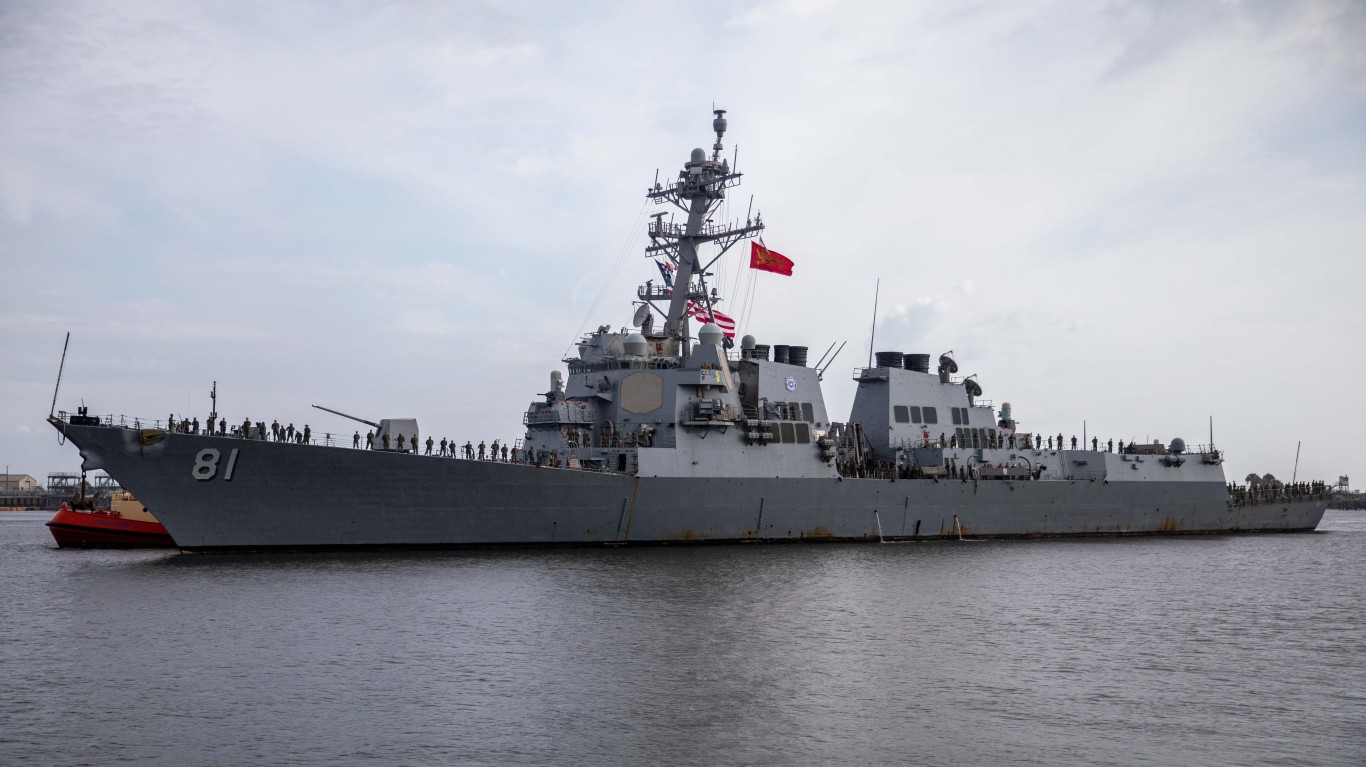
Cameron County, Texas, one of the poorest regions in the United States, approved a $211 million tax break to lure Saronic Technologies, an Austin-based maker of autonomous vessels, to build a next-generation shipyard called Port Alpha at the Port of Brownsville. Days later, one of Saronic’s AI-guided boats reportedly pulled off a first-of-its-kind rescue near the Strait of Hormuz, validating the county’s bet in real time.
The Money on the Table
According to the Rio Grande Guardian and the Texas Tribune, Cameron County approved a tax abatement package worth $211 million, structured as a 95% abatement over 20 years, anchoring Saronic’s planned $3.2 billion investment in the region. Statewide per-capita income sits at $69,762, and the Rio Grande Valley trails well below that. For a county this poor, the numbers are staggering: a nine-figure incentive to a private company tied to a project leaders hope will reshape the local economy.
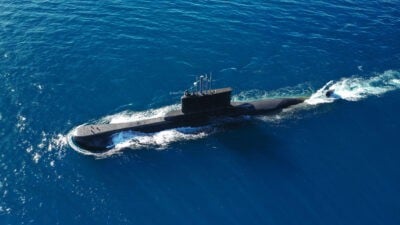
Saronic has become one of the fastest-rising builders of autonomous, AI-guided surface vessels, including a craft called the Corsair. Port Alpha, as reported by Click2Houston, would be built on 835 acres at the Port of Brownsville, with room to expand to roughly 4,400 acres. The company frames it as a shipyard designed from the ground up to mass-produce unmanned boats rather than retrofit traditional yards for the drone era.
The Jobs Pitch
Saronic and the county project 10,000 jobs over 10 years, broken down as 7,401 production and maintenance positions, 1,200 engineering and design roles, 700 administrative and support jobs, and 699 in research and development. County officials also floated a projected $160 billion regional economic impact, an eye-popping figure for the Brownsville area. Construction is slated to begin in 2026, with operations targeted for 2028.
What Happened Near Hormuz
According to gCaptain and The Texan, one of Saronic’s autonomous vessels helped rescue two crew members from a U.S. Army helicopter shot down near the strait. It was reportedly the first publicly known personnel recovery carried out by an unmanned surface vessel, a milestone that elevated Saronic from promising startup to a company whose technology has been validated under fire. The pitch had always been that these boats could do dangerous work without risking human crews. Near Hormuz, that pitch stopped being theoretical.
A single successful operation shows the technology can work in a high-stakes scenario. It does not guarantee that a $3.2 billion shipyard gets built on schedule, that 10,000 jobs materialize, or that a $160 billion economic impact is anything more than an optimistic projection. Defense-tech valuations and government incentives have a long history of outrunning results.
The Local Pushback
Not everyone is celebrating. Local residents have questioned the size of the tax break and the wisdom of committing so much to a single company, especially in a region where public resources are stretched thin. A 95% abatement over two decades means the county forgoes substantial tax revenue in exchange for a promise of future growth, a trade that looks brilliant if Saronic delivers and painful if it does not.
Cameron County is wagering that a defense-tech startup will do for Brownsville what oil once did for other Texas towns. The Hormuz rescue gave that wager a vote of confidence at exactly the right moment. Whether it pays off will not be clear until the cranes go up in 2026 and the first autonomous hulls roll out in 2028.
Contact [email protected] for any questions or corrections.
I've spent more than 15 years inside enterprise software, working alongside the finance, sales operations, and HR leaders who run the revenue engines at some of the largest tech companies in the country.
My day job is helping enterprise executives make smarter decisions about retention, compensation, and growth. These are the same operational levers that show up in every earnings report investors actually read. That perspective shapes my writing for 24/7 Wall St.
The headline numbers are easy. The interesting stuff is underneath: how companies make money, what executives are worried about, and what any of it means for the person checking their 401(k) on a Sunday afternoon. I write about personal finance and business as someone who has spent her career inside the rooms where these decisions get made.