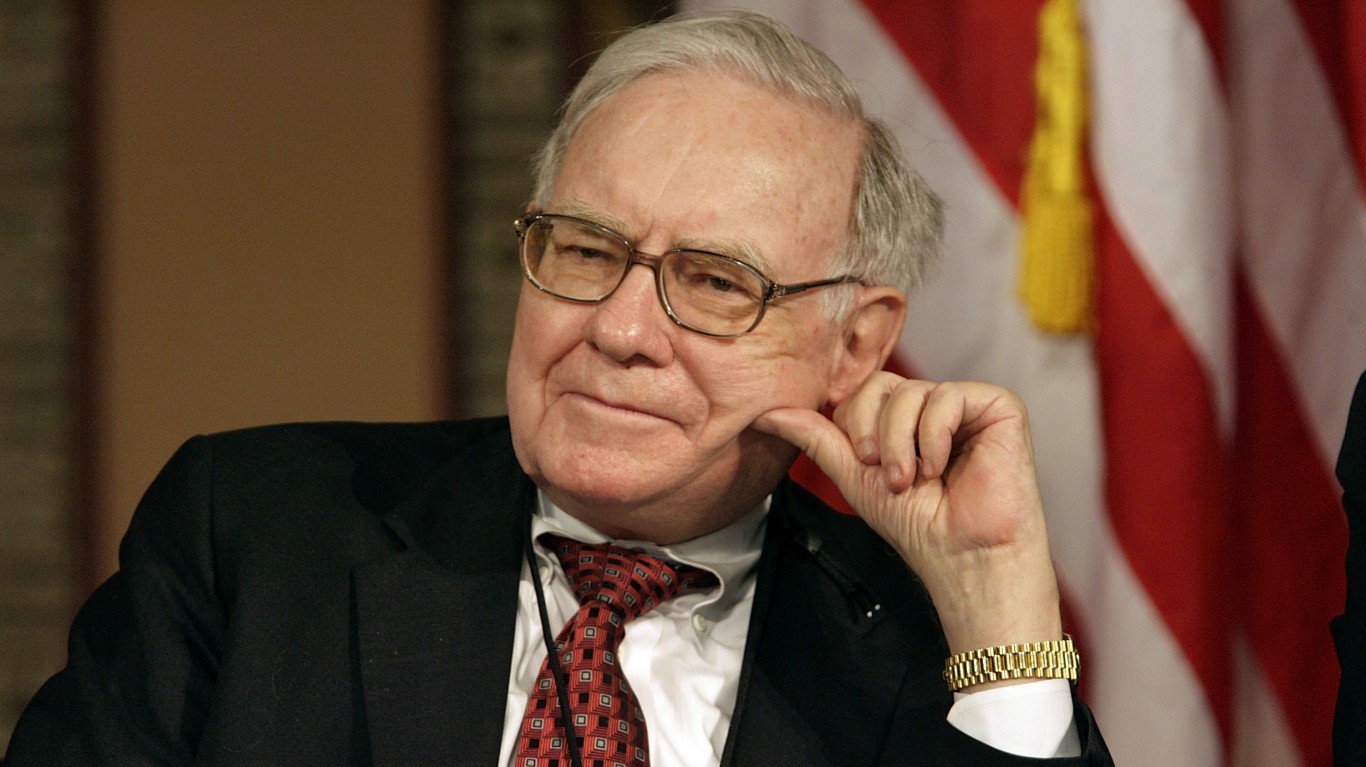
Elon Musk Could Become the World’s First Trillionaire. Here Are 10 Absurd Things $1 Trillion Could Buy
A trillion dollars is the kind of figure investors see attached to federal deficits, megacap tech valuations, sovereign wealth funds, and Wall Street’s biggest market-moving bets. It gets repeated so often that the number can start to feel abstract. But…

This post may contain links from our sponsors and affiliates, and Flywheel Publishing may receive compensation for actions taken through them.

A trillion dollars is the kind of figure investors see attached to federal deficits, megacap tech valuations, sovereign wealth funds, and Wall Street’s biggest market-moving bets. It gets repeated so often that the number can start to feel abstract. But put $1 trillion into everyday terms, and the scale becomes almost impossible to process. A million seconds is roughly 11.6 days. A billion seconds is about 31.7 years. A trillion seconds is more than 31,000 years.
That is the level of money we are talking about. It is not just billionaire wealth taken to another level. It is enough capital to buy corporate giants, fund futuristic space ambitions, assemble massive gold reserves, build fleets of luxury aircraft, or reshape the sports and entertainment world. This slideshow looks at 10 outrageous things you could theoretically buy with $1 trillion, using real-world price anchors to show just how enormous that figure really is.
Your Own Space Program
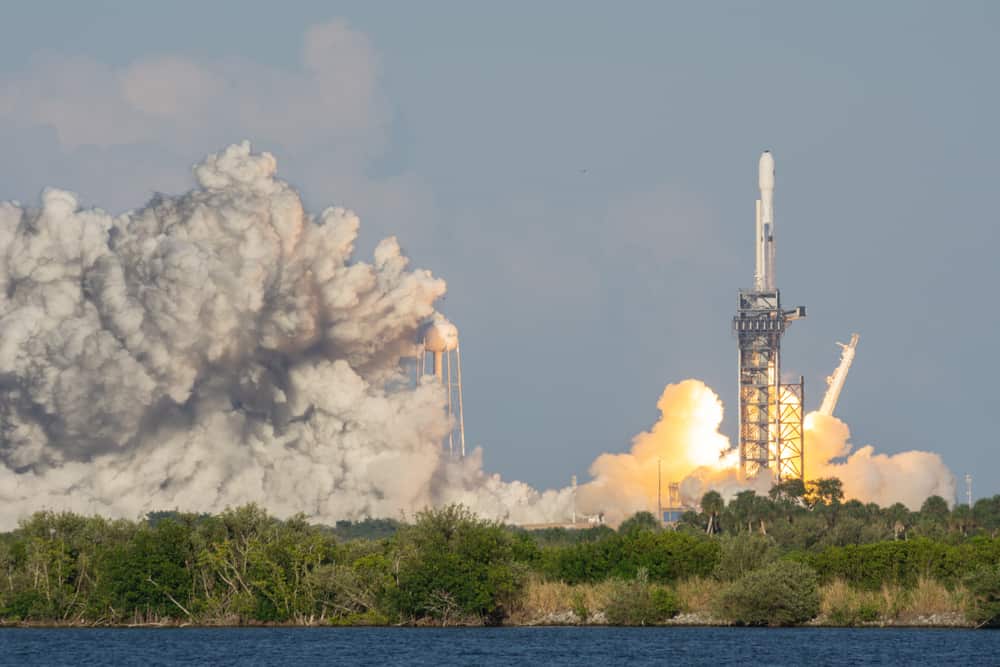
A trillion dollars would not just buy rockets. It would buy something much rarer: time, redundancy, and institutional permanence. NASA’s fiscal 2025 budget request was $25.4 billion, which means $1 trillion could fund nearly four decades of NASA-scale spending before the bank account hit zero. That is the difference between a splashy billionaire moonshot and a real space program. With that kind of capital, you could finance lunar bases, Mars transport systems, launch infrastructure, astronaut training, satellite networks, asteroid defense, and deep-space probes without begging Congress or public markets every few years. The real power is not one spectacular launch. It is the ability to keep funding the boring, expensive work after the cameras leave.
Aerospace is a graveyard of overruns, delays, exploded hardware, and optimistic timelines. A trillion-dollar balance sheet turns those problems from existential threats into line items. It could bankroll multiple private contractors at once, build launch sites, buy testing facilities, and carry failures that would cripple a normal company. In Wall Street terms, this is not a vanity project. It is a fully capitalized industrial policy with its own propulsion lab. You would not be buying a rocket. You would be buying the right to compete with governments.
The Entire NFL, Several Times Over
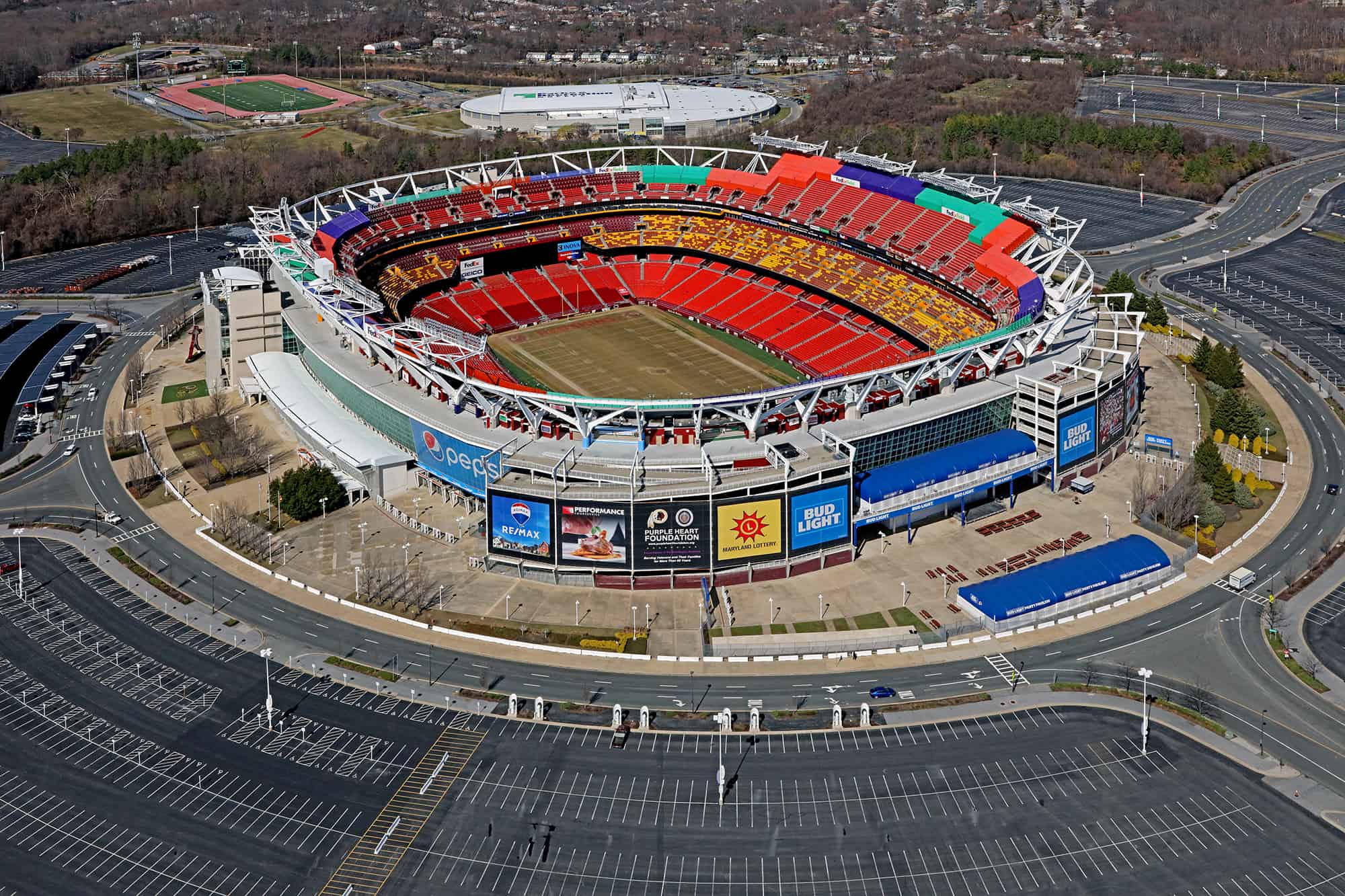
Professional football is already one of the most valuable asset classes in American sports, and $1 trillion would still make the league look undercapitalized. Forbes’ 2025 NFL valuations put every team above $5 billion, with the Dallas Cowboys at about $13 billion. Even if the average franchise were valued around $7 billion to $8 billion, buying all 32 teams would land somewhere in the mid-$200 billion range before control premiums, legal friction, and owner egos. In other words, $1 trillion could theoretically buy the entire NFL several times over, at least on paper. The better comparison is that you would not just own the teams. You would own a cultural utility with stadiums, media rights, sponsorship machines, real estate, and one of the most dependable appointment-viewing products left in entertainment.
This is why NFL teams rarely trade like ordinary businesses. They are scarce, protected, politically connected, and almost impossible to replicate. A trillion dollars could absorb even absurd premiums and still leave hundreds of billions for stadium renovations, streaming rights, international expansion, and enough lobbying muscle to make antitrust lawyers sweat. The funny part is that the league might still say no. That is how valuable scarcity becomes when billionaires are the bidders.
A Fleet of 3,418 Dreamliners

A Boeing 787-10 Dreamliner has been widely cited at a list price of roughly $338 million, even though real airline customers often negotiate large discounts. Use the sticker price anyway, because the math is more fun. At that level, $1 trillion could buy about 2,955 brand-new 787-10s. If you used a lower blended 787 price closer to $292 million for the 787-9, the number rises to roughly 3,400 aircraft. Either way, you are no longer building an airline. You are building an aviation superpower. For context, the largest commercial airlines in the world operate fleets measured in the hundreds, not the thousands of wide-body Dreamliners. A trillion-dollar aircraft order would swamp manufacturing capacity, reshape Boeing’s backlog, pressure engine makers, and probably require its own financing arm, maintenance network, pilot pipeline, parts inventory, and airport strategy.
The jets are only the cover charge. Operating them would mean fuel hedging, route rights, gate access, crews, insurance, and maintenance spending on a scale that looks more like national infrastructure than corporate capex. From a Wall Street perspective, the purchase price is almost the easy part. The real absurdity is that $1 trillion buys the hardware for an airline larger than the market could sensibly absorb. You could own the planes. The hard part would be finding enough profitable routes to justify them.
A Skyline of Burj Khalifas
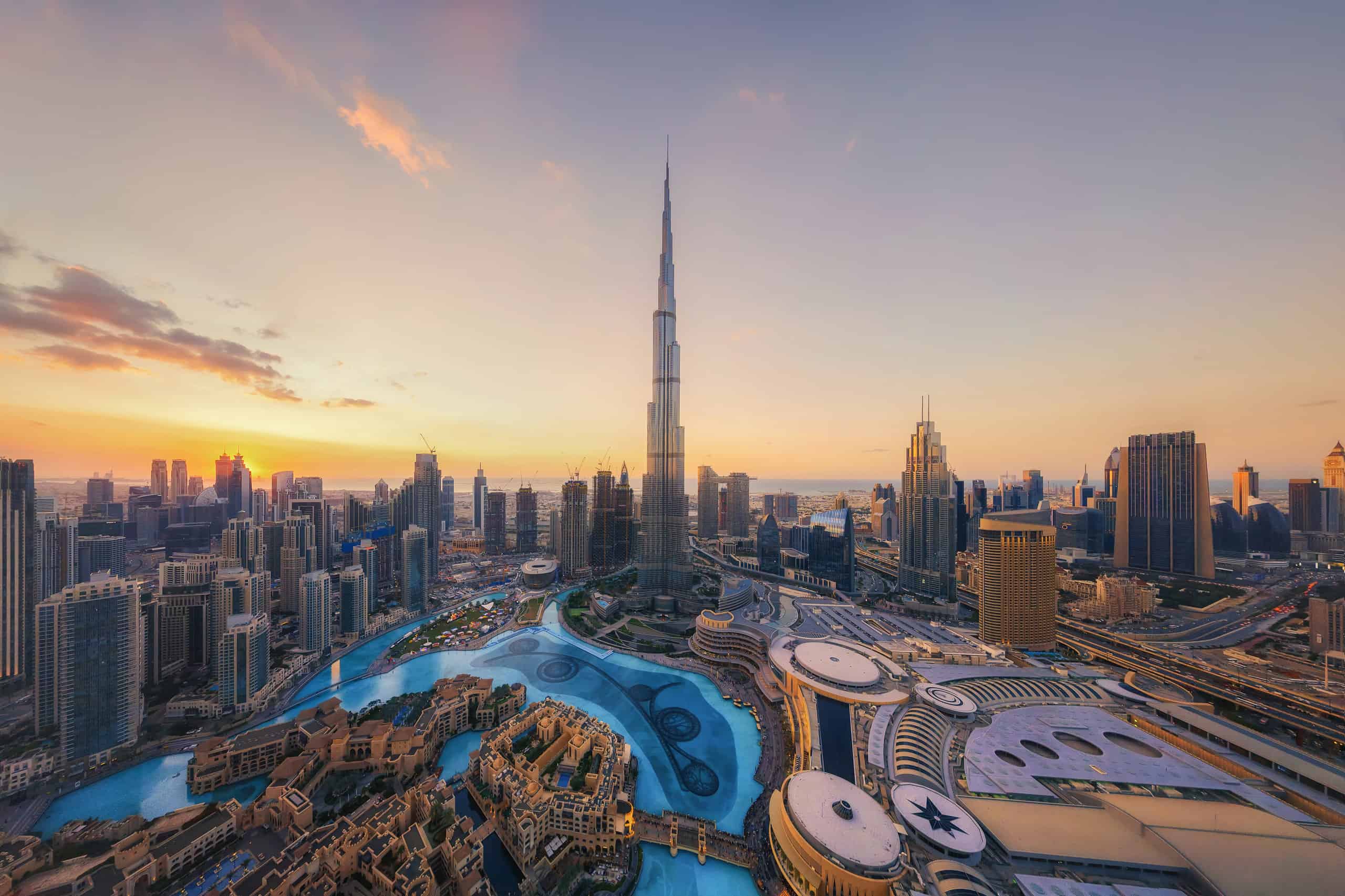
The Burj Khalifa reportedly cost about $1.5 billion to build, which makes it almost quaint in trillion-dollar math. At that benchmark, $1 trillion could theoretically fund more than 660 Burj Khalifa-scale towers. Of course, no city needs 660 of the world’s tallest building. That is exactly the point. A trillion dollars poured into trophy skyscrapers would stop being real estate development and start becoming a macroeconomic event. You would need land, permits, steel, concrete, architects, engineers, elevators, lenders, tenants, power, water, transit, and a level of urban planning usually reserved for sovereign governments.
The original Burj Khalifa worked partly because it anchored a broader district, including luxury housing, hotels, retail, and tourism. Multiply that by hundreds and you are not creating a skyline. You are manufacturing several Dubais worth of vertical real estate. Wall Street would immediately ask the boring question that ruins every billionaire fever dream: who leases all this space? Trophy buildings can create brand value, but empty luxury towers are just capital tied up in glass. With $1 trillion, you could buy architectural dominance on a planetary scale. Whether it would produce acceptable returns is another matter entirely. It is the ultimate reminder that capex and value creation are not the same thing.
A Global Chain of Louvre-Level Museums

The Louvre Abu Dhabi was a billion-dollar cultural bet, with construction and brand-rights economics that showed how expensive prestige can get when a government wants instant global credibility. Use $1 billion as the working price for a world-class museum, and $1 trillion could fund roughly 1,000 Louvre-level cultural institutions. That sounds elegant until you remember what a museum really costs. The building is only the first invoice.
You need land, climate-controlled galleries, curators, conservation labs, security, insurance, acquisitions, storage, transport, endowments, and enough operational funding to keep the lights on after the opening gala. At this scale, you would not be collecting art. You would be building a global soft-power machine. A trillion dollars could put signature museums in every major capital and still leave room for acquisitions budgets that would terrorize auction houses. Entire categories of art would reprice if one buyer showed up with sovereign-scale capital and a mandate to stock 1,000 museums. For Wall Street readers, the lesson is familiar: hard assets become very strange when one balance sheet is large enough to move the market. You could create the world’s largest cultural network, but the purchase itself would inflate the cost of everything you wanted to buy. Even beauty has a bid-ask spread.
Two Thousand Bezos Yachts

Jeff Bezos’ sailing yacht Koru has been widely reported to cost about $500 million. That is an almost comical number for a boat, until a trillion dollars enters the chat. At $500 million each, $1 trillion could buy 2,000 Koru-sized superyachts. This is where luxury stops being luxury and becomes a logistics problem. A single superyacht requires a professional crew, maintenance, fuel, insurance, dockage, support vessels, security, and annual operating costs that can run tens of millions of dollars. Multiply that by 2,000 and you are effectively creating a floating navy for people who prefer teak decks to aircraft carriers. The global yacht-building industry would not be able to absorb the order cleanly.
Shipyards would need years of capacity, suppliers would choke on specialized materials, and ports from Monaco to St. Barts would suddenly look like mall parking lots on Black Friday. The purchase price is easy to model. The operating burden is where the absurdity compounds. At $30 million a year in maintenance and operations per yacht, 2,000 vessels could cost $60 billion annually just to keep polished and staffed. A trillion dollars could buy the fleet. It would also buy the recurring headache that proves billionaires do not own yachts. Yachts own billionaires.
Two Stargate-Sized AI Megaprojects

OpenAI’s Stargate project was announced as a $500 billion AI infrastructure buildout over four years. That makes it one of the cleanest modern yardsticks for trillion-dollar ambition. With $1 trillion, you could theoretically fund two Stargate-sized AI megaprojects, which is another way of saying you could try to buy the physical backbone of the next computing cycle. This is not just data centers with better marketing. AI infrastructure requires land, power contracts, chips, cooling systems, transmission upgrades, fiber, security, construction labor, and long-term commitments to energy consumption that can rival large cities. The capex number is breathtaking because the bottlenecks are physical, not just financial. Money can buy GPUs, but only if supply exists.
It can buy power, but only if the grid can deliver it. It can build facilities, but only if permitting and interconnection move faster than normal infrastructure timelines. From a 24/7 Wall St. lens, this is the new industrial arms race: trillion-dollar balance sheets chasing compute the way oil majors chased reserves. A trillion dollars would not guarantee dominance, but it would put the buyer in the room with the few players capable of shaping AI’s cost curve. In the current market, compute is not a tool. It is a moat.
Nearly Three Coca-Colas
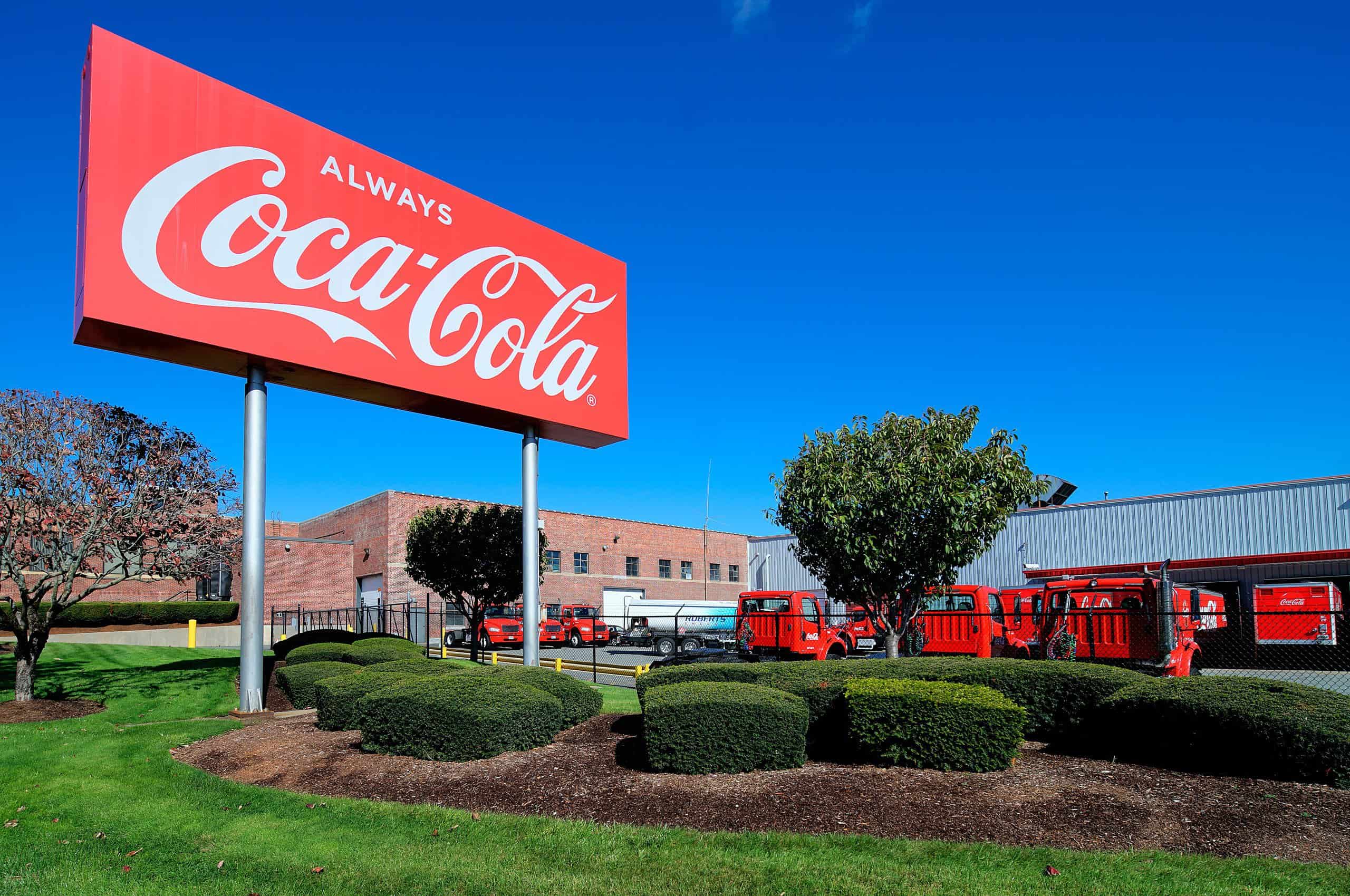
Coca-Cola recently traded with a market capitalization around $350 billion to $360 billion, depending on the day. That means $1 trillion could theoretically buy close to three Coca-Colas at market value, before takeover premiums, financing complexity, and the obvious problem that no board casually sells one of the world’s great consumer franchises. This is the kind of comparison that makes a trillion dollars feel real. Coca-Cola is not a speculative startup or a one-product fad. It is a global distribution machine with brands, bottling relationships, pricing power, shelf space, and more than a century of consumer habit working in its favor.
Buying one Coca-Cola would be a landmark deal. Buying nearly three equivalents would be a statement about how concentrated modern corporate value has become. The premium alone on a control transaction could run into the tens of billions. Regulators would swarm. Bankers would celebrate. Activists would invent new pitch decks overnight. For Wall Street readers, the key point is not that someone could actually acquire Coca-Cola three times. It is that $1 trillion is large enough to talk seriously about multiple mega-cap consumer staples franchises in one breath. That is not personal wealth anymore. That is sovereign wealth with a stock picker’s shopping list.
A Gold Hoard Bigger Than Central Banks

At a spot gold price a little above $4,100 per troy ounce, $1 trillion would buy roughly 240 million troy ounces of gold. Converted into metric tons, that is approximately 7,500 tons of bullion. For comparison, the United States holds about 8,133.5 tons of official gold reserves, the largest national stockpile in the world. In other words, a trillion-dollar buyer could assemble a gold hoard approaching Fort Knox scale at today’s prices. The catch is that markets are not vending machines. Trying to buy that much physical gold would almost certainly move the price sharply higher, strain available supply, and turn a clean spreadsheet calculation into a global commodities event.
Gold is deep, but it is not infinite. Central banks, ETFs, jewelry demand, miners, refiners, and vault operators would all feel the pressure. The storage alone would be absurd. Thousands of tons of bullion require vaults, guards, insurance, audits, transport, and political discretion. Wall Street tends to think of gold as a portfolio hedge, a macro trade, or a central-bank signal. At $1 trillion, it becomes something else: a private monetary reserve. You would not just be buying a shiny asset. You would be buying a position large enough to make the gold market look back at you.
A Country-Sized Economy for a Year

A trillion dollars is not just a large balance sheet. It is an economy. World Bank data show that only a limited group of countries produce more than $1 trillion in annual GDP. Australia’s 2024 GDP was about $1.76 trillion, while countries such as Saudi Arabia, Turkey, Switzerland, Poland, and Taiwan sit in the broad neighborhood around or below the trillion-dollar line depending on the year and exchange rates. That means $1 trillion is enough money to approximate the annual output of a major advanced or resource-rich economy. This is where the number becomes more than a billionaire fantasy. GDP measures production over a year, not a pile of cash sitting in an account, so the comparison is not perfect.
But that imperfection is useful. It shows how much activity, labor, capital, exports, services, factories, hospitals, software, restaurants, airports, taxes, and households are required to generate a trillion dollars of value. A person with $1 trillion would not merely be rich. They would command capital comparable to the productive output of entire nations. For 24/7 Wall St. readers, that is the real punchline. Markets have normalized trillion-dollar companies. They should not normalize trillion-dollar fortunes. At that level, private wealth begins to rhyme with national power.
The image featured at the top of this post is ©Andrew Clemente.
Contact [email protected] for any questions or corrections.