Ryanair CFO: Rival Airlines Could Fail This Winter; Industry Shakeout Could Lead to Pricing Power
Ryanair's CFO just warned that several European airlines may not survive the coming winter, and he thinks that spells opportunity rather than crisis for his carrier. The reasoning behind that confidence reveals a cost structure gap so wide it barely…

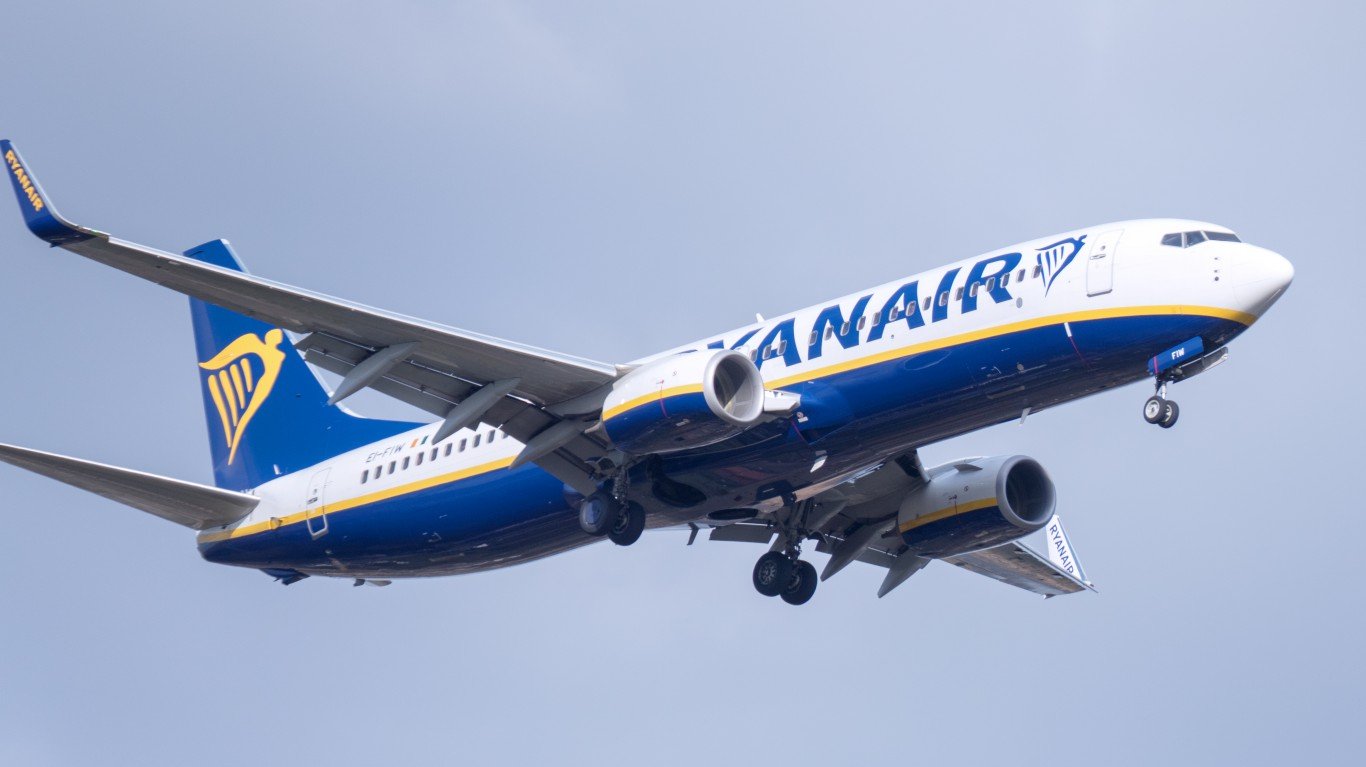
Ryanair Group CFO Neil Sorahan used a CNBC interview on Monday, July 20, to frame Europe’s aviation shakeout as an opportunity for the low-cost carrier, warning that weaker rivals may not survive the coming winter. His comments landed alongside a quarterly earnings report that showed earnings fell 34% on higher fuel costs and softer fares, yet Sorahan positioned the pressure as a market-clearing event that plays to Ryanair’s cost structure.
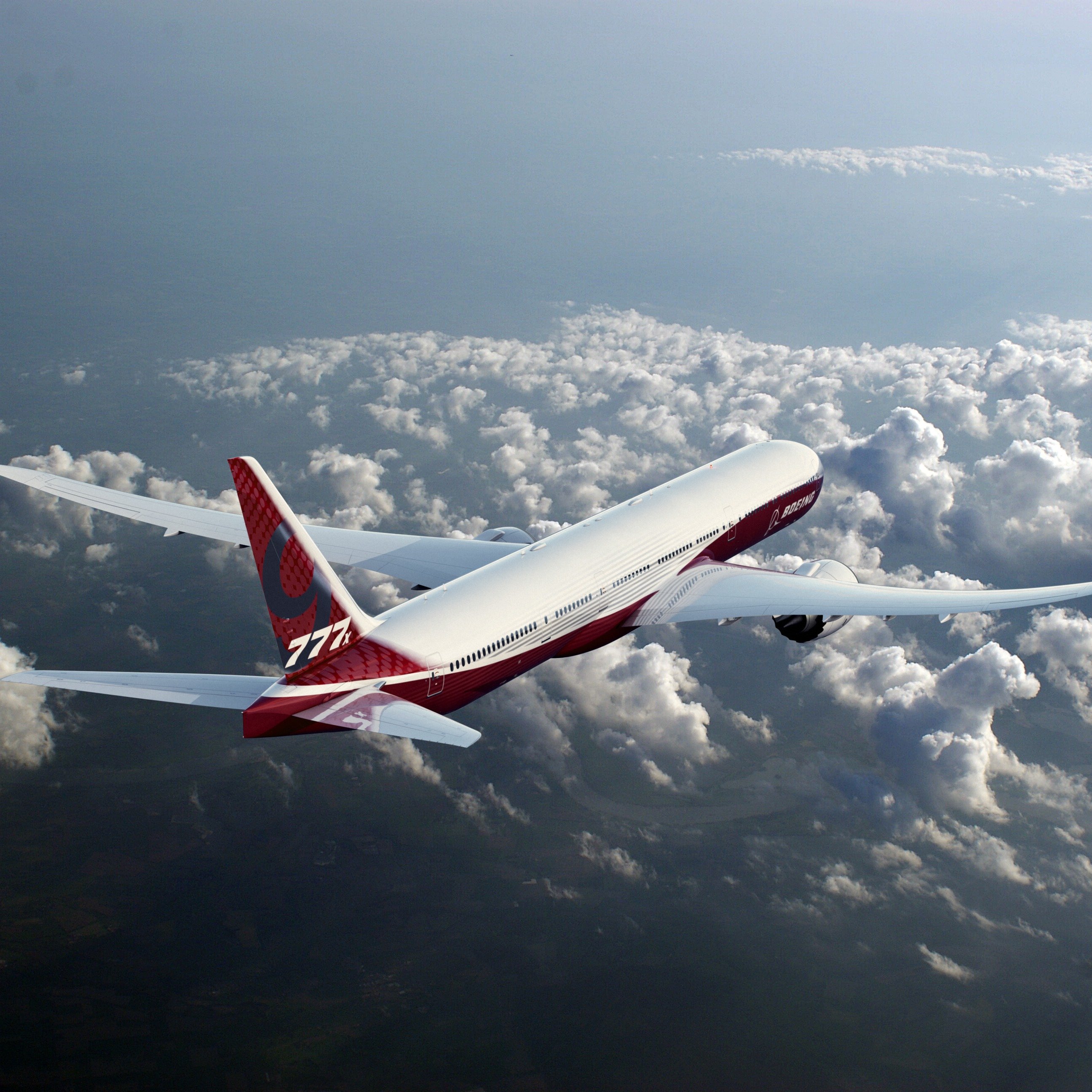
Ryanair Holdings (NASDAQ:RYAAY | RYAAY Price Prediction) trades in the U.S. as an ADR and carries a market capitalization of $32.49 billion. Sorahan’s read on competitor stress also has implications for Boeing (NYSE:BA), Ryanair’s primary aircraft supplier, whose MAX-10 delivery cadence underpins the carrier’s next leg of growth.
Jet Fuel Nearly Doubled, but Ryanair Locked In $67 Oil
Sorahan attributed the profit decline to a fuel spike following the Iran war, with unhedged jet fuel costs roughly doubling to nearly $150 per barrel in the quarter. Ryanair sidestepped much of that shock. The carrier is 80% hedged on fuel out to the end of March 2026 at $67 per barrel, a level far below where spot markets traded during the spike. For reference, WTI crude reached a 12-month high of $114.58 per barrel on April 7, 2026, before settling at $79.20 on July 13, 2026.
Full-year FY26 results showcased the hedging playbook. Ryanair delivered pre-exceptional profit after tax of $2.26 billion, up 40%, on $15.54 billion in revenue.
Competitor Costs Run 80% to 150% Higher Than Ryanair’s
The balance sheet is now the heart of Sorahan’s competitive argument. “There are a lot of carriers out there that don’t have the cost base that Ryanair has. We paid down our final bond, 1.2 billion in May. So we’re now effectively debt free… once you get into the kind of winter period, some of the weaker carriers are going to find it very difficult. And we may see some failures over the next number of months.“
The gap in Ryanair’s cost structure compared to its competitors is remarkable. “The next nearest competitor to Ryanair in Europe, their unit costs are some 80% higher than ours. And then the number two are at 150% higher than Ryanair.“ Sorahan expects capacity withdrawals to translate directly into pricing power: “Capacity comes out. That means there’s more risk to the upside than the downside on fares. Pricing [goes] one way, and that’s up.”
715,000 Daily Passengers, but Travelers Are Booking Later
The softer fare backdrop reflects booking timing. “We have over 715,000 people flying with us today. No shortage of bookings, no shortage of people traveling. They’ve just [been] booking that little bit closer in.” First-quarter traffic grew 6%, and Ryanair still guides to 4% growth to 216 million passengers in 2026.
Boeing’s MAX-10 Could Cut Fuel Burn 20% While Carrying 20% More Passengers
Ryanair operates a fleet of 210 new Boeing aircraft out of a total 650, with MAX-10 deliveries expected to begin January 2027. Sorahan framed the aircraft as a compounding advantage: “We bought those aircraft at prices during Covid. The Max Ten aircraft is going to deliver significant savings. It’s 20% lower fuel burn, 20% more passengers, which drives productivity, volume, growth opportunities and more ancillary revenue.”
Boeing has been executing better on the production side. The manufacturer delivered 314 jets in the first half of 2026, its highest first-half total since 2018, and carries a $576 billion backlog. That output pace matters for Ryanair’s stated ambition to grow toward 300 million passengers annually into the next decade.
Why Airline Failures Could Send Ryanair’s Fares Higher
Sorahan is arguing that Ryanair’s cost base, hedged fuel bill, and debt-free balance sheet let it absorb near-term pain while structurally weaker carriers cannot. The forward setup hinges on two variables: whether closer-in bookings translate into firmer H2 fares once European capacity attrition occurs, and whether Boeing hits its January 2027 MAX-10 delivery window. Ryanair shares are down 16.51% year to date as of July 20, reflecting the market’s focus on Q1 pressure rather than the consolidation thesis Sorahan laid out.
Contact [email protected] for any questions or corrections.
Thomas Richmond is a financial writer and content strategist with 5+ years of experience covering stocks and financial markets. He has published over 500 articles focused on individual stock analysis, helping investors better understand business fundamentals, stock valuations, and long-term opportunities.
Thomas previously served as a Content Lead at TIKR, a stock research platform, where he helped scale the company’s blog to hundreds of articles per month and contributed to a weekly newsletter reaching more than 100,000 investors.
Outside of work, Thomas enjoys weight lifting and soccer.