Stellar Now Hosts More Tokenized Assets Than the XRP Ledger. Why Is XRP Still Worth Nearly 13 Times More?
Stellar hosts more tokenized real-world assets than the XRP Ledger, yet XLM trades at a fraction of XRP's price. The reason comes down to a structural flaw in how Stellar's tokenization boom actually works.

This post may contain links from our sponsors and affiliates, and Flywheel Publishing may receive compensation for actions taken through them.

Stellar (CRYPTO:XLM) has emerged as a leader in hosting tokenized real-world assets, boasting a total of $3.5 billion. This figure puts it ahead of every other chain, including the XRP Ledger, which hosts $2.5 billion in tokenized assets. However, Stellar’s coin, XLM, has not seen a corresponding price increase. As of October 11, 2026, XLM trades at $0.20, bringing Stellar’s total market value to $6.85 billion.
In contrast, XRP (CRYPTO:XRP) is valued at $1.39, giving it a market capitalization of $88 billion. This means XRP is now worth 12.8 times more than Stellar, even though its ledger hosts less tokenized value. Additionally, XLM’s price is down 77.7% from its January 2018 high of $0.88, while XRP is currently 61.8% below its July 2025 peak. So why does a blockchain with more tokenized assets have a lower coin value?
Stellar Leads the XRP Ledger With $3.5 Billion in Tokenized Assets
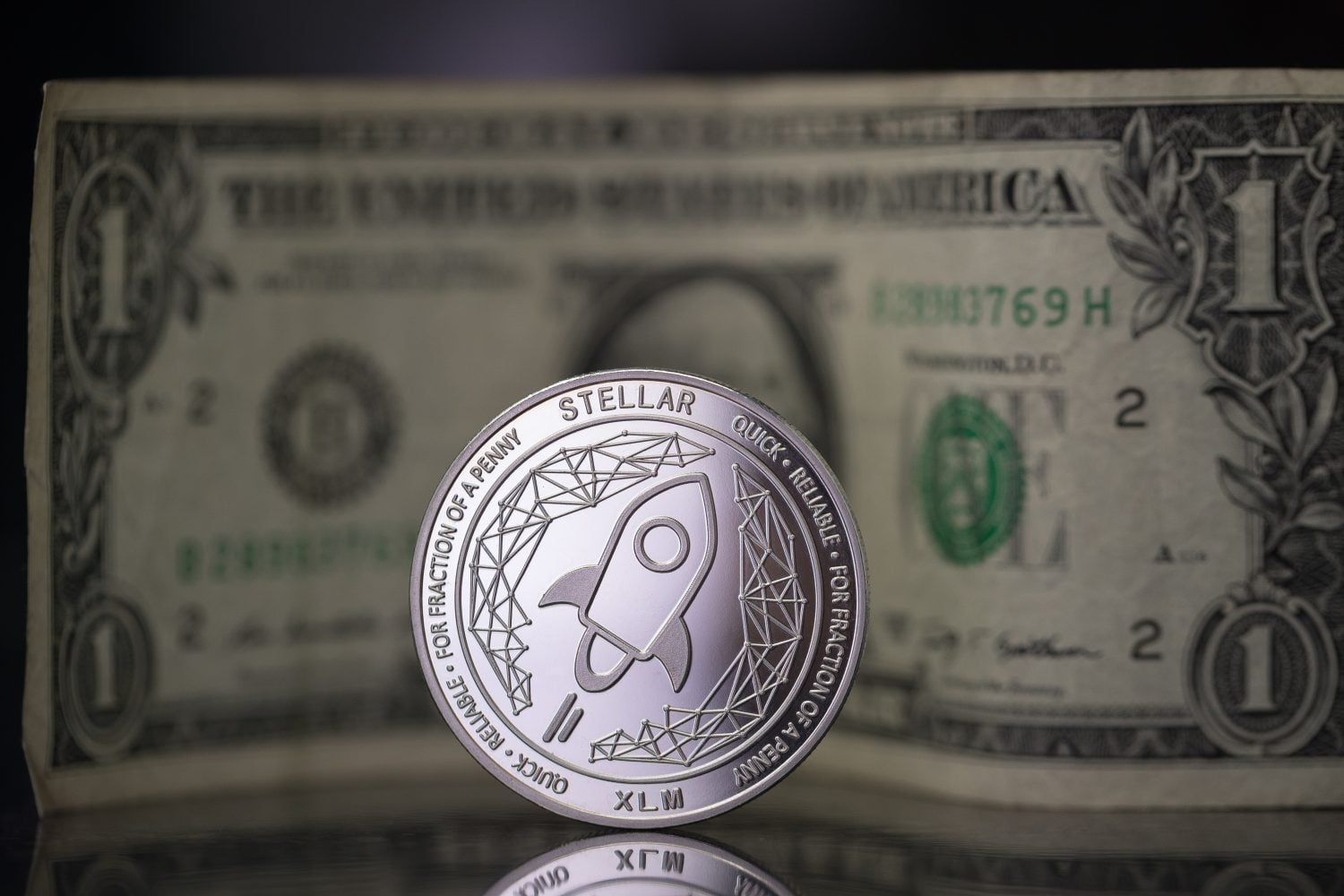
A tokenized real-world asset represents financial products, such as Treasury bills or money market funds, recorded on a blockchain. This allows for ownership transfers without the usual banking processes. For example, a money market fund is a low-risk investment that primarily holds short-term government debt and cash. In this context, a token serves as a digital receipt for the asset.
Stellar’s $3.5 billion in tokenized assets places it in the lead, followed closely by Solana at $3 billion, the XRP Ledger at $2.5 billion, and Avalanche at $1.7 billion. Much of Stellar’s value comes from a Franklin Templeton (NYSE:BEN | BEN Price Prediction) money market fund and tokenized U.S. Treasuries. Meanwhile, Circle (NYSE:CRCL) provides the cash component through its USDC and EURC stablecoins, pegged to the U.S. dollar and the euro, respectively, to facilitate payments for fund shares during transactions.
Previously, reports showed the XRP Ledger led in tokenized commodities with $2.2 billion, compared to Ethereum‘s $1.6 billion. Both rankings remain, with the XRP Ledger maintaining its leadership in commodities and Stellar excelling in overall tokenized asset value thanks to its Treasury and money market products.
Why Stellar’s Tokenized Assets Don’t Drive Demand for XLM
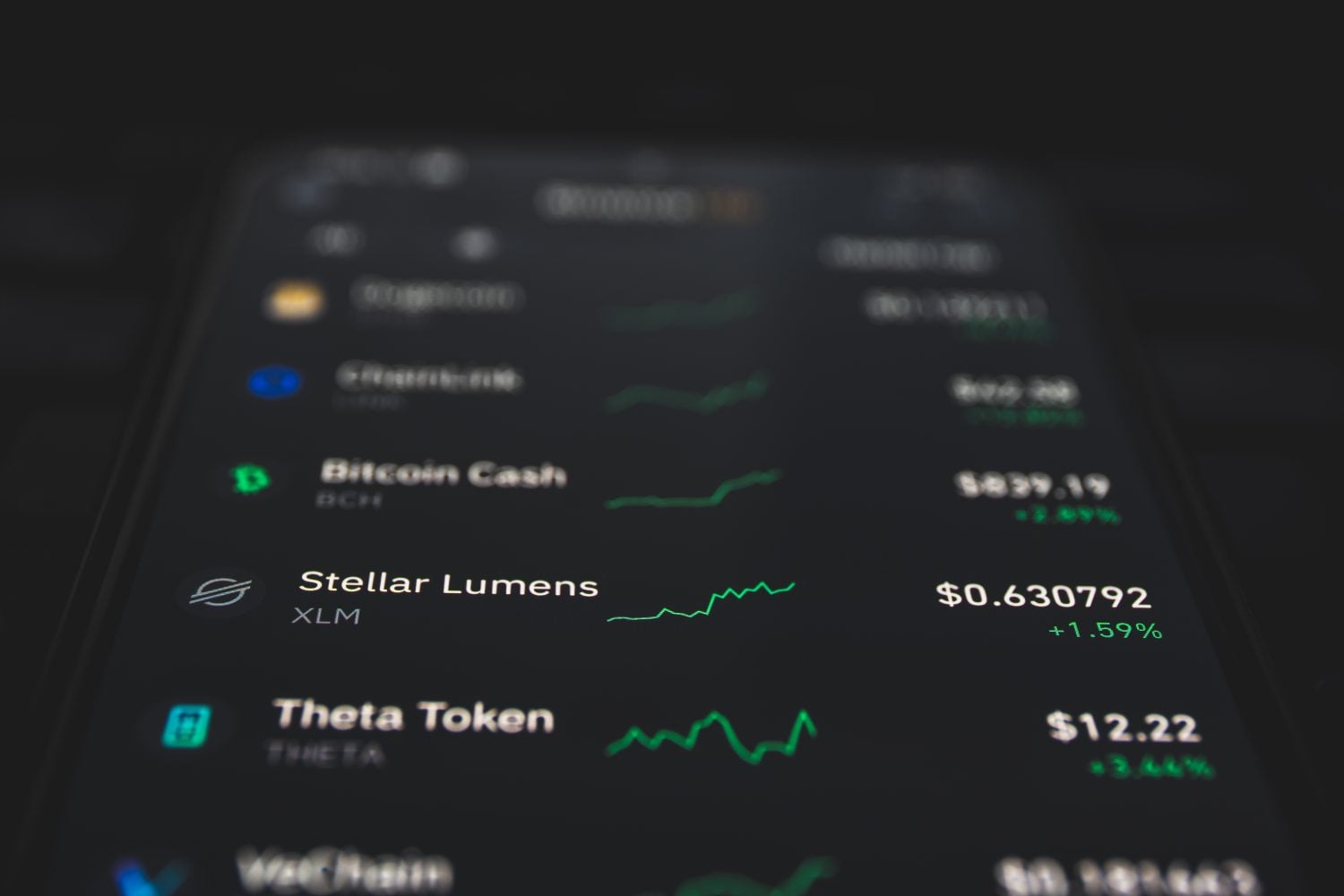
While the ranking reflects the dollar value of assets on each chain, it doesn’t account for activity, revenue, or demand for the underlying cryptocurrencies. A tokenized fund that remains static ranks the same as one that sees frequent trading.
Stellar exemplifies the disconnect between asset value and demand for XLM. Although Stellar transaction fees are paid in XLM, they are only fractions of a cent. Consequently, users have little incentive to hold significant amounts of XLM when moving tokenized funds around the network.
Furthermore, investors holding a tokenized Franklin Templeton fund own a claim solely on the fund itself, which provides exposure to Treasury yields and the fund manager without requiring any ownership of XLM.
XRP Has ETF and Treasury Buyers That XLM Lacks
Stellar lacks key components that bolster demand for XRP: a spot exchange-traded fund (ETF) and corporate treasury buyers. A spot ETF directly holds the cryptocurrency and trades on a stock exchange, while corporate treasury buyers are public companies that acquire the coin and hold it on their balance sheets. Without either, institutions have no obligation to purchase XLM when new investments come in.
Conversely, XRP benefits from both attributes. Spot XRP funds currently hold $1.57 billion in assets, according to SoSoValue, and Evernorth, a treasury company set to list on Nasdaq, owns about 473 million XRP, or around $657 million. Additionally, Ripple, the company behind XRP’s payment solutions, supports the market through its own balance sheet.
The disparity between the two coins largely stems from their respective demand dynamics. When fresh investments flow into a spot XRP fund, the fund acquires XRP. In contrast, when money enters a tokenized Treasury fund on Stellar, the fund manager invests in Treasuries instead of XLM.
Will Stellar’s Tokenized Assets Close the Gap With XRP?
It seems unlikely this gap will narrow if the current structure remains unchanged. For XLM holders drawn to tokenization headlines, note that the benefits primarily accrue to entities like Franklin Templeton, Circle, and their investors, as their funds invest in Treasuries and stablecoins. Stellar’s total value increases when fund managers issue new tokens, which doesn’t require buying XLM, so the 12.8x gap between XRP and XLM may persist even as tokenized asset figures grow.
Only if a spot XLM fund emerges, a publicly traded company adopts XLM for its treasury, or a protocol change links tokenized asset activity to XLM purchases might the situation improve. If Stellar’s total tokenized assets continue to grow while all three are still missing, the market will likely keep pricing each coin based on who needs to buy it rather than on the assets its network hosts.
Contact [email protected] for any questions or corrections.
Sam Daodu is a crypto analyst who's spent nearly a decade making blockchain understandable—no easy task when most whitepapers read like fever dreams. He writes for 24/7 Wall St., covering Bitcoin, altcoins, and crypto market analysis for investors. Before crypto, he was a tech writer (back when explaining "the cloud" was peak innovation). Since 2018, he's written for CoinTelegraph, Yahoo Finance, The Block, Cryptonews, Zypto, Rain, and more—basically anywhere people want crypto news without the headache. Sam runs MacLabs Marketing, a content agency for crypto brands tired of sounding like AI wrote their website. He also publishes free crypto education on his site for Web3 enthusiasts who think "gas fees" is a typo. When he's not writing or staring at charts, Sam's either: - Watching anime (currently convinced One Piece has better tokenomics than most altcoins) - At the gym sculpting himself into a Greek god - Listening to the music your mum warned you only bad boys listen to Connect: LinkedIn | Email | MacLabs Marketing