American Airlines Stock Is Down 6% This Year: Is It Time to Switch to Delta or United?
American Airlines just posted record quarterly revenue while every major peer left it behind in 2026, and the reasons buried in its balance sheet explain why the gap keeps growing.

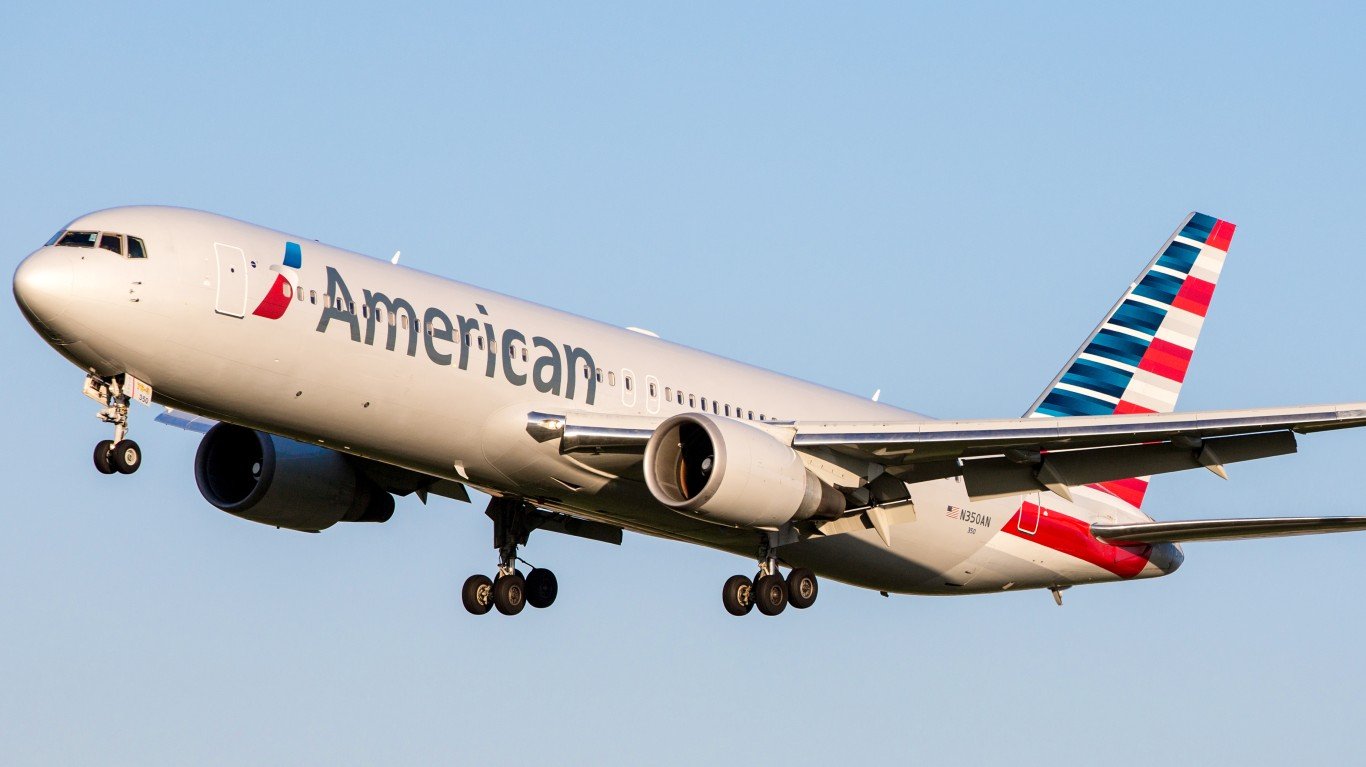
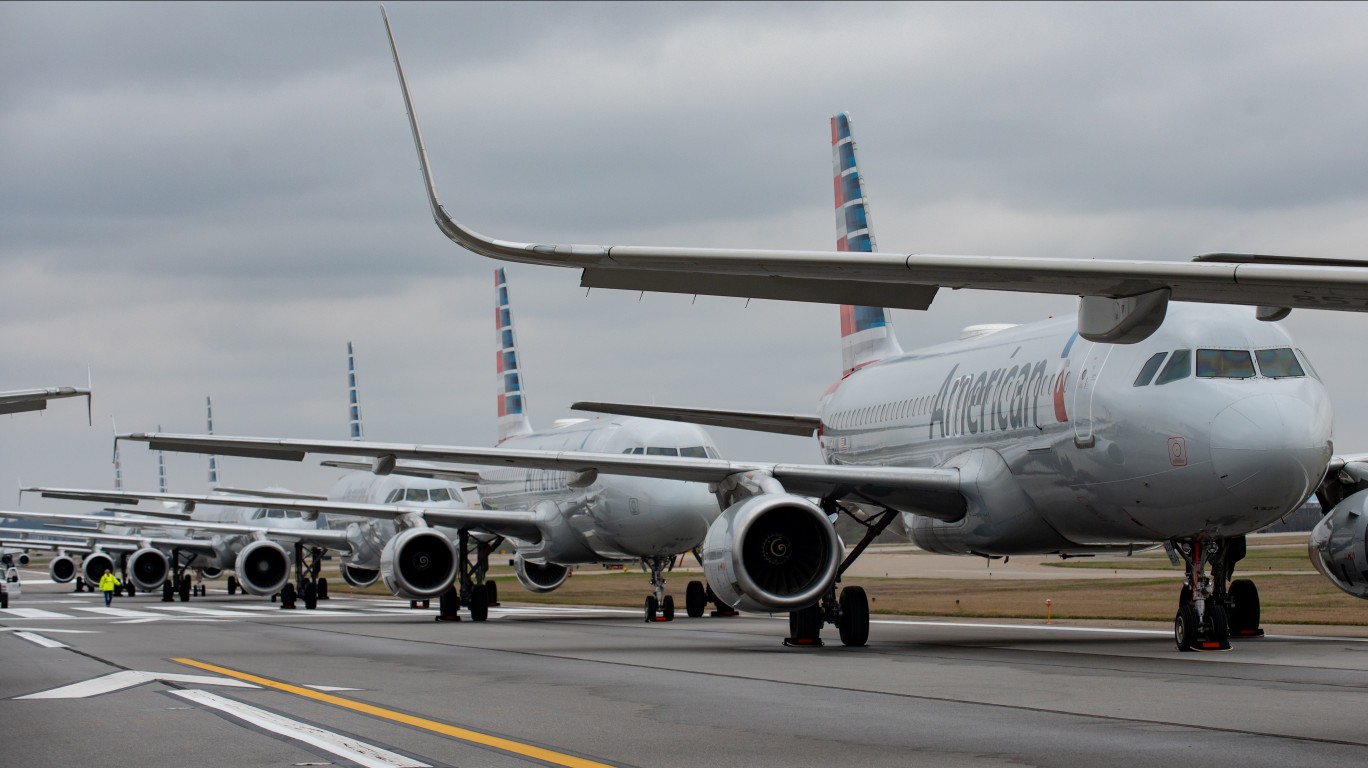
American Airlines Group (NASDAQ:AAL | AAL Price Prediction) stock is the outlier of a strong year for airlines. AAL stock is down 6% year to date (YTD) while every major U.S. peer has posted solid gains. Shares are trading at $14.47 Monday afternoon, keeping the stock well below industry rivals on the year.
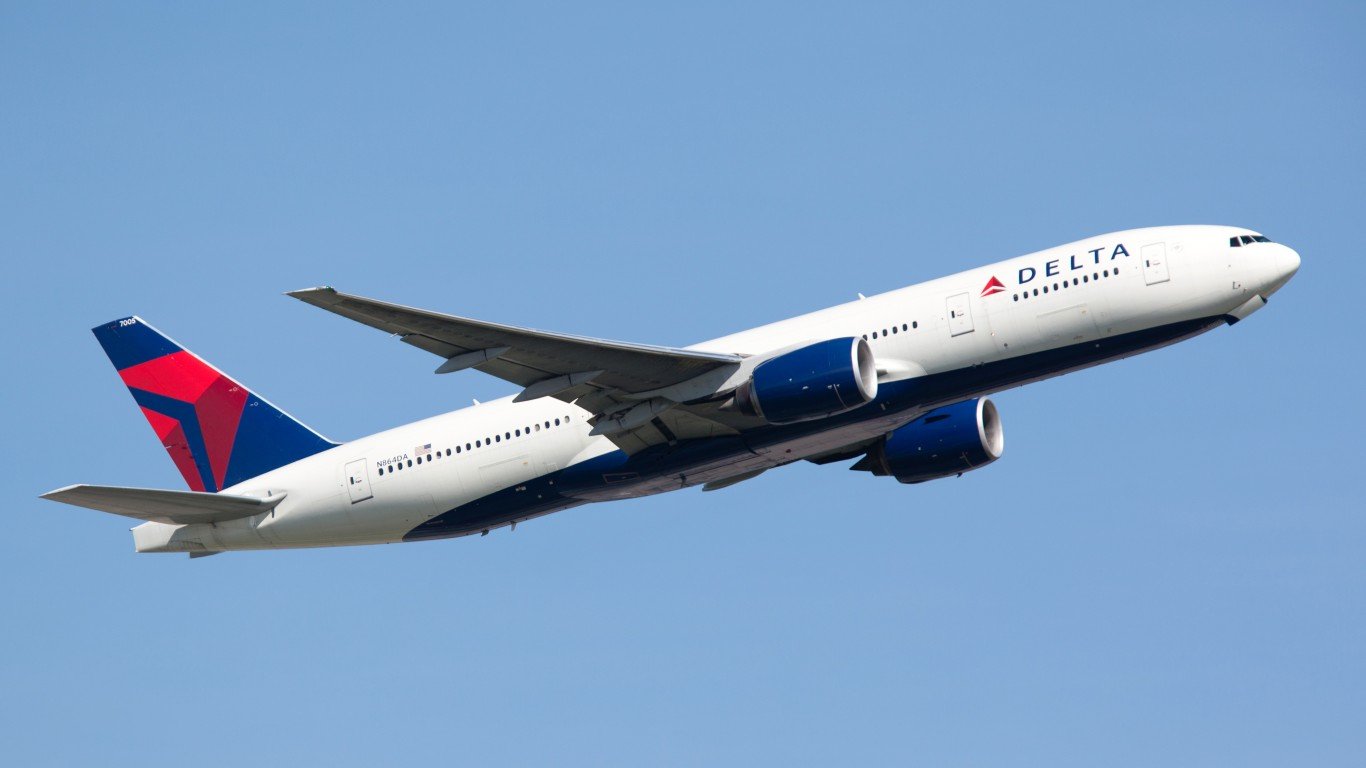
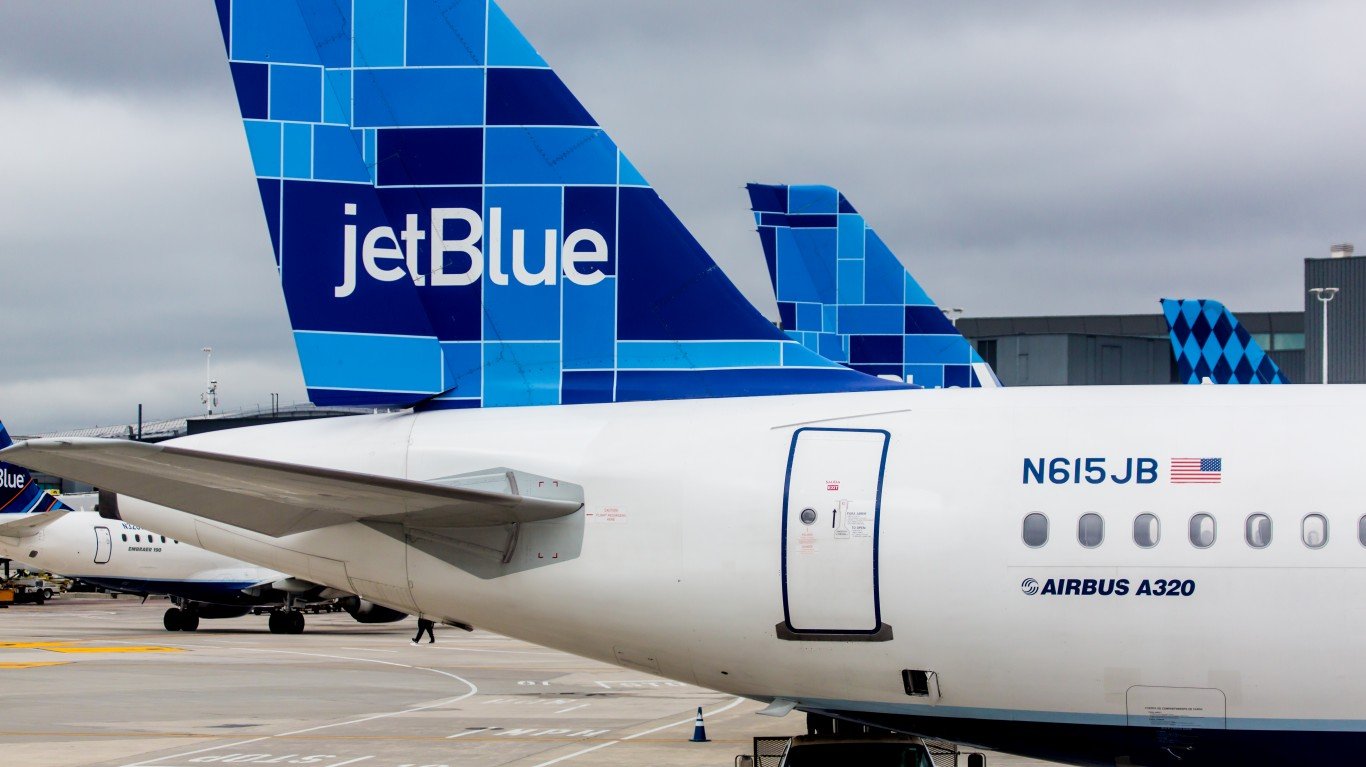
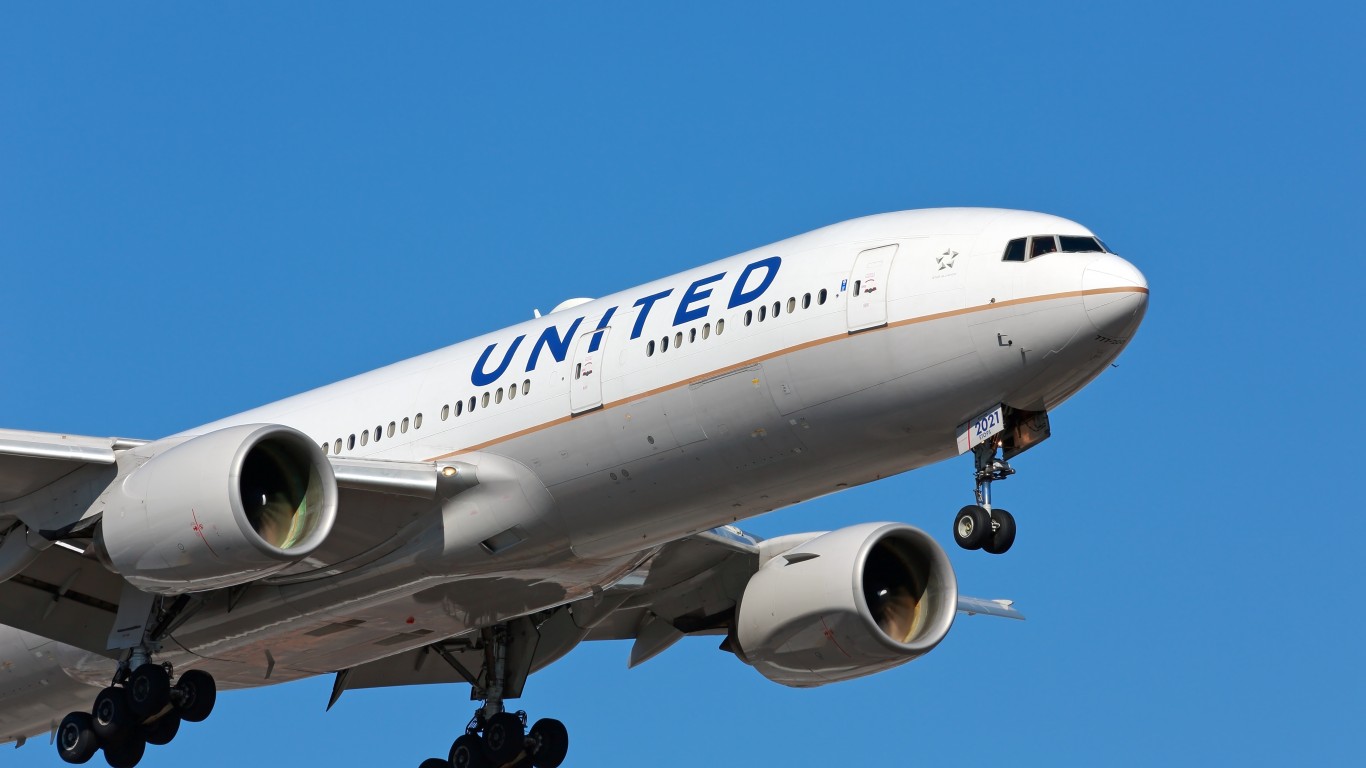
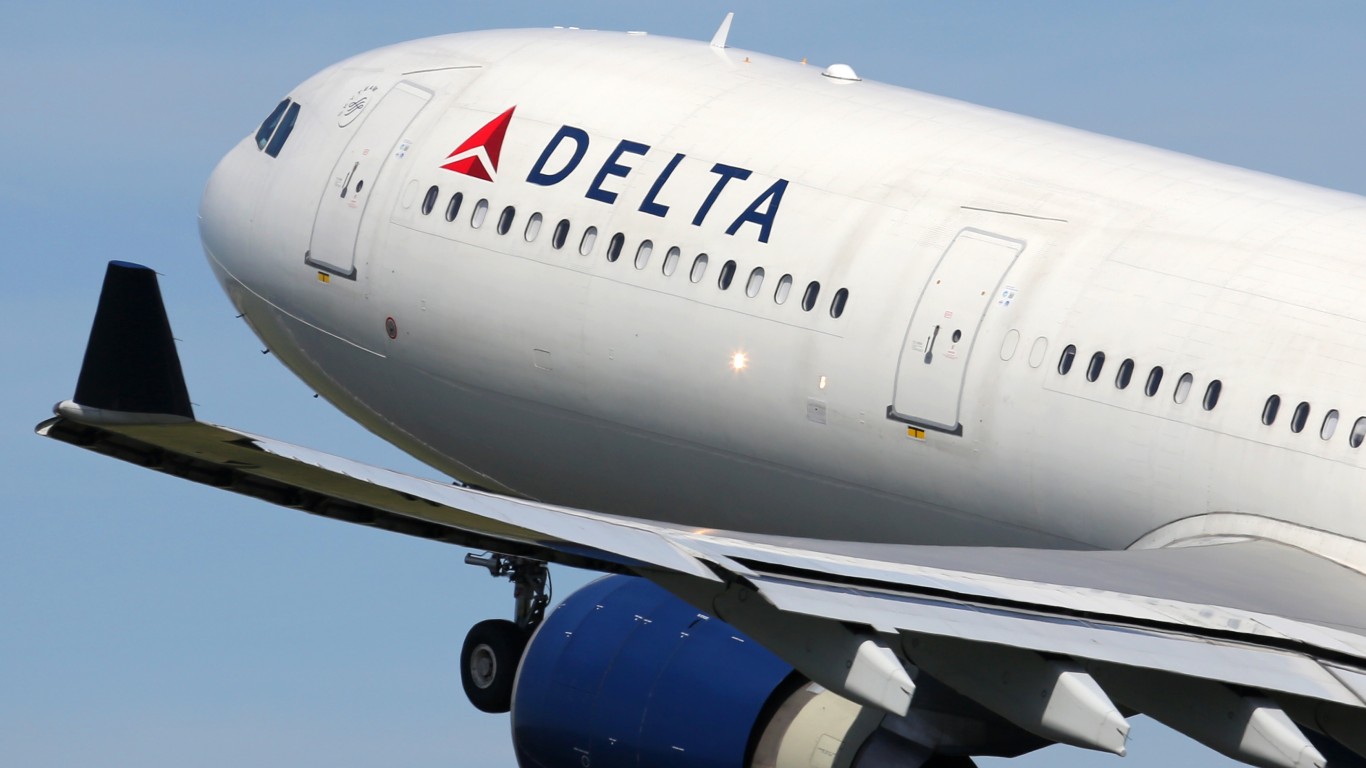
The gap versus Delta Air Lines (NYSE:DAL) shares, which are up 27% YTD, and United Airlines (NASDAQ:UAL) shares, up 10% YTD, has widened even as American just posted record quarterly revenue. JetBlue Airways (NASDAQ:JBLU) shares are up 16% YTD, which shows smaller carriers can outperform American on their own catalysts.
The U.S. Global Jets ETF (NYSEARCA:JETS) is up 10% YTD, confirming the sector has worked in 2026. American’s underperformance is company-specific, and the reasons come down to balance sheet, cost structure, and a widening profit gap that predates the recent fuel shock.
The Record Quarter That Didn’t Help

American Airlines’ Q2 2026 revenue rose 16.3% year over year (YoY) to a company-record $16.7 billion, driven by pricing rather than capacity expansion. Premium passenger unit revenue climbed 13.4%, Main Cabin unit revenue rose 8.8%, and domestic unit revenue advanced 10.6%.
Adjusted earnings at American came in at $0.15 per diluted share against a $0.05 consensus. Demand remains robust. Managed corporate revenue at the carrier grew 26% YoY, and AAdvantage enrollments increased more than 30%.
Fuel Shock and a Wide Guidance Range
American’s fuel expense jumped 83% YoY to $4.88 billion, an increase of more than $2.2 billion that erased most of the revenue gain. Management said higher fares recovered nearly half of that increase, real pricing power but not full protection. Rising fuel prices tie back to ongoing U.S. and Iran tensions, with Brent hitting a $138/bbl high on April 7.
American guided Q3 2026 to an adjusted loss of $0.70 to $0.10 per diluted share, and full-year 2026 EPS to a range spanning a loss of $0.65 to a profit of $0.65. A range straddling breakeven alongside 16% to 19% Q3 revenue growth tells investors management can’t confidently forecast its own earnings while fuel stays volatile.
The Profit Gap Is the Real Answer
Per a July CNBC report, Delta outearned American by $5 billion and United earned $3 billion more than American. That gap predates the fuel spike and reflects Delta’s diversified high-margin revenue base and United’s brand-loyalty and premium mix. The same fuel price consumes a much smaller share of their profit.
American Airlines carries a negative stockholders’ equity of $3.97 billion, a structural weakness that surfaces whenever costs spike. Delta announced a 15% dividend increase, while United raised its FY 2026 EPS guidance to $9 to $11 and a path to investment-grade credit.
Peer Read and the Sector ETF
Delta stock has led the group in 2026 as the industry’s most profitable major carrier with the most diversified revenue base. United stock has trailed Delta but outrun American, benefiting from a broad international footprint and consistent hub market-share gains.
JetBlue shares, up 16% YTD, are moving on the company’s own turnaround plan rather than sector tailwinds alone. Its outperformance reinforces that American’s issues are company-specific.
The JETS ETF is a specific industry fund, and it is not leveraged. Its 10% YTD gain against American’s decline is the cleanest evidence the sector has worked and American has not.
Management Shakeup and Loyalty Change
Per a staff memo obtained by Reuters, CEO Robert Isom acknowledged a “meaningful gap” between American’s operational execution and where the company ought to be, framing an executive reshuffle as the “first step in a series of actions”. John Bendoraitis, former Chief Operating Officer at Spirit Airlines, joins to head technical operations, while Nat Pieper adds marketing and branding to his commercial role.
Starting August 25, American will no longer offer complimentary business class upgrades to elite frequent flyers on some transcontinental and Hawaii routes. That is revenue optimization that carries loyalty risk, and it fits the broader premium-revenue push.
The Case to Stay and What to Watch

The case for staying with American Airlines rests on broad-based revenue quality, incoming premium seat capacity via new Boeing 787-9 and Airbus A321XLR deliveries, and low expectations that would benefit quickly if fuel moderates. Analysts still hold a mean price target of $19.03 on AAL stock, above where the shares sit today.
Investors can watch for how much of the fuel headwind American recovers through fares without weakening bookings, and whether premium and corporate demand hold up. Key signposts include where full-year earnings land inside that wide guided range, and whether the profit gap with Delta and United narrows or widens.
Contact [email protected] for any questions or corrections.
David Moadel is financial writer specializing in stocks, ETFs, options, precious metals, and Bitcoin. David has written well over 1,000 articles for leading online publications, helping investors understand markets, income strategies, and risk.His work has appeared in The Motley Fool, InvestorPlace, U.S. News & World Report, TipRanks, ValueWalk, Benzinga, Market Realist, TalkMarkets, Finmasters, 24/7 Wall St., and others.With a master’s degree in education, David has taught at the elementary, high school, and college levels. That teaching background shapes his writing style: clear, educational, and practical. David has also built a loyal social-media audience by providing trustworthy financial content on YouTube, X/Twitter, and StockTwits.