“Oracle’s Crash Has Cost Larry Ellison $213 Billion. Now It Could End His Son’s $110 Billion Media Empire Dream”
A federal judge just froze David Ellison's dream of owning Hollywood's biggest studio, and the financial guarantee holding the deal together belongs to his father, whose personal fortune has been in freefall for months.


Two crises are converging on a single family fortune at the worst possible moment.
On July 20, 2026, U.S. District Judge Araceli Martinez-Olguin issued a 14-day temporary restraining order blocking Paramount Skydance from closing its $110 billion acquisition of Warner Bros. Discovery (NASDAQ:WBD | WBD Price Prediction). It is the first real legal obstacle the deal has hit, even after the Department of Justice signed off in June. A hearing on a preliminary injunction, which could delay the transaction for months, is set for August 3, 2026.
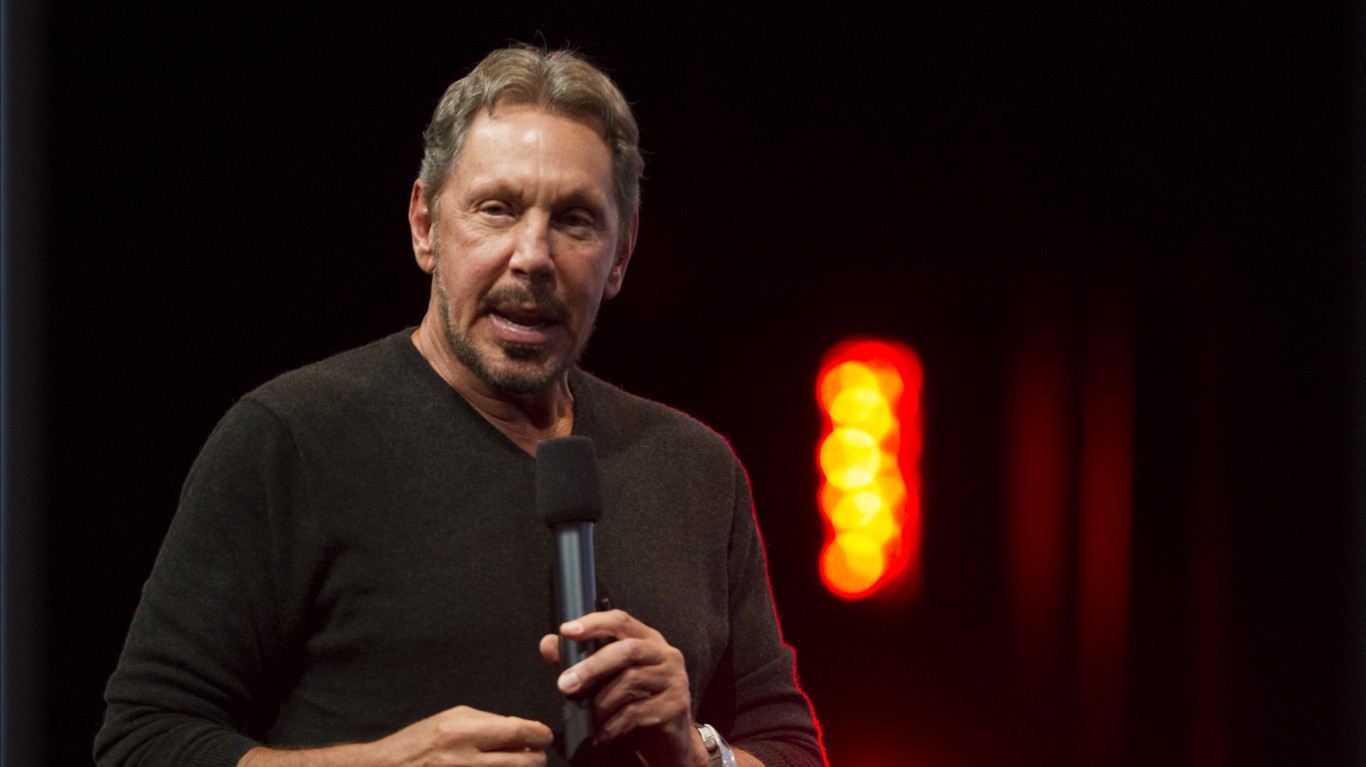
For the Ellison family, the freeze lands at a moment of acute financial fragility. The deal is the centerpiece of David Ellison’s ambition to build a media empire, and his father, Oracle (NYSE:ORCL) founder Larry Ellison, is personally underwriting a huge slice of it, at the exact moment his own wealth is evaporating.
The Legal Fight, and Why States Are Suing
On July 13, a coalition of 12 Democratic state attorneys general, led by California Attorney General Rob Bonta, sued to stop the deal, arguing it violates Section 7 of the Clayton Antitrust Act. Combining two of Hollywood’s five remaining major studios would hand the merged company roughly 27% of wide-release theatrical distribution, 30% of anticipated blockbuster films, and 27% of the basic cable bundle.
“The unlawful merger of these two entertainment behemoths would lead to higher prices, lower quality, and less content for film and television, harming movie theaters, basic cable distributors, and ultimately, audiences on every sofa and movie theater seat in the U.S.,” Bonta said.
Paramount counters that the suit “distorts settled antitrust law and is based on a misrepresentation of competition in the entertainment industry today,”, pointing to the streaming era’s crowded field of competitors. The August 3 hearing will test which reading the court finds persuasive.
A $213 Billion Wealth Collapse
According to Bloomberg Billionaires Index data cited in reporting, Larry Ellison’s net worth peaked near $388 billion in September 2025, when Oracle traded at $345.72 a share, making him only the second person ever, after Elon Musk, to cross $400 billion at his height. By mid-July 2026, that fortune had fallen to roughly $175 billion, a decline of about $213 billion in under 10 months, dropping him from No. 2 to No. 8 on the index.
Why Oracle Fell
Oracle closed at $121.38 on July 20, down about 34% over the past month and roughly 50% over the past year. The drawdown stands at more than 55% since that September 2025 peak.
The collapse stems from Oracle’s aggressive AI bet. Capital expenditures exploded to $55.66 billion in fiscal 2026, blowing past the company’s own $50 billion guidance, and flipped free cash flow to negative $23.7 billion. Much of that spending is tied to AI infrastructure commitments linked heavily to OpenAI, whose own IPO has slipped to 2027. The Q4 FY2026 8-K shows Remaining Performance Obligations of $638 billion, up 363% YoY, most of it locked into contracts that will not translate to cash for years.
The Personal Guarantee at the Center
The two crises fuse here. The Ellison Family Trust guarantees $45.7 billion in equity financing for the Warner Bros. Discovery deal, with Larry Ellison personally on the hook for $40.4 billion of that. The backing is roughly 1.16 billion Oracle shares, now worth about half what they were when he made the pledge. Forbes has questioned whether Ellison holds enough liquid cash to honor the guarantee without selling Oracle stock or borrowing against it.
If the deal ultimately fails, Paramount would owe a $7 billion regulatory termination fee, on top of the $2.8 billion breakup fee it already paid Netflix (NASDAQ:NFLX). A ticking fee of $0.25 per share per quarter begins accruing after September 30, 2026, if closing continues to slip.
Hollywood’s Resistance
The deal has drawn opposition beyond the courtroom. In April 2026, more than 5,000 industry professionals, including Sofia Coppola, Kevin Bacon, Jane Fonda, and Robert De Niro, signed an open letter opposing the merger, citing concerns about consolidation’s effect on creative work.
Compounding Risk
Both threats hit the same transaction at once. The restraining order jeopardizes the deal’s legal path to closing. The Oracle collapse weakens the financial backstop propping it up. A guarantee pledged against Oracle shares looked far more comfortable when those shares were worth double, and the deal looked far more certain before a federal judge pressed pause. The injunction hearing is set for August 3, and Oracle’s stock continues to trade well off its highs.
Contact [email protected] for any questions or corrections.
I've spent more than 15 years inside enterprise software, working alongside the finance, sales operations, and HR leaders who run the revenue engines at some of the largest tech companies in the country.
My day job is helping enterprise executives make smarter decisions about retention, compensation, and growth. These are the same operational levers that show up in every earnings report investors actually read. That perspective shapes my writing for 24/7 Wall St.
The headline numbers are easy. The interesting stuff is underneath: how companies make money, what executives are worried about, and what any of it means for the person checking their 401(k) on a Sunday afternoon. I write about personal finance and business as someone who has spent her career inside the rooms where these decisions get made.