Oracle’s Massive AI Bet Has Already Cost Larry Ellison $207 Billion. Analyst Warns the AI Bubble Is 17 Times Bigger Than the Dot-Com Bubble.
Larry Ellison's Oracle gambled its balance sheet on an AI future that analysts are now calling the most dangerous financial bubble in history, and the bill is coming due faster than anyone expected.

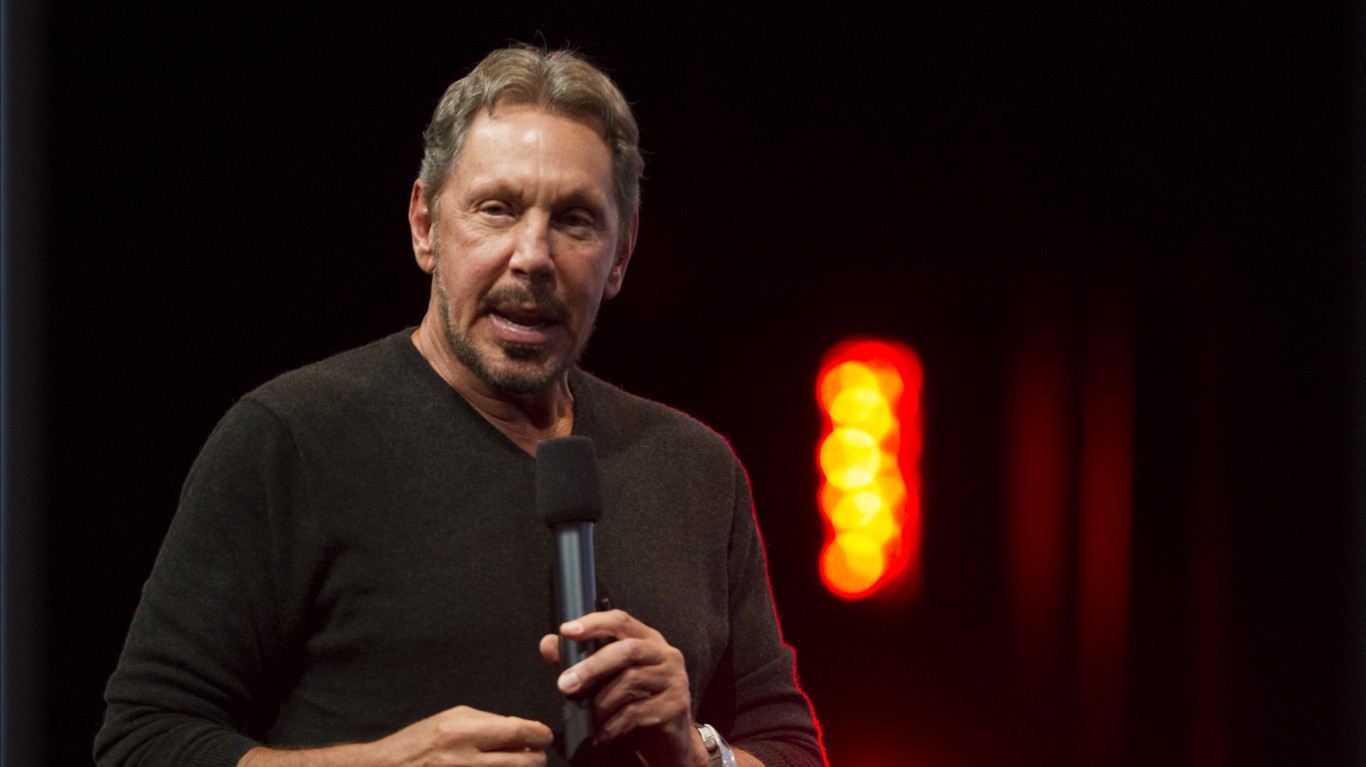
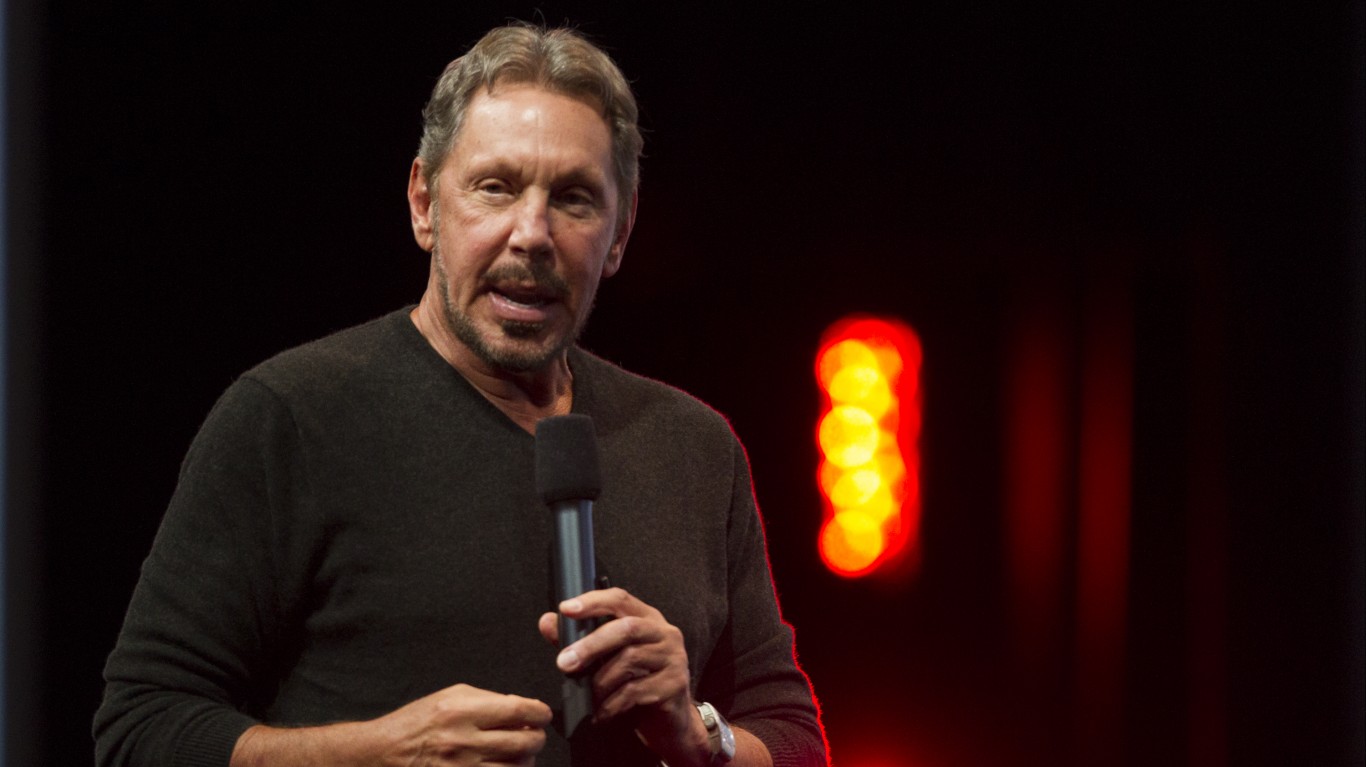
Larry Ellison has lost $207 billion in less than a year. His fortune peaked near $388 billion in September 2025, when Oracle (NYSE:ORCL | ORCL Price Prediction) traded at $345.72 and briefly made him only the second person ever, after Elon Musk, to cross $400 billion. As of August 2, 2026, Bloomberg’s Billionaires Index puts him at $181 billion, No. 7 globally, behind Mark Zuckerberg at $199 billion and just ahead of NVIDIA’s Jensen Huang at $166 billion. Year-to-date, Ellison is down $66.0 billion, with most of the collapse arriving after Oracle’s share price broke in June.
The Mechanics of the Crash
Oracle’s market value has fallen by roughly $494 billion since peaking at $877.1 billion in September 2025. The stock closed at $121.38 on July 20, 2026, more than 55% off its September 2025 peak. Fiscal 2026 capital expenditures ballooned to $55.66 billion, past Oracle’s own $50 billion guidance, flipping free cash flow to negative $23.7 billion.
Oracle’s Q4 8-K reported Remaining Performance Obligations of $638 billion, up 363% year-over-year, most locked into long-dated contracts that will not convert to cash for years. A large chunk ties to OpenAI, whose IPO has slipped to 2027. S&P Global downgraded Oracle’s credit rating, warning the buildout might pay off long term but could weaken near-term financial position. Melius Research questioned whether Oracle’s spending plans hold if OpenAI or Anthropic scale back demand for compute. Sitting behind all of it: Project Stargate, a plan to invest up to $500 billion in AI-focused data centers over four years.
The 17x Thesis
In October 2025, Julien Garran, partner at UK firm MacroStrategy Partnership, published a report arguing the AI investment frenzy is a “misallocation of capital” 17 times the size of the dot-com bubble and four times the size of the 2008 real-estate/subprime bubble. He called it “the biggest and most dangerous bubble the world has ever seen.” His “golden rule” case: large language models are statistical word-prediction engines with architectural limits, coding tools reproduce rote patterns, and capability has hit a “scaling wall” since GPT-4 launched in March 2023.
Garran’s answer to “who is actually making money” is blunt: only NVIDIA. Data-center operators, LLM developers, and LLM-based software vendors are, in his framing, “all heavily loss-making” and depend on a “permanent funding tour” of new rounds, with SoftBank and sovereign funds like Saudi Arabia’s serving as backstops.
Oracle is the cleanest live test of that pattern. Garran did not name Oracle, and his report predates the worst months of the drawdown, but the arithmetic he warned about, capex outrunning cash generation to service a small number of AI whales, is now Oracle’s income statement.
The Counterpoint, and the Coda
There is a credible counterargument. Deutsche Bank analysts argued in September 2025 that the “AI bubble” narrative itself was overhyped, calling it “bubble talk about the bubble.” The Financial Times counted ten AI startups, with no collective profit, that gained nearly $1 trillion in combined market value in the twelve months before Garran published, a figure bulls read as genuine, still-unfolding value creation.
The personal stakes are sharp. The Ellison Family Trust guarantees $45.7 billion in equity financing for son David Ellison’s $110 billion Paramount Skydance acquisition of Warner Bros. Discovery, with Larry personally on the hook for $40.4 billion, backed by about 1.16 billion Oracle shares now worth roughly half what they were when the guarantee was made. A federal judge issued a 14-day temporary restraining order on July 20, 2026 blocking the merger, with a preliminary injunction hearing scheduled for August 3, 2026.
Whether this is a bubble popping or a rough patch in a transformative cycle remains an open question. What the data does show: Oracle bet the balance sheet, the market repriced the bet, and the richest single-stock fortune in the world absorbed the difference.

Contact [email protected] for any questions or corrections.
AJ spent 10 years writing about financial markets at The Motley Fool. His coverage centers on technology stocks and the broader macroeconomic trends, from interest rates to geopolitics, that shape where markets are headed next. AJ is drawn to the stories where big-picture economics and individual companies collide.