Waymo Got $9,000 In Parking Tickets
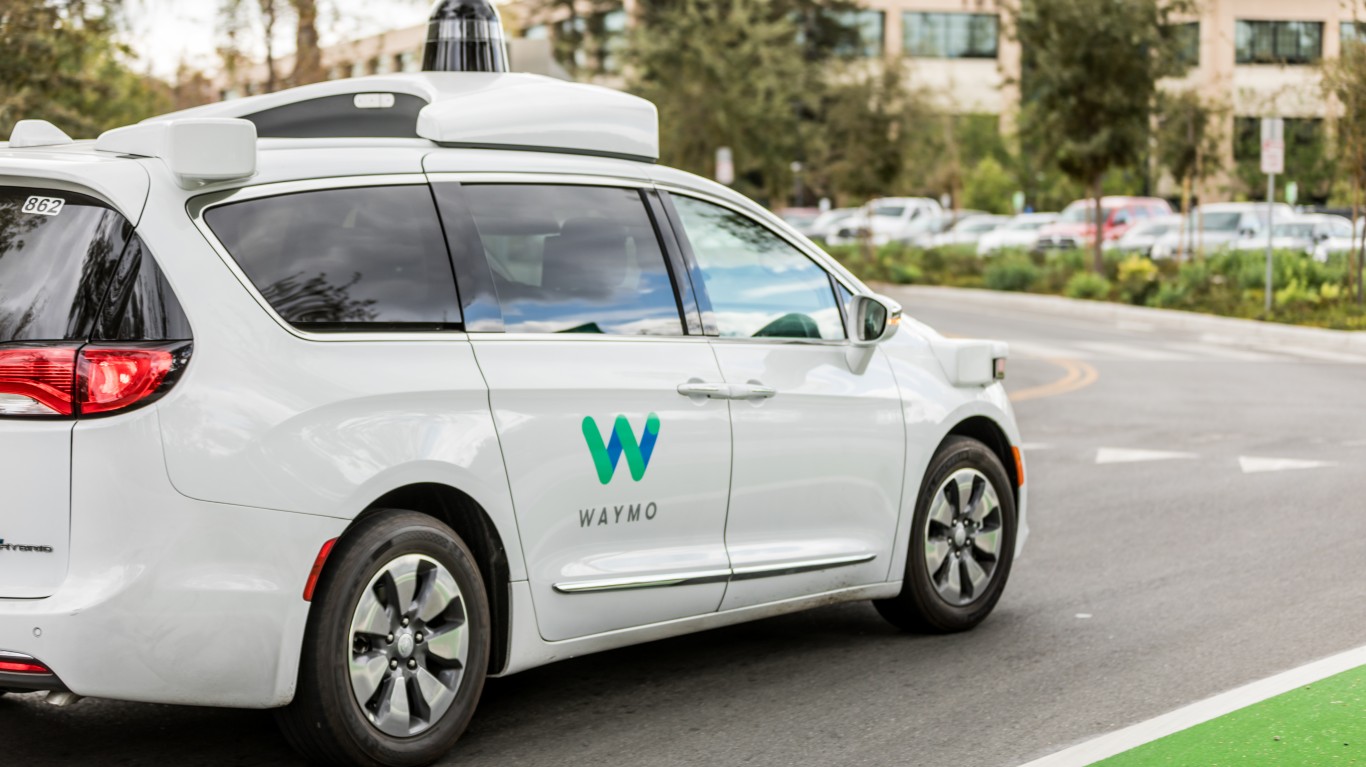
Waymo's autonomous vehicles have been quietly racking up parking tickets across American cities, and the story raises a question that cuts to the heart of self-driving technology: were the cars actually responsible, or were the humans supposed to be watching?

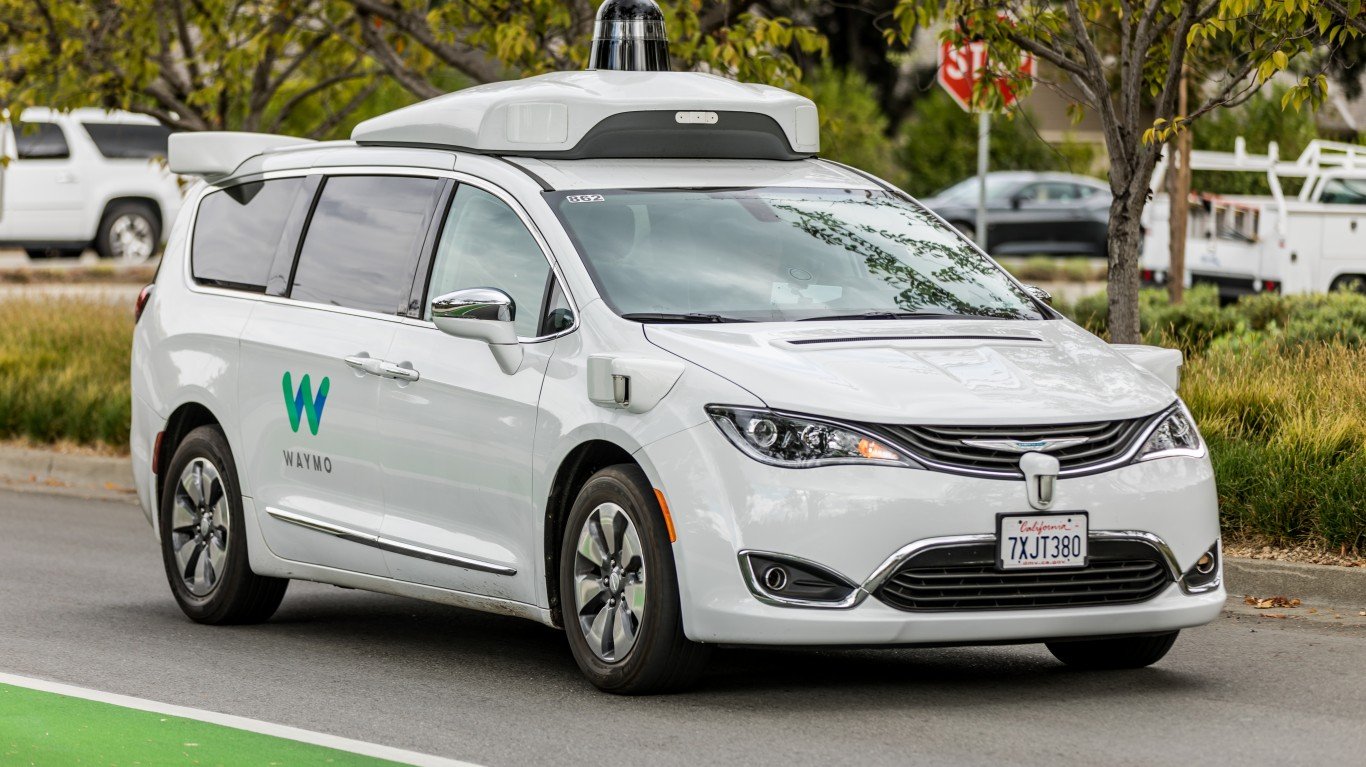
The Wall Street Journal caught onto a list of parking tickets racked up by Waymo cars since 2024. The total is $9,325. It is really a news story; it depends on how the reader sees it. The number is probably less than $400 a month. A guess is that a ticket costs $40 each. That cuts it down to ten a month.
The real question is whether the cars parked themselves. Some have human overseers. So, a human could have made this mistake. Waymo began to map the streets of Austin at the start of 2025. The Google-owned company began to do full-scale tests with Uber in March of that year. From late 2026 to the present, there have been several small accidents. The National Transportation Safety Board (NTSB) tracked some of these. None stopped that testing.
Waymo is in 11 cities, and its test footprint is 1,400 square miles. In terms of test cities, it runs ahead of rival Tesla (NASDAQ: TSLA | TSLA Price Prediction). It is hard to handicap a winner. Completely hands-free operation of these vehicles requires approval from state or local regulators. This could come quickly in some areas, and much more slowly than others. The companies are at the mercy of bureaucrats.
The decision of the Journal to run the articles, particularly in a prominent place, is more ridiculous because Waymo has paid $7,433 of the tickets. That is probably a better track record than that of human drivers.
As 247WallSt has pointed out, Waymo leads Tesla in an important category. “The IIHS finds Waymo’s driverless vehicles involved in 68% fewer crashes per mile than human drivers across four major US cities.”
The hunger for news about autonomous cars is extreme. First, the assumption is that they can replace human drivers completely across many of the world’s cities, and certainly on well-marked highways. One forecast is that the sector could create $457 billion in revenue by 2034. The price of parking tickets should not be a problem then.
Contact [email protected] for any questions or corrections.
Douglas A. McIntyre is the co-founder, chief executive officer and editor in chief of 24/7 Wall St. and 24/7 Tempo. He has held these jobs since 2006.
McIntyre has written thousands of articles for 24/7 Wall St. He is an expert on corporate finance, the automotive industry, media companies and international finance. He has edited articles on national demographics, sports, personal income and travel.
His work has been quoted or mentioned in The New York Times, The Wall Street Journal, Los Angeles Times, The Washington Post, NBC News, Time, The New Yorker, HuffPost USA Today, Business Insider, Yahoo, AOL, MarketWatch, The Atlantic, Bloomberg, New York Post, Chicago Tribune, Forbes, The Guardian and many other major publications. McIntyre has been a guest on CNBC, the BBC and television and radio stations across the country.
A magna cum laude graduate of Harvard College, McIntyre also was president of The Harvard Advocate. Founded in 1866, the Advocate is the oldest college publication in the United States.
TheStreet.com, Comps.com and Edgar Online are some of the public companies for which McIntyre served on the board of directors. He was a Vicinity Corporation board member when the company was sold to Microsoft in 2002. He served on the audit committees of some of these companies.
McIntyre has been the CEO of FutureSource, a provider of trading terminals and news to commodities and futures traders. He was president of Switchboard, the online phone directory company. He served as chairman and CEO of On2 Technologies, the video compression company that provided video compression software for Adobe’s Flash. Google bought On2 in 2009.