“A Shadow Mortgage”: How Rising HOA Fees Are Pushing More Americans Toward Foreclosure
HOA fees are quietly erasing purchasing power, triggering foreclosures, and trapping homeowners in a cost spiral no fixed-rate mortgage can protect against. One disabled retiree's story reveals just how fast a routine line item becomes a financial emergency with no…

This post may contain links from our sponsors and affiliates, and Flywheel Publishing may receive compensation for actions taken through them.

When Jo Meleca-Voigt, 55, a disabled retired public educator bought a Rochester, New York townhouse in 2021, the homeowners association’s exterior-maintenance coverage was part of the appeal. They budgeted for a $235 monthly HOA fee. Five years in, that fee climbed more than 60%, to $385 a month, and two special assessments in 2023 added another $3,000 to rebuild reserves and repair aging roofs. As she told Bankrate’s Linda Bell: “This is absolutely a shadow mortgage. It’s actually worse than a mortgage. If you get a mortgage with a fixed rate, you know what you pay and you can work around it. [The HOA fee] is a wild-growing weed in the garden that is our living expenses. It is unpredictable and we have no recourse.”
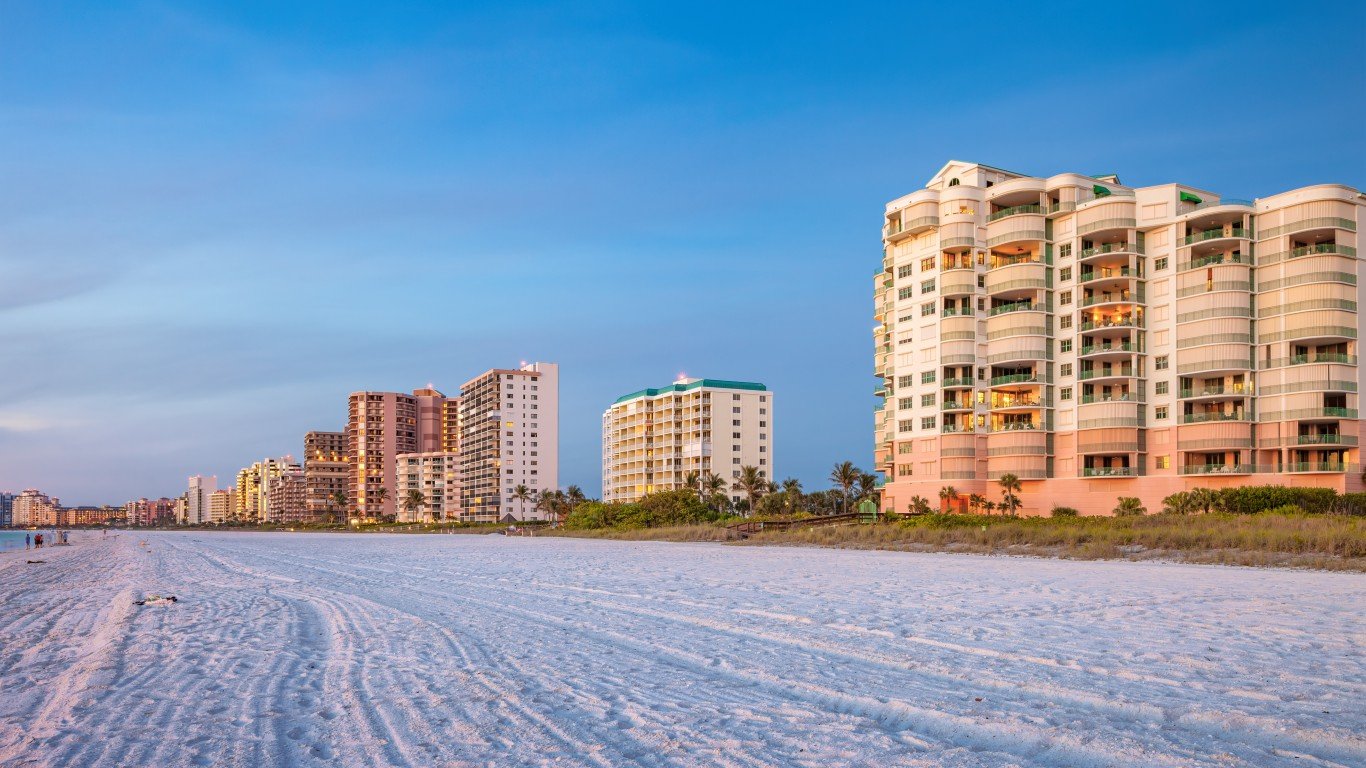
Her framing captures a national shift. The median HOA fee tracked by Realtor.com now sits at $135 a month, up from $125 last year and $108 in 2019. Nearly 85% of townhomes and condos carry an HOA; 33% of single-family homes do. In Miami-Fort Lauderdale-West Palm Beach, average dues run $617 a month against a median home price near $425,000, roughly 27% of a typical mortgage payment. Joel Berner, senior Realtor.com economist calls it “a race to the bottom”: “It’s something that’s a little bit more accepted than it was maybe 10, 20 years ago. As it becomes more common, it’s kind of a race to the bottom.”
The Hidden Tax on Purchasing Power
Lenders roll HOA dues directly into debt-to-income ratios, so every dollar of fees shrinks what a buyer can qualify for. Using an average 6.27% mortgage rate as of March 2026, Bankrate calculates that every $100 a month in HOA dues erases about $16,200 of home-purchasing power. At $700 a month, that’s $113,400 gone before an offer is written, combined with Case-Shiller National Home Price Index at 335.1 in May 2026, sitting in the 90th percentile historically, the affordability math turns hostile. Sales reflect it: existing home sales fell to a 4.09 million annualized pace in June 2026, sitting in soft territory.
From Line Item to Lien
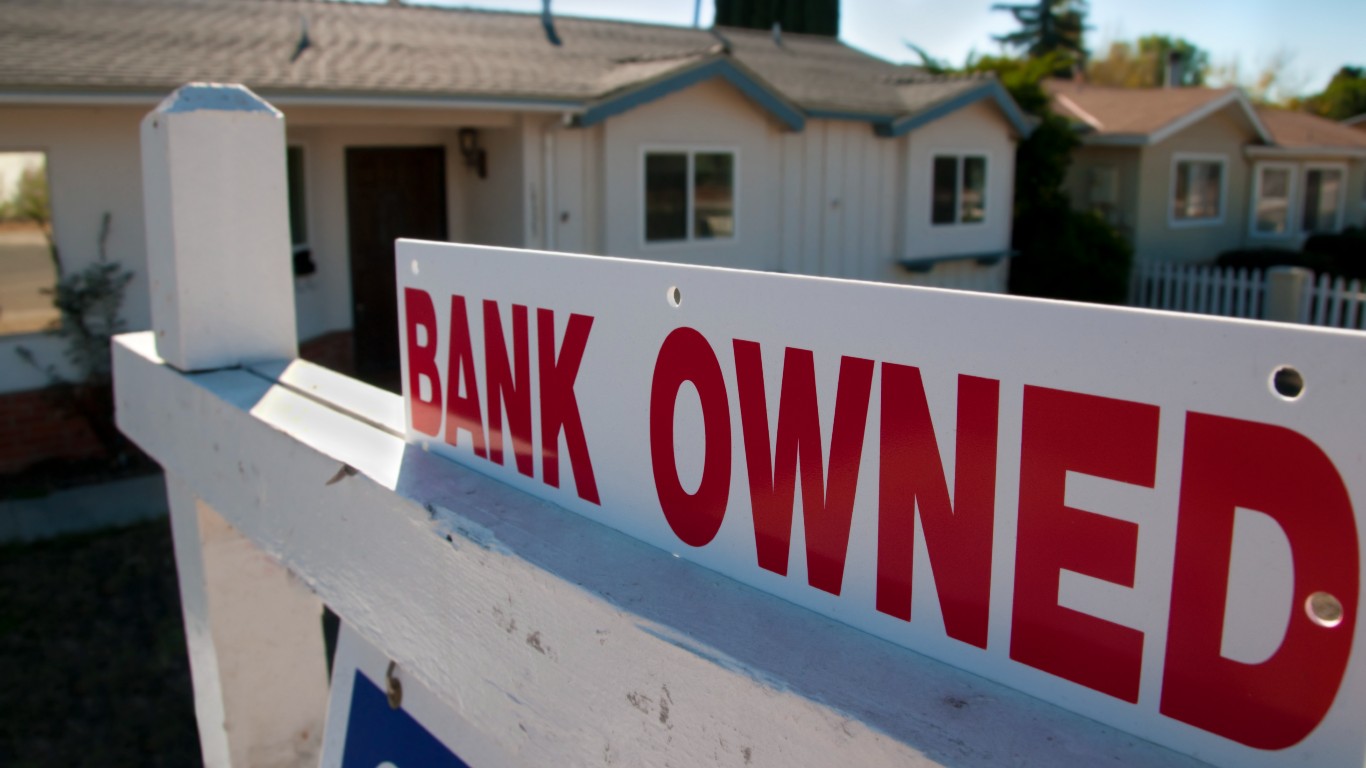
The consequences are showing up in county recorders’ offices. Benutech counted 284,933 HOA liens filed nationally in 2025, up 8.6% from 262,446 in 2024, with Florida, Texas, and California leading. ATTOM Data Solutions reports HOA-related foreclosures jumped 50% nationally between 2022 and 2025. ATTOM’s Ron Barber put it plainly: “For buyers, this underscores that affordability challenges extend beyond purchase price and interest rates into ongoing ownership costs.”
The legal architecture makes this uniquely dangerous. In Nevada, Tennessee, and Washington, D.C., HOAs hold “super-priority” lien rights that can jump ahead of the mortgage lender. Elsewhere, an HOA can still initiate foreclosure over unpaid dues even when a homeowner is fully current on their mortgage. Virginia attorney Ashley F. Morgan notes that HOAs negotiate harder than banks: “Your mortgage [company] is probably going to offer you a modification. Your HOA tends to depend on that money more. So they’re less likely to be reasonable. They’re less likely to reduce balances. Settlements are a lot less likely.”
Special Assessments Are the Sharpest Edge
Special assessments bite hardest. Kimberly Schmidt, a San Diego real estate team lead, described high-rises where “all of the plumbing in the building needs to be redone, and every unit’s portion of that will be $80,000. That’s where it feels like a shadow mortgage.” Roughly 70% of U.S. community associations are estimated to be underfunded, holding reserves at less than 70% of what they should. When deferred maintenance comes due, checks that large land on households whose cushion is already gone: the personal savings rate fell to 2.8% in the second quarter of 2026, down from 6.2% in the first quarter of 2024.
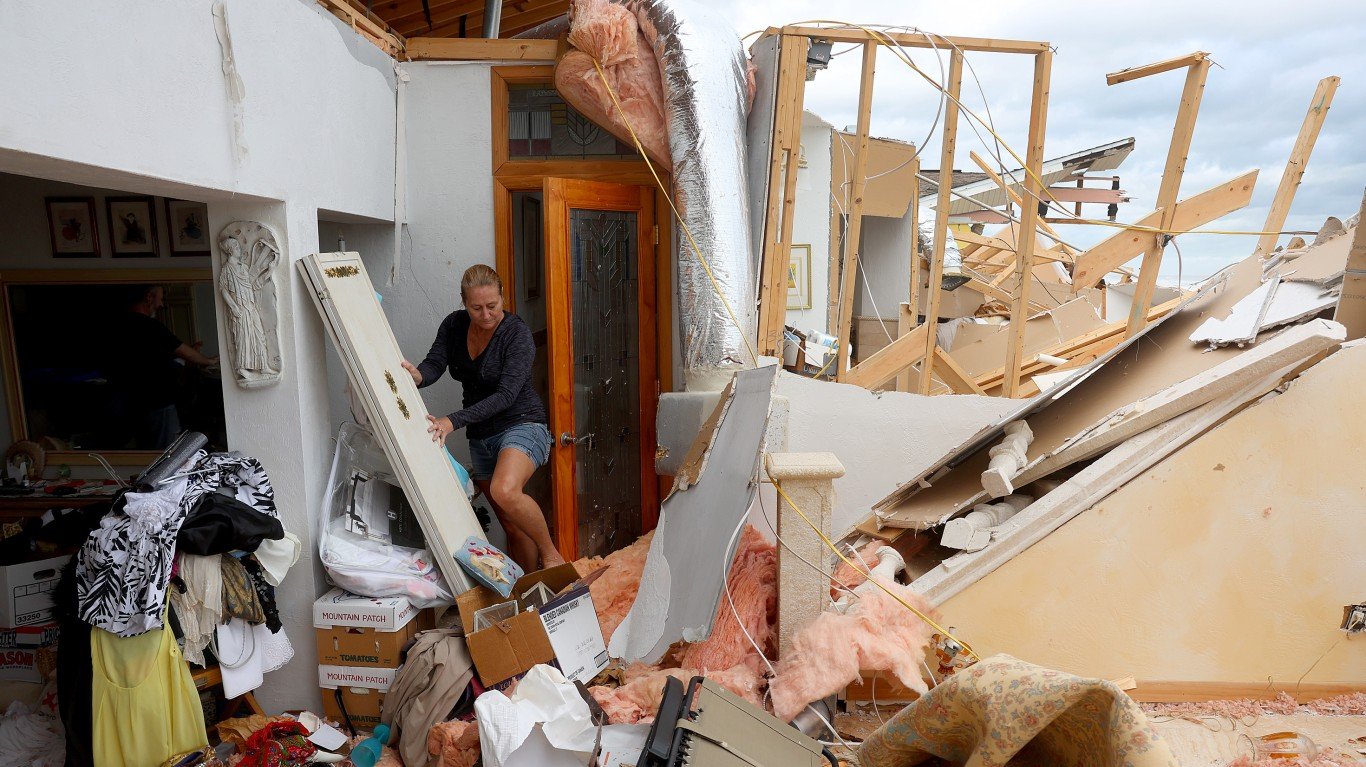
Florida is running its own version of this crisis. After the 2021 Surfside collapse that killed 98 people, SB 4D forced condo associations to fully fund structural reserves, producing special assessments of $20,000 to $50,000 or more per unit. A relief bill signed by Governor Ron DeSantis, effective July 1, 2026, lets associations borrow to fund reserves and pause contributions for urgent repairs. It arrives too late for owners already forced out.
Meleca-Voigt is still looking for a way out. The couple has spent 18 months searching for an HOA-free home and been outbid five times. Her verdict to Bankrate: “Let me just put it definitively, we wouldn’t do it again.” And then the question that hangs over every fixed-income owner watching dues climb faster than the June 2026 Consumer Price Index reading of 332.6: “If this is what it’s like five years in, what are we going to do?”
Contact [email protected] for any questions or corrections.
AJ spent 10 years writing about financial markets at The Motley Fool. His coverage centers on technology stocks and the broader macroeconomic trends, from interest rates to geopolitics, that shape where markets are headed next. AJ is drawn to the stories where big-picture economics and individual companies collide.