The HOA Fee Is the One Retirement Bill That Only Goes Up. Here’s What It Does to a Budget Over 20 Years
A paid-off mortgage feels like the finish line, but one bill in a planned community never stops growing and never disappears. Running a modest condo fee through a 20-year retirement reveals a liability that quietly rivals a second mortgage in…

This post may contain links from our sponsors and affiliates, and Flywheel Publishing may receive compensation for actions taken through them.

Many retirees buy a condo or home in a planned community to avoid maintenance work. The beauty of this kind of living is that someone else handles the roof, lawn, and pool. In exchange, they pay a monthly association bill that continues long after the mortgage is paid off. About 21.6 million U.S. homeowners paid condo or HOA fees in 2024, and in the 100 largest metros, 2.6 million owners paid at least $500 a month. What does that bill cost over a 20-year retirement, and how much of a portfolio does it take to cover it?
Why National Averages Make HOA Dues Look Harmless
For the numbers to make sense, Realtor.com has put the national median monthly fee at roughly $135 for listings that charge dues. Fees rose 32.4% over the past decade. Over the same period, the Consumer Price Index rose about 38%. By these figures, dues have grown more slowly than inflation.
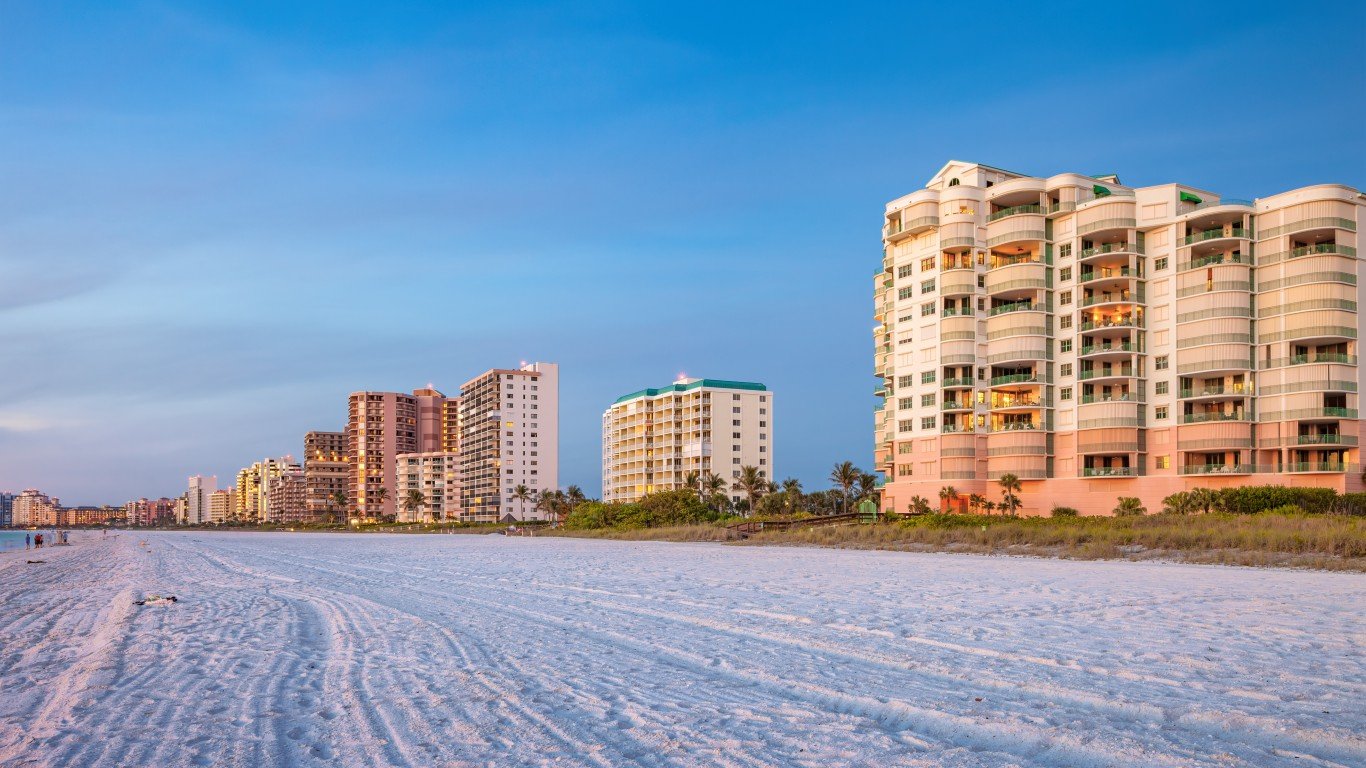
That average mixes new subdivisions, where dues mostly pay for landscaping, with older condo towers that must keep up roofs, elevators, seawalls, and coastal insurance. In Miami-Dade, average high-rise condo fees have exceeded $1,900 a month, about $500 higher than a year earlier. Florida now requires milestone inspections when buildings reach 30 years (or 25 if coastal) and every 10 years after. It also requires structural reserve studies, which make associations fund repairs they had put off.
Outside Florida, residents of Wonder Lake, Illinois, face a proposed HOA increase to pay for lake and dam maintenance. How fast a fee grows depends on the building’s age, its risk exposure, and the shape its reserves were in at purchase.
Running a $500 Condo Fee Through 20 Years
Jacksonville condos typically run closer to $500 a month, so use $6,000 a year as the starting fee. Social Security’s COLA was 2.8% for 2026 and is tracking toward 3.3% for 2027. The stress case assumes dues rise 6% a year, reasonable for an older building dealing with insurance renewals and reserve catch-up.
| Annual dues growth | Year 20 annual bill | 20-year total paid |
|---|---|---|
| 3.3% (matches COLA) | About $11,500 | About $166,200 |
| 6% (aging building) | About $19,200 | About $220,700 |
The two rows are about $54,000 apart. Since Social Security’s inflation adjustment follows the COLA, the portfolio or other income has to make up the difference.
Assume the money is invested at a 5% return and spent down over 20 years. Covering dues that grow at the COLA pace takes about $98,000 set aside today. Covering dues that grow 6% a year takes about $125,000. That’s about an extra $27,000 for every $500 of monthly dues. The $125,000 pot supports a first-year withdrawal of about 4.8%, which works because it is meant to run out at year 20.
What Faster Dues Squeeze Out of a Fixed Budget
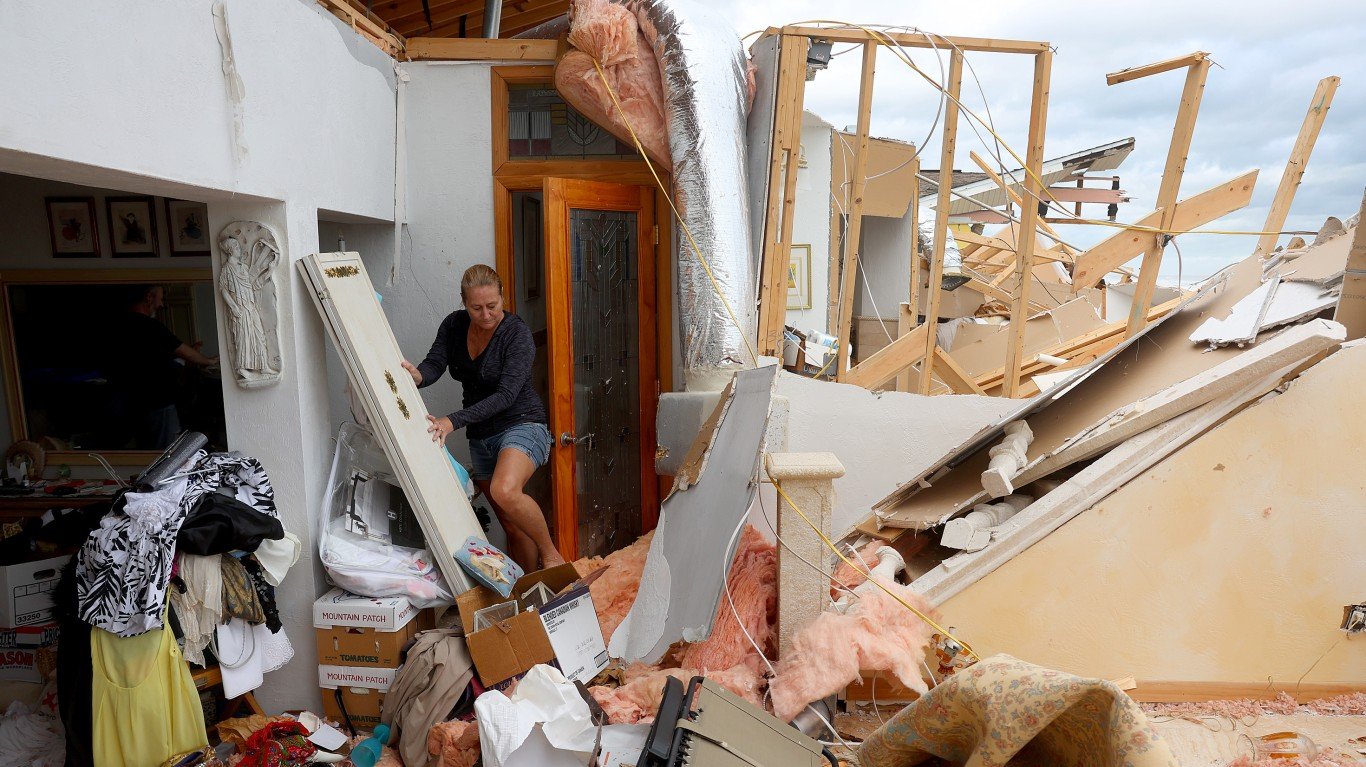
The average U.S. household spent $78,535 in 2024. If dues rise faster than income, they take up a larger share of the budget each year. Special assessments come on top of monthly fees. When a building has underfunded reserves, it closes the gap with an assessment or sudden dues increase. Retirees on fixed incomes have the least room to absorb either. In FINRA’s latest survey, 59% of adults 55 and older said they have three months of emergency funds set aside.
Pricing Association Dues as a Liability That Compounds
The fee quoted at closing is the first payment on a 20-year obligation that grows every year. The building, more than the economy, sets how fast it grows. Useful research before buying includes reading the reserve study, checking what share of expected repair costs the reserves actually cover, asking for five years of insurance renewal history, and finding out when the next milestone inspection is due. A building with well-funded reserves and a recent inspection can probably keep dues near the COLA. An older coastal building with thin reserves points to the 6% row of the table.
Carrying this bill takes about $125,000 for every $500 of monthly dues, invested at a 5% return over a 20-year period. A full year of dues, $6,000 at this fee level, held in short-term Treasuries would provide a buffer for assessments. An underfunded reserve study points to the need for a larger cash cushion or a lower unit cost. The building’s reserve study is the best guide to whether dues will actually track Social Security.
Contact [email protected] for any questions or corrections.
David Beren has been a Flywheel Publishing contributor since 2022. Writing for 24/7 Wall St. since 2023, David loves to write about topics of all shapes and sizes. As a technology expert, David focuses heavily on consumer electronics brands, automobiles, and general technology. He has previously written for LifeWire, formerly About.com. As a part-time freelance writer, David’s “day job” has been working on and leading social media for multiple Fortune 100 brands. David loves the flexibility of this field and its ability to reach customers exactly where they like to spend their time. Additionally, David previously published his own blog, TmoNews.com, which reached 3 million readers in its first year. In addition to freelance and social media work, David loves to spend time with his family and children and relive the glory days of video game consoles by playing any retro game console he can get his hands on.