Could SpaceX Realistically Hit $1 Trillion in Revenue by 2030?
Elon Musk has set a revenue target so bold that even his biggest believers are doing a double-take, and whether SpaceX can actually get there hinges on a chain of moonshots that have never been attempted before.

It’s been a wild ride in both directions for shares of Space Exploration Technologies (NASDAQ:SPCX | SPCX Price Prediction), which showed signs of life after sharply ricocheting more than 28% in just a handful of trading sessions. Indeed, call it a correction to the upside or an upward crash, if you will, but Elon Musk’s $1.76 trillion space empire is as tough to short as it is to hang onto.
With the stock now less than two dollars shy of its $135.00 per-share IPO price, questions linger as to whether this window of opportunity to get in at below the ground floor (at least for everyday retail investors) will stay open for long. Of course, there’s a chance that it could open wider with a far better price of admission as investors hesitate over the CapEx bills that come with expensive AI endeavors.
Either way, if you’re a believer in Elon Musk and think he’ll come remotely close to hitting his target of $1 trillion in revenue by 2030, it’s pretty hard to argue against shares being a steal at these depths.
SpaceX is growing (and spending) rapidly. Should you buy at below the IPO price?
Indeed, retail has grown tired of rising AI-related CapEx. And for SpaceX and the rest of the mega-cap tech stars betting on the technology, the bills are likely just going to keep going higher. That’s a major reason why I urged investors to be comfortable with the financial reality of the situation before punching a ticket into the name.
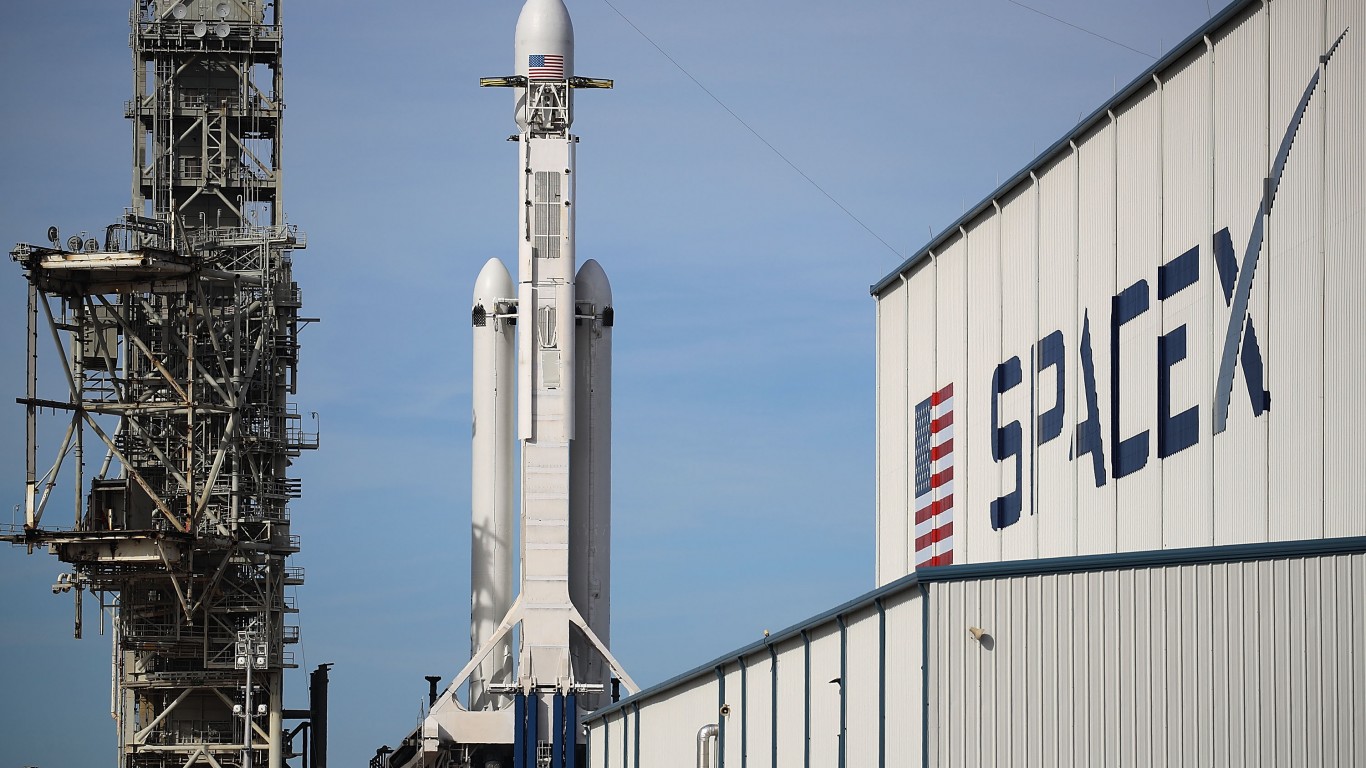
While many will be quick to dismiss the possibility of $1 trillion worth of sales within a four-year timeframe, just as they would the concept of orbital AI data centers, I do think that Elon Musk’s profoundly ambitious target might be hit, if not by 2030, perhaps some years after, provided all goes well with all of those “Star” projects, especially Starship, which is pretty much the backbone for other growth engines that could take SpaceX to new heights. But, more importantly, is how fast SpaceX can move with its AI projects (Grok, Cursor and Colossus), which, as I’ve noted in previous pieces, is the timelier opportunity to go after.
So, the big question on the minds of many right now is whether that “$1 trillion in revenue by 2030” headline is just a moonshot in the dark or if it’s a realistic timeline. Before you label it as a pipe dream, given Mr. Musk has been known to be aggressive with his timelines, I do think it’s worth having a closer look at the pathway to get there and how a bull-case scenario could pan out.
That sky-high milestone isn’t impossible. But that doesn’t mean it’s probable
And when you weigh the Wall Street-high price targets on the stock, especially that $800.00 per share figure held by Raymond James, it’s clear that there are believers in the company and the potentially severe undervaluation to be had at a hair below the IPO price.
Time will tell if AI data centers in space will actually work within just a few years. In any case, Raymond James seems more than willing to give Mr. Musk the benefit of the doubt, especially considering the potential for asymmetric upside.
If Starship proves to be the rails to space and orbital data centers take off, unlocking the massive total addressable market (multi-trillion dollars?) sooner rather than later, perhaps the dual monopoly with Starship and the Starmind AI satellite could get SpaceX’s top line to or even slightly above that $1 trillion mark.
If that were to happen, let’s just say $800.00 per share and a market cap of more than $10 trillion for the company isn’t all that absurd.
$1 trillion in sales by 2030? I wouldn’t count on it
In my humble opinion, 2030 is a tad too aggressive a timeframe, especially when you consider how long it takes to perfect a first-of-its-kind AI compute satellite, not to mention it’ll probably take at least five years or so before SpaceX can scale its money-makers like terrestrial data center projects and Starlink, as the satellite connectivity service looks to upend the telecom industry.
Add the Terafab into the equation, which should hit full speed in 2030 (think 1 terawatt of annual compute), and I do think the growth engines are there to keep sales growth humming along, perhaps in the high-double digits.
Of course, to get to $1 trillion in sales by 2030, SpaceX will need to achieve an off-the-charts compound annual growth rate in the triple digits (around 115% or so). Possible? If all goes well, sure. But probable? Probably not. I’d look for the milestone to be hit closer to 2036.
Contact [email protected] for any questions or corrections.
Joey is a 24/7 Wall St. contributor and seasoned investment writer whose work can also be found in publications such as The Motley Fool and TipRanks. Holding a B.A.Sc in Computer Engineering from the University of British Columbia (UBC), Joey has leveraged his technical background to provide insightful stock analyses to readers.
Joey's investment philosophy is heavily influenced by Warren Buffett's value investing principles. As a dedicated Buffett disciple, Joey is committed to unearthing value in the tech sector and beyond.