Situational Awareness’ 13F Reveals an $11 Billion AI Bet That Unraveled in Under a Month
Leopold Aschenbrenner built one of the most concentrated AI bets in hedge fund history, and then watched it come apart in under a month in ways that forced a fire sale to a rival firm.

This post may contain links from our sponsors and affiliates, and Flywheel Publishing may receive compensation for actions taken through them.

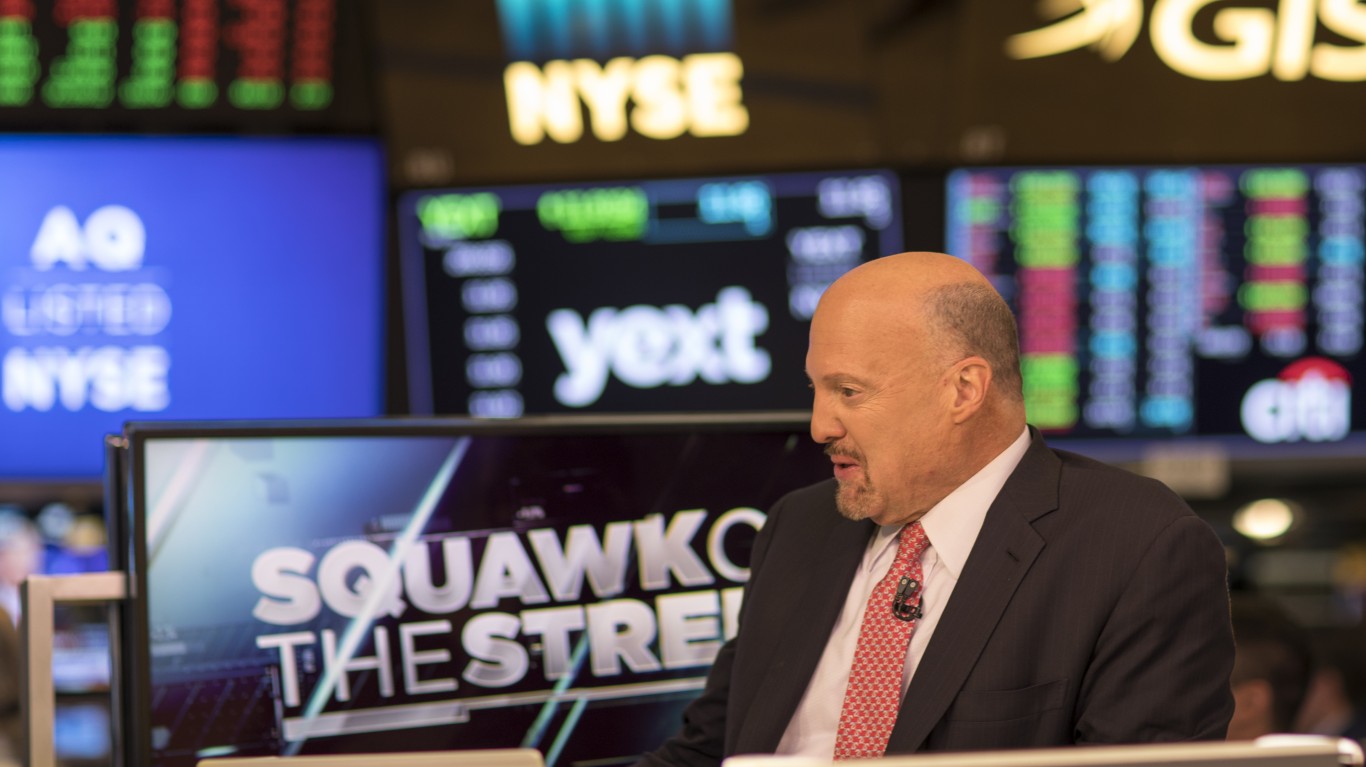
On CNBC this morning, Leslie Picker walked viewers through the newly released Q2 13F filing from Situational Awareness, the AI-focused hedge fund run by former OpenAI researcher Leopold Aschenbrenner. The filing reveals a point-in-time snapshot as of June 30, 2026, capturing the fund’s holdings at the top of a concentrated, levered wager on the memory and AI infrastructure trade just weeks before that trade cracked.
Picker described the setup this way: “The firm, run by former OpenAI researcher Leopold Aschenbrenner, was piling into multiple names that ultimately bore the brunt of the AI selloff.“ She added that “he had dramatically increased stakes in Micron and SanDisk during Q2, those two names representing more than $11 billion in long exposure as of June 30th.”
The $45 Billion Fund Went All-In on AI Memory
SanDisk (NASDAQ:SNDK | SNDK Price Prediction) and Micron Technology (NASDAQ:MU) were the twin pillars of Situational Awareness’s wager.
SanDisk rode the NAND-for-AI thesis to extraordinary heights. CEO David Goeckeler told investors on the Q4 FY2026 call that “fiscal year 2026 was the year SanDisk redefined what this franchise can be,” pointing to $2,977 million in Q4 datacenter revenue and full-year datacenter growth of 437% year-over-year.
The company signed 10 New Business Model agreements tied to $93.9 billion in minimum revenue commitments. Between June 30 and July 29, SanDisk shares fell 55.32%, from $2,273.73 to $1,015.89.
Micron told a similar story on the way up. Q3 FY26 revenue reached $41.5 billion, gross margin hit a record 84.9%, and non-GAAP EPS came in at $25.11. CEO Sanjay Mehrotra pointed to 16 Strategic Customer Agreements and $100 billion in cumulative minimum-price revenue commitments. Between June 30 and July 29, Micron shares fell 35.97%, from $1,154.11 to $739.
The Rest of the Public Book Also Slid
Additional public holdings included NIO, Taiwan Semi, and Bloom Energy, all of which declined significantly in July.
Bloom Energy (NYSE:BE) positioned itself as the on-site power standard for AI factories, with CEO KR Sridhar telling analysts that “all the major US hyperscalers and over a dozen US neoclouds, AI labs, and colocation data center operators have validated and approved our power solutions.” Bloom shares fell 45.9% across the same 29-day window.
Taiwan Semiconductor Manufacturing (NYSE:TSM) fell 21.55% despite reporting Q2 revenue of $40.2 billion and raising 2026 capex guidance to $60 to $64 billion.
NIO (NYSE:NIO), the Chinese EV maker with heavy in-house chip investment, fell 5.93% over the same period. The SPDR S&P 500 ETF (NYSEARCA:SPY) fell just 2.32% over the same window, and the VIX briefly spiked to 20.66 on July 29. The damage was concentrated in the fund’s chosen names while the broader market barely budged.
The Forced Sale to Citadel
Picker described the endgame: “Over the ensuing 29 days before Aschenbrenner sold much of his liquid positions to Citadel, SanDisk lost half of its market value, while Micron declined by more than one third.” The fund had managed $45 billion at peak, and assets plunged to approximately $10 billion after the July selloff.
Private Holdings Now Carry the Firm
Situational Awareness’s collapse from around $45 billion in assets to $10 billion showed what can happen when concentrated exposure to cyclical companies is magnified with leverage. SanDisk and Micron produced extraordinary gains on the way up, but their reversal left the fund with little choice but to sell into weakness. Its private holdings, including an estimated $5 billion Anthropic stake, now provide much of the remaining support, but those valuations could face their own test if enthusiasm for AI spending continues to cool.
Contact [email protected] for any questions or corrections.
Thomas Richmond is a financial writer and content strategist with 5+ years of experience covering stocks and financial markets. He has published over 500 articles focused on individual stock analysis, helping investors better understand business fundamentals, stock valuations, and long-term opportunities.
Thomas previously served as a Content Lead at TIKR, a stock research platform, where he helped scale the company’s blog to hundreds of articles per month and contributed to a weekly newsletter reaching more than 100,000 investors.
Outside of work, Thomas enjoys weight lifting and soccer.