Daniel Sundheim’s Hedge Fund Put More Than 60% of Its Portfolio Into SpaceX
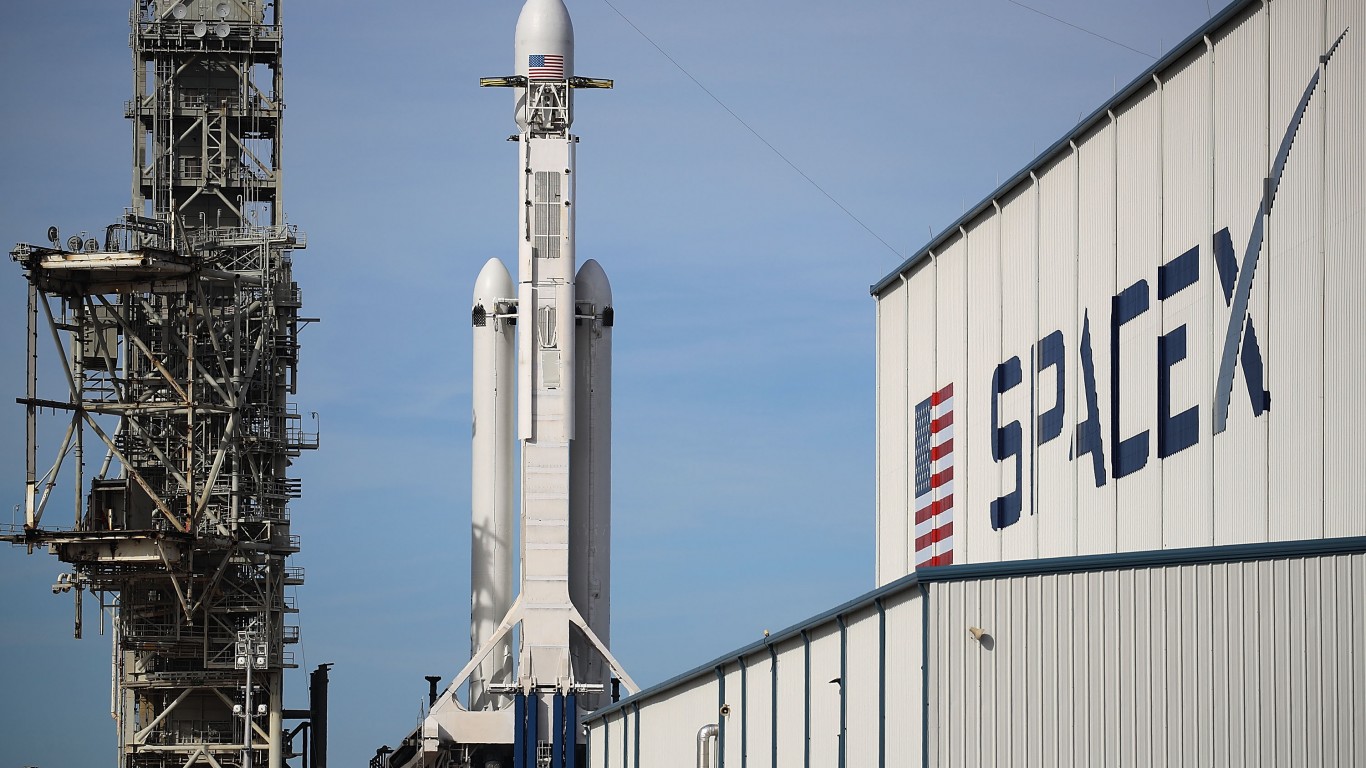
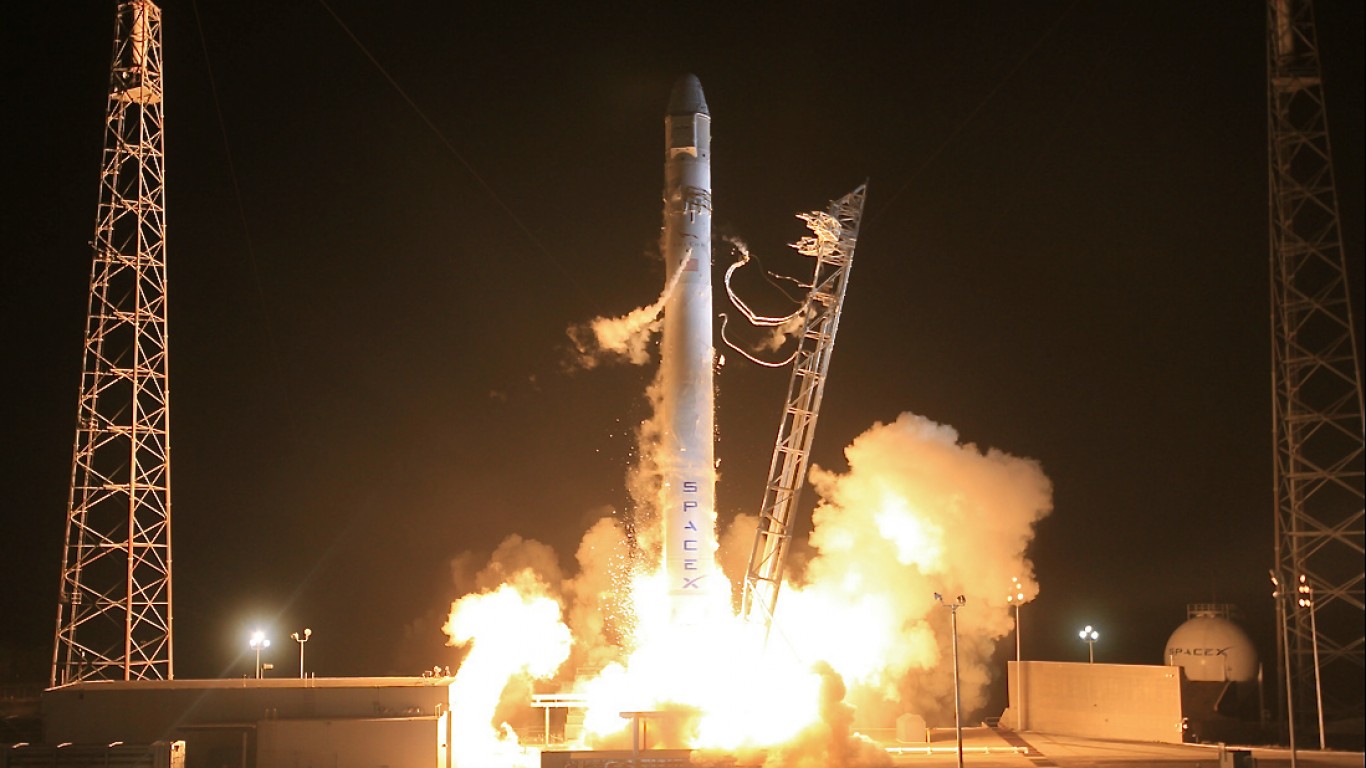
Daniel Sundheim built a position in SpaceX so large it dwarfs every other holding in D1 Capital's book, and the reason behind that concentration rewrites the usual story about what kind of company SpaceX actually is.

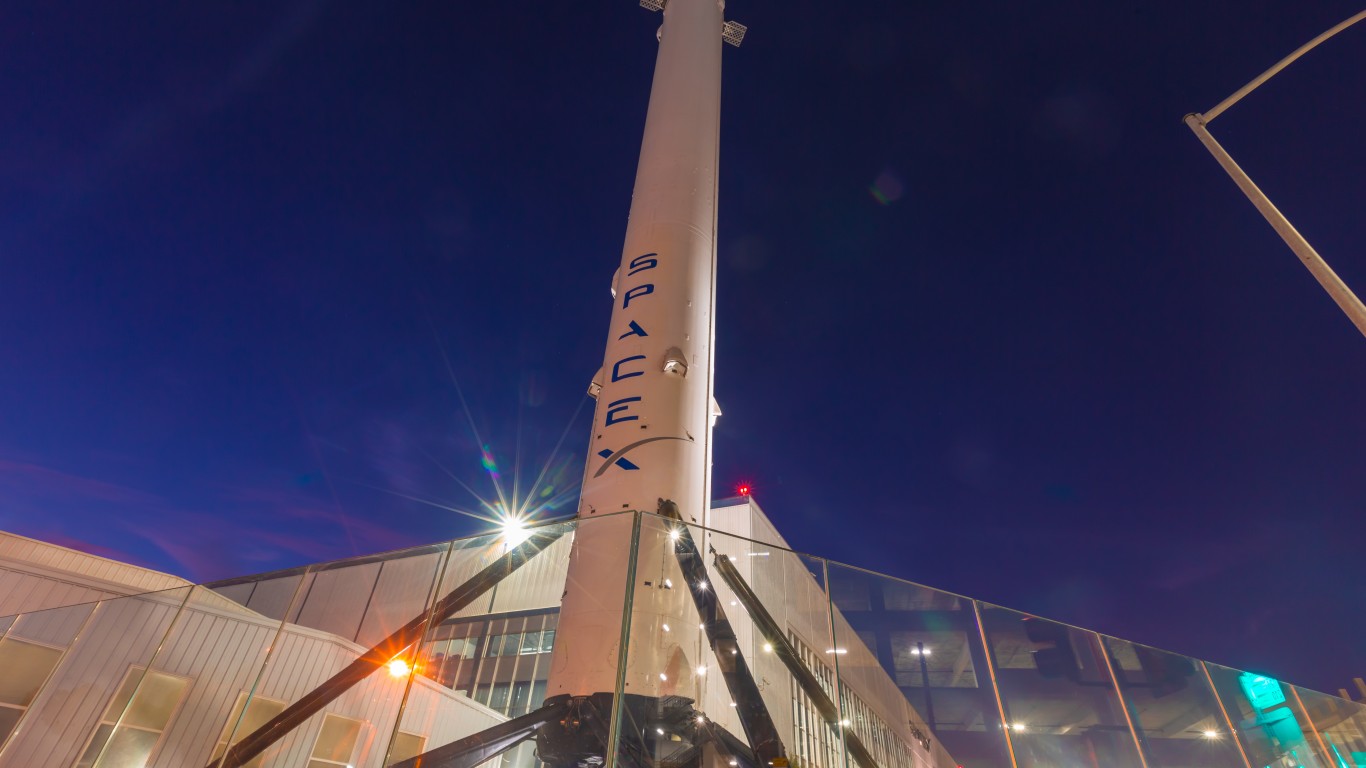
Daniel Sundheim’s D1 Capital Partners disclosed on Aug. 14 a SpaceX (NASDAQ:SPCX | SPCX Price Prediction) stake that dominates its entire reported equity book: 126,042,232 shares valued at $21,535,575,760, representing 61.91% of its disclosed portfolio as of the June 30 snapshot. For context, D1’s next largest disclosed holding, Maplebear (NASDAQ:CART), sits at 3.07% of the book. That gap is the story.
What the Filing Actually Discloses

This is a first disclosure of SpaceX, not evidence Sundheim bought aggressively last quarter. SpaceX only began trading publicly in June 2026, so a crossover fund like D1 almost certainly held these shares privately long before the IPO forced them onto a 13F. The filing tells us Sundheim carried that pre-IPO conviction straight through the listing rather than trimming into the listing.
Peer filings for the same quarter frame just how unusual the weighting is. Gavin Baker’s Atreides Management reported SpaceX at 32.58% of portfolio, itself an aggressive concentration. Philippe Laffont’s Coatue disclosed 18,561,780 shares flagged as a genuine new position. Brad Gerstner’s Altimeter came in at 3.09%, and Alex Sacerdote’s Whale Rock at 0.21%. The counterpoint: Leopold Aschenbrenner’s AI-dedicated Situational Awareness fund filed no SpaceX position at all, concentrating instead in Sandisk, Micron, Bloom Energy, and CoreWeave. Not every sophisticated AI-focused manager wanted this name.
The Underlying Thesis
The bull case rests on treating SpaceX as an AI holding company wearing an aerospace jersey. The AI Investor Podcast’s SpaceX deep dive argues that within the next year, the majority of revenue will come from renting data centers on Earth, and that Musk’s $60 billion acquisition of Cursor is a direct bet on that transition. The Q2 numbers back the framing. AI segment revenue reached $2.56 billion, up 247% year over year, Starlink hit $4.29 billion with subscribers doubling to 12.0 million, and total revenue grew 92% year over year to $7.81 billion.
The podcast also flagged a technical setup worth remembering: only 4% of shares trade, and the number of ETFs holding the stock jumped from four to 120 in days around the IPO. Forced passive demand met a tiny float. Sundheim was on the right side of that mechanic.
What This Means for a Retirement Investor

Do not confuse disclosure with endorsement of the trade at today’s price. Sentiment has since turned defensive. The composite prediction-market read is bearish at 35.22, and shares trad around $143.06, well off the post-IPO high of $211.39. Analysts still carry a $227 target with 27 Buy ratings, but Q2 also showed a $541 million net loss and $18.37 billion in single-quarter CapEx.
The verdict: the filing is worth studying. A 61.91% single-name weight reflects a hedge fund’s professional risk budget and sits far outside a typical retirement allocation. What the disclosure actually tells us is that one of the sharper crossover investors carried unusually large conviction through the IPO window. That is a data point for sizing rather than a signal to concentrate a retirement book behind him.
Contact [email protected] for any questions or corrections.
Joel South covers large-cap stocks, dividend investing, and major market trends, with a focus on earnings analysis, valuation, and turning complex data into actionable insights for investors.
He brings more than 15 years of experience as an investor and financial journalist, including 12 years at The Motley Fool, where he served as an investment analyst, Bureau Chief, and later led the Fool.com investing news desk. He has also co-hosted an investing podcast and appeared across TV and radio discussing market trends.