“He’s Back, He’s Bigger Than Ever”: 24-Year-Old Who Blew Up $45 Billion Hedge Fund Is Back With Options Bet On AI Stocks
At 24, Leopold Aschenbrenner turned a hedge fund into a $45 billion force in AI markets, then watched it collapse in days. Now he is making a new move, and Wall Street is paying close attention.

This post may contain links from our sponsors and affiliates, and Flywheel Publishing may receive compensation for actions taken through them.

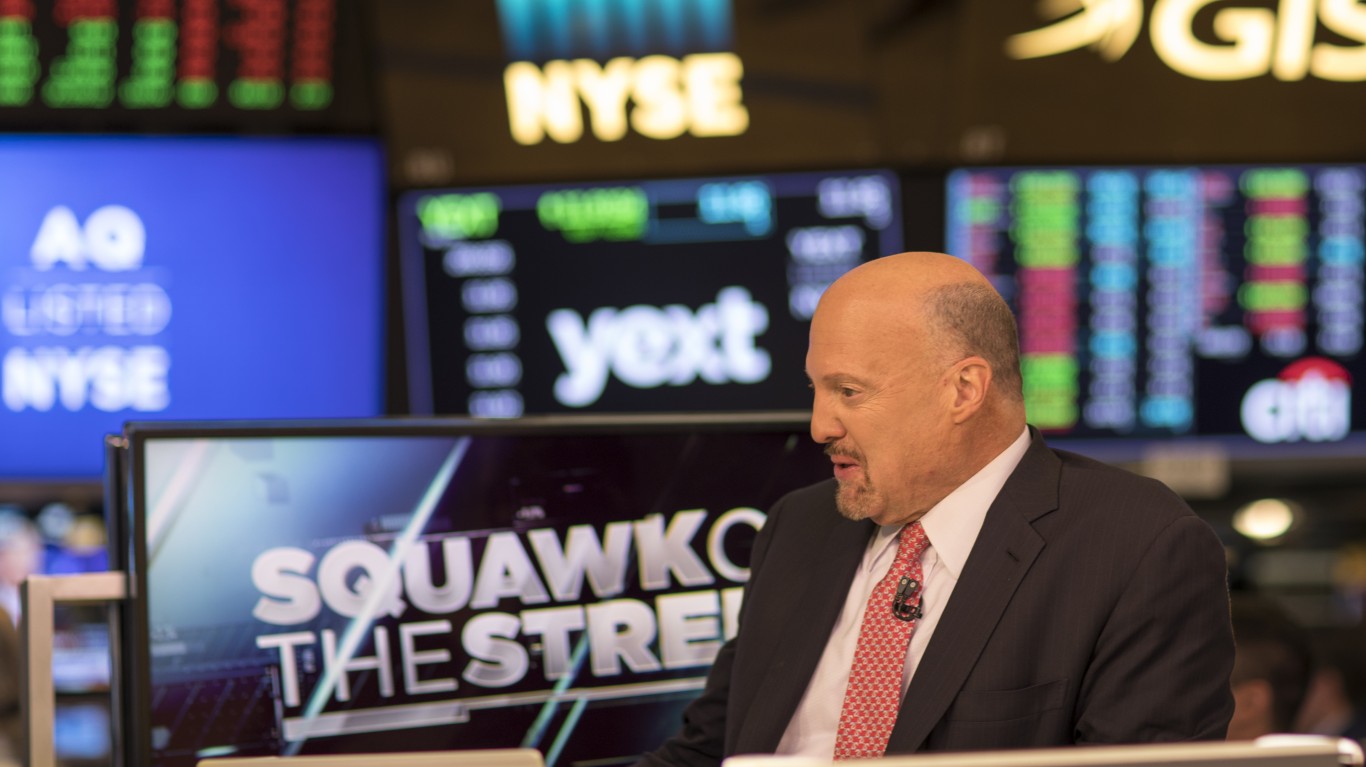
On September 11, 2026, Jim Cramer posted five words on X in reaction to CNBC’s reporting that instantly ricocheted around finance Twitter: “HE’s back, he’s bigger than ever”. He was sharing CNBC’s reporting that Leopold Aschenbrenner’s fund, Situational Awareness, had turned active in the options market again. The post is a headline reaction, well short of a considered market call.
The name matters because of what happened six weeks earlier.
Who Aschenbrenner Is, And What Happened In July
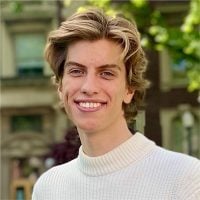
Leopold Aschenbrenner is a former OpenAI researcher who built Situational Awareness into an AI-focused hedge fund that Moneycontrol described as reaching $45-billion by the time he was 24. CNBC’s post-mortem described how he built the $45 billion AI hedge fund and lost most of it in days. BeInCrypto put the wipeout at $35 Billion. Those two dollar figures measure different things: the size the fund reached, and the amount reportedly lost.
On July 30, 2026, CNBC reported that Aschenbrenner was forced to unwind all public stock positions after steep losses, according to The Wall Street Journal. The same day, The Wall Street Journal reported that Citadel bought Situational Awareness’s stock portfolio after the losses. That is the hole he is climbing out of.
Back In The Market, This Time Through Options
Multiple outlets converged on the return story on the same day. CNBC reported on September 11, 2026 that Situational Awareness is active in the options market, according to Quartz. Quartz on September 11, 2026 reported Situational Awareness is buying options after the collapse, according to CNBC. inkl on September 11, 2026 framed it as Aschenbrenner returning to the market with new AI options bets, and UA.NEWS on September 11, 2026 described the fund becoming active in the options market again after an asset decline, according to CNBC.
A quick primer for readers new to the instrument: options let an investor control a large position for a fraction of the cost of buying shares outright, which magnifies both gains and losses. That is why a fund rebuilding after a wipeout might reach for them, and why doing so is risky for anyone copying the trade (we wrote a free playbook on speculating with no more than 5% of a portfolio, with the sizing and exit rules that keep it from hurting, here: Small Stakes, Big Swings).
Why AI Options Bets Almost Always Orbit NVIDIA
No outlet has named the specific tickers behind the new positions. Any conversation about concentrated AI options bets, though, sits in the shadow of NVIDIA (NASDAQ:NVDA | NVDA Price Prediction), whose market cap sits near $5.28 trillion. NVIDIA’s Q2 FY2027 report, filed with the SEC on August 26, 2026, delivered revenue of $96.22 billion, up 105.8% year-over-year, with Data Center revenue of $89.02B, up 117% YoY. Guidance for Q3 called for revenue of $108.0B plus or minus 2%. The earnings release also flagged supply commitments that have surged to $279 billion, tied largely to Vera Rubin production.

Jensen Huang framed the backdrop this way on the call: “AI has reached its inflection point. It’s doing useful work. Its tokens are productive and profitable. Now, compute is revenue.” Retail is leaning in. NVDA’s full-chain put/call ratio sits at 0.45, and r/wallstreetbets threads such as “28k NVDA YOLO. 3 DTE” drew hundreds of upvotes this week.

Contact [email protected] for any questions or corrections.
AJ spent 10 years writing about financial markets at The Motley Fool. His coverage centers on technology stocks and the broader macroeconomic trends, from interest rates to geopolitics, that shape where markets are headed next. AJ is drawn to the stories where big-picture economics and individual companies collide.