Top Biopharma Analyst Sees Biotech M&A Market Reopening After a Long Freeze
A top Barclays biopharma analyst says the forces that froze biotech dealmaking are breaking apart, and the pharma giants shopping for acquisitions have very specific reasons they cannot afford to stop.


Barclays’ Emily Field, Head of U.S. Biopharma Equity Research, told CNBC on Monday, August 24, that the biotech M&A freeze is over. She sees capital markets reopening, large-cap pharma buyers committing to more deals, and fresh oncology data proving that innovation extends well beyond weight-loss drugs.
Why Biotech M&A Suddenly Froze
Field described the prior slowdown in blunt terms. “For a while we had the GLP-1 story, though it felt that that was very company-specific. And then at the beginning of the Trump administration, there were so many questions about broader policy, drug pricing. And so it felt like it put M&A, which really is the lifeblood of the biotech industry, kind of on pause for a while,” she said.
She believes we’re at a turning point: “We get to 2026, and it feels like the capital markets are open for a lot of biotech companies. We’re starting to see more M&A from the large pharma buyers. And then also some real innovation I think has really got markets excited. We had Revolution Medicines’ pancreatic cancer data earlier this year. And then just last week, we saw the Phase 3 results for the cancer vaccine from Moderna and Merck,“ Field said.
Cancer Vaccine Catalyst Behind the Call
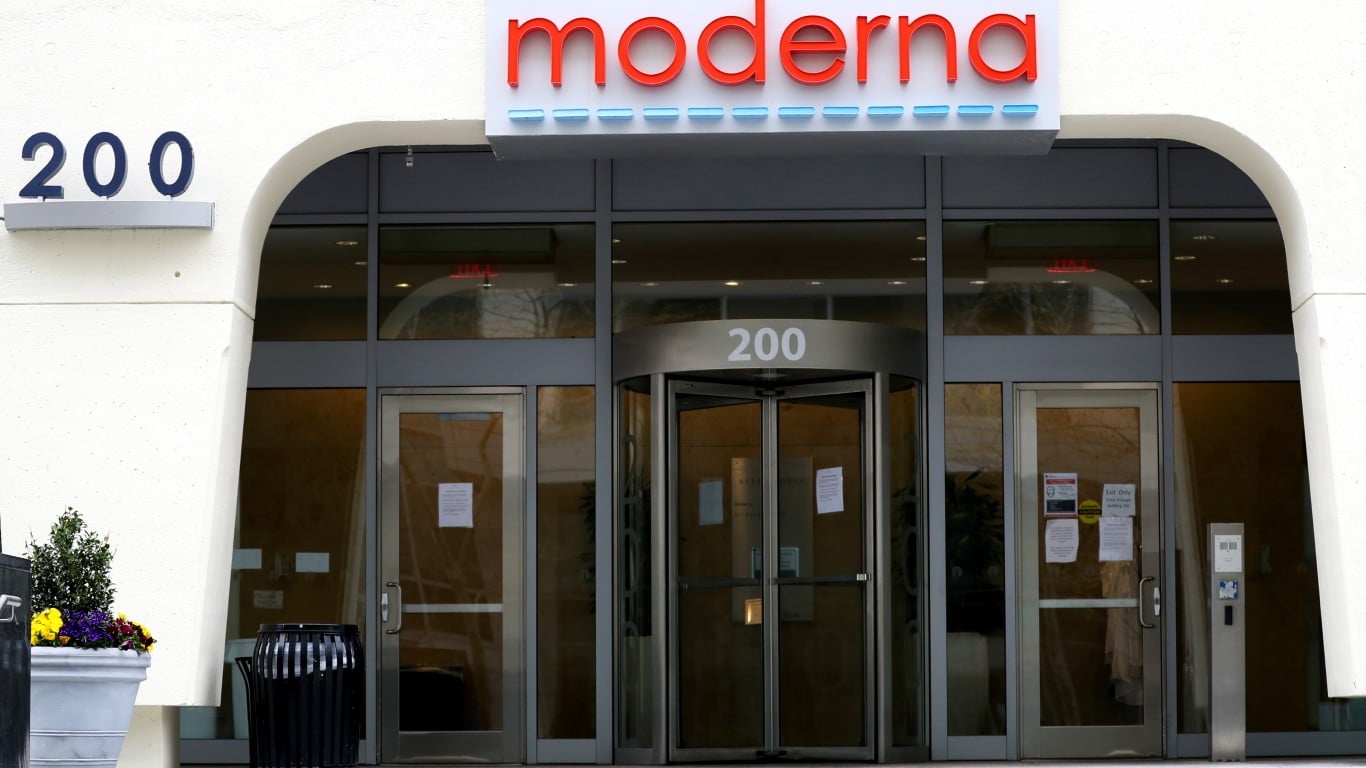
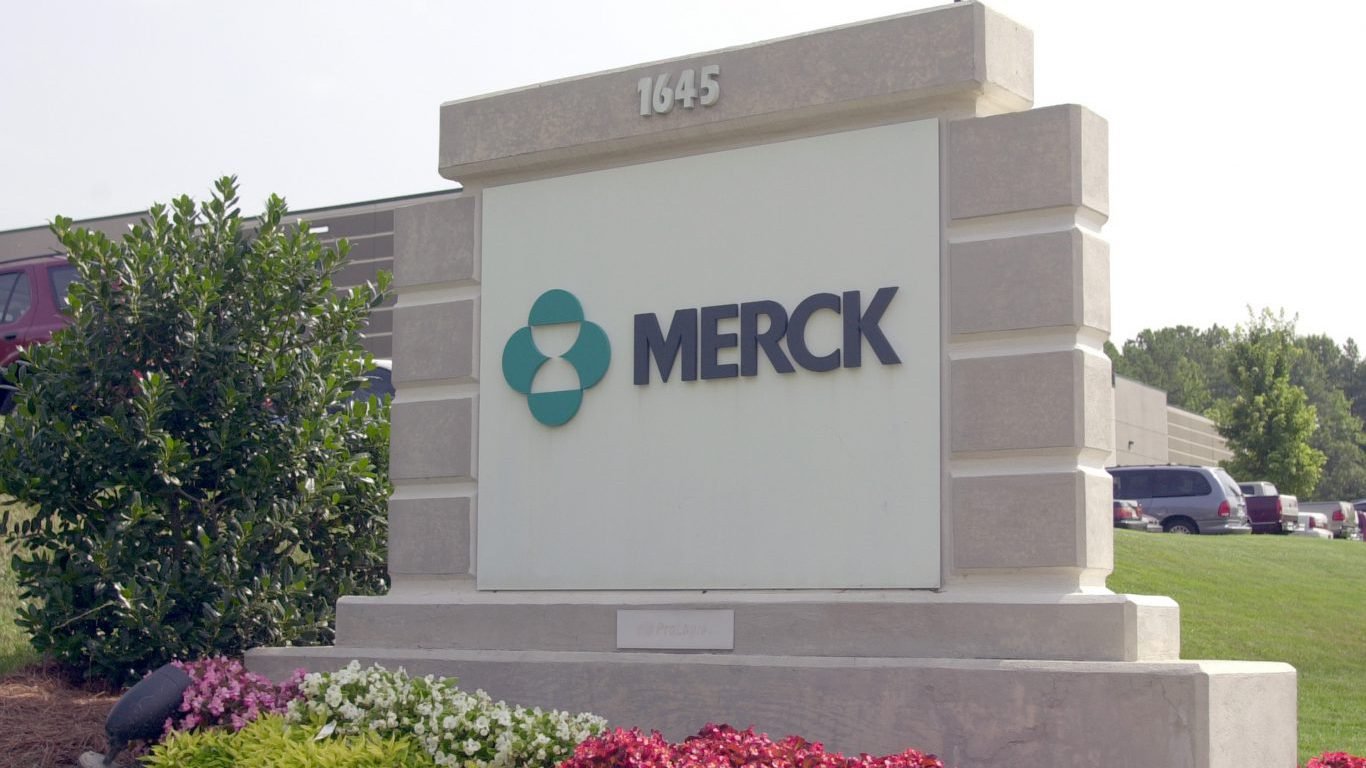
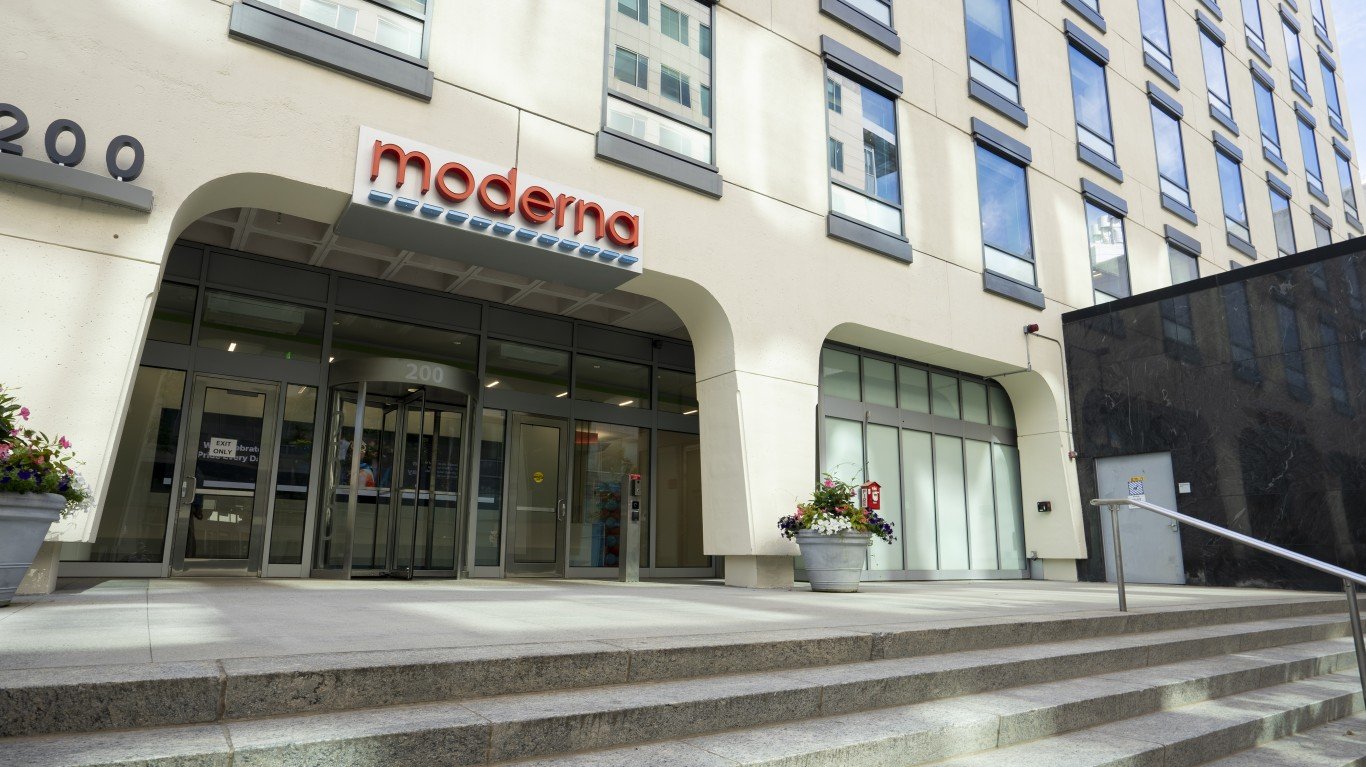
Moderna (NASDAQ:MRNA | MRNA Price Prediction) and Merck (NYSE:MRK) are co-developing intismeran autogene, a personalized mRNA cancer vaccine. Moderna’s CEO told investors the program is advancing across “a broad portfolio of nine Phase II and Phase III studies,” and that the Phase 3 study in adjuvant melanoma is fully enrolled. The five-year Phase 2b data at ASCO 2026 showed a 49% reduction in risk of recurrence or death with the vaccine plus KEYTRUDA versus KEYTRUDA alone, per Moderna’s Q2 press release.
The market reaction was immediate. Moderna jumped 177%, and Merck rose 12.5% on the readout covered by CNBC on August 20. Moderna shares are now at $145.04, up 392.13% year to date. Merck trades at $152.54, up 47.07% year to date, with Keytruda-family sales growing 4% to $8.4 billion in Q2.
Revolution Medicines Put Pancreatic Cancer Back in Focus
Revolution Medicines (NASDAQ:RVMD) is the other data point Field highlighted. The RAS(ON) inhibitor developer’s RASolute 302 Phase 3 in previously treated metastatic pancreatic cancer showed median overall survival of 13.2 months versus 6.7 months for chemotherapy, with a hazard ratio of 0.40.
CEO Mark Goldsmith said the company has “rapidly translated unprecedented Phase 3 results for daraxonrasib into an active Expanded Access Program and the filing of our first New Drug Application.” Shares sit at $209.46, up 162.98% year to date, on a $45 billion market cap that keeps Revolution firmly on the industry’s oncology M&A radar.
Patent Cliffs Make More Acquisitions Inevitable
Field says expiring patents will make more acquisitions inevitable: “The large-cap pharma companies have basically, even after having done deals, for example, AbbVie after the announcement of the deal earlier this summer, was very vocal that they’re still committed to doing more business development. Merck, even with the pipeline success that they’ve had on their own, has done a number of sizable deals, has indicated that they’re still going to be very active,“ she said.
AbbVie (NYSE:ABBV) announced a $10.9 billion acquisition of Apogee Therapeutics expected to close in Q3 2026, and management said it has “ample financial capacity for more business development.” Merck’s Rob Davis called Keytruda’s coming loss-of-exclusivity “more of a hill than a cliff,” a comment underpinned by the Cidara ($9.0B), Terns ($5.8B), and Verona Pharma acquisitions.
The Catalysts That Could Keep the Boom Alive
Field’s closing point ties it together. “These large pharma companies are just going to be continuing to look at biotech to supplement their portfolios,“ she said. Merck faces its Keytruda patent cliff. AbbVie is managing Humira erosion, with Q2 sales down 35.9% to $756 million. Both need external innovation to hit growth targets in the 2030s, and Field’s argument is that the market narrative has widened beyond GLP-1s to reward it.
Contact [email protected] for any questions or corrections.
Thomas Richmond is a financial writer and content strategist with 5+ years of experience covering stocks and financial markets. He has published over 500 articles focused on individual stock analysis, helping investors better understand business fundamentals, stock valuations, and long-term opportunities.
Thomas previously served as a Content Lead at TIKR, a stock research platform, where he helped scale the company’s blog to hundreds of articles per month and contributed to a weekly newsletter reaching more than 100,000 investors.
Outside of work, Thomas enjoys weight lifting and soccer.