Trump’s New Beef with Meat Packers Won’t Fix Record Ground Beef Prices Before Midterms
Trump is picking a fight with the Big Four meat packers and pausing beef tariffs, but the forces actually pushing ground beef toward $7 a pound have nothing to do with corporate greed or trade policy.

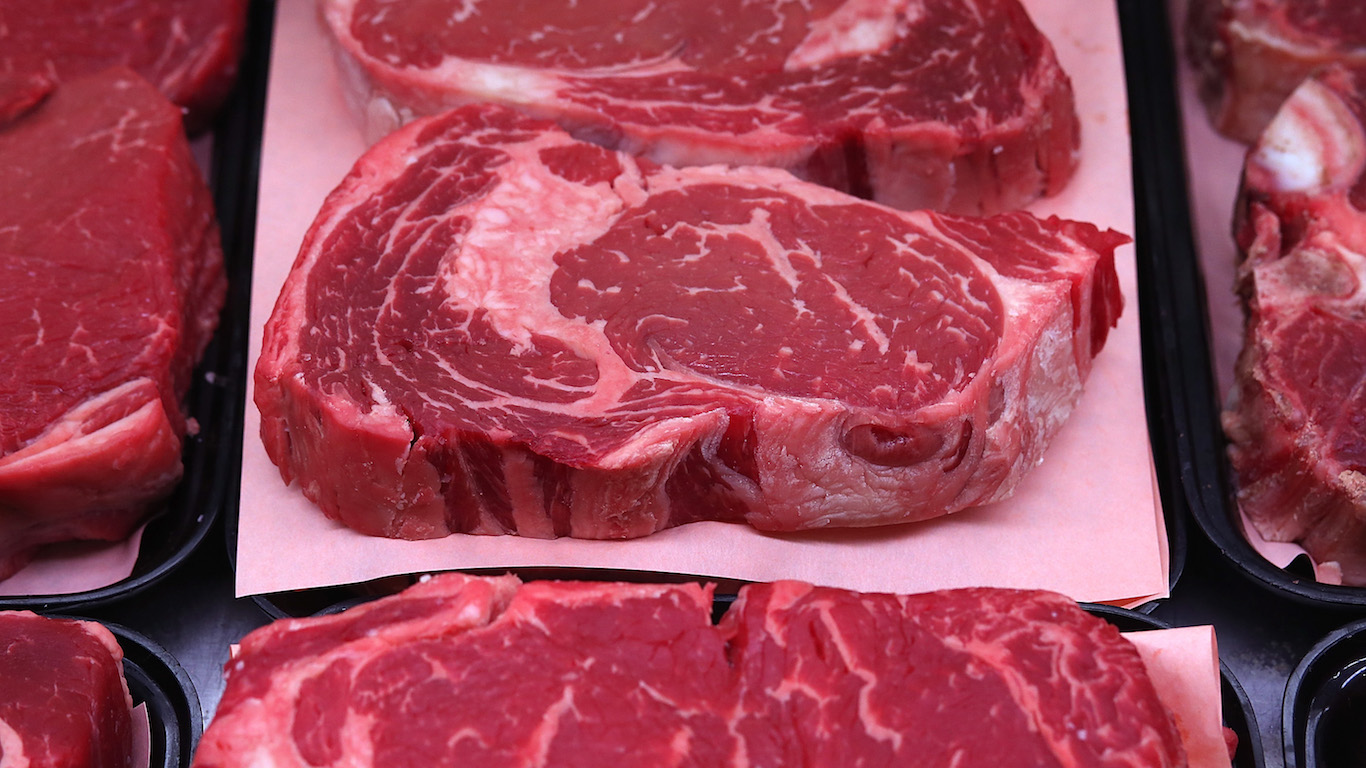
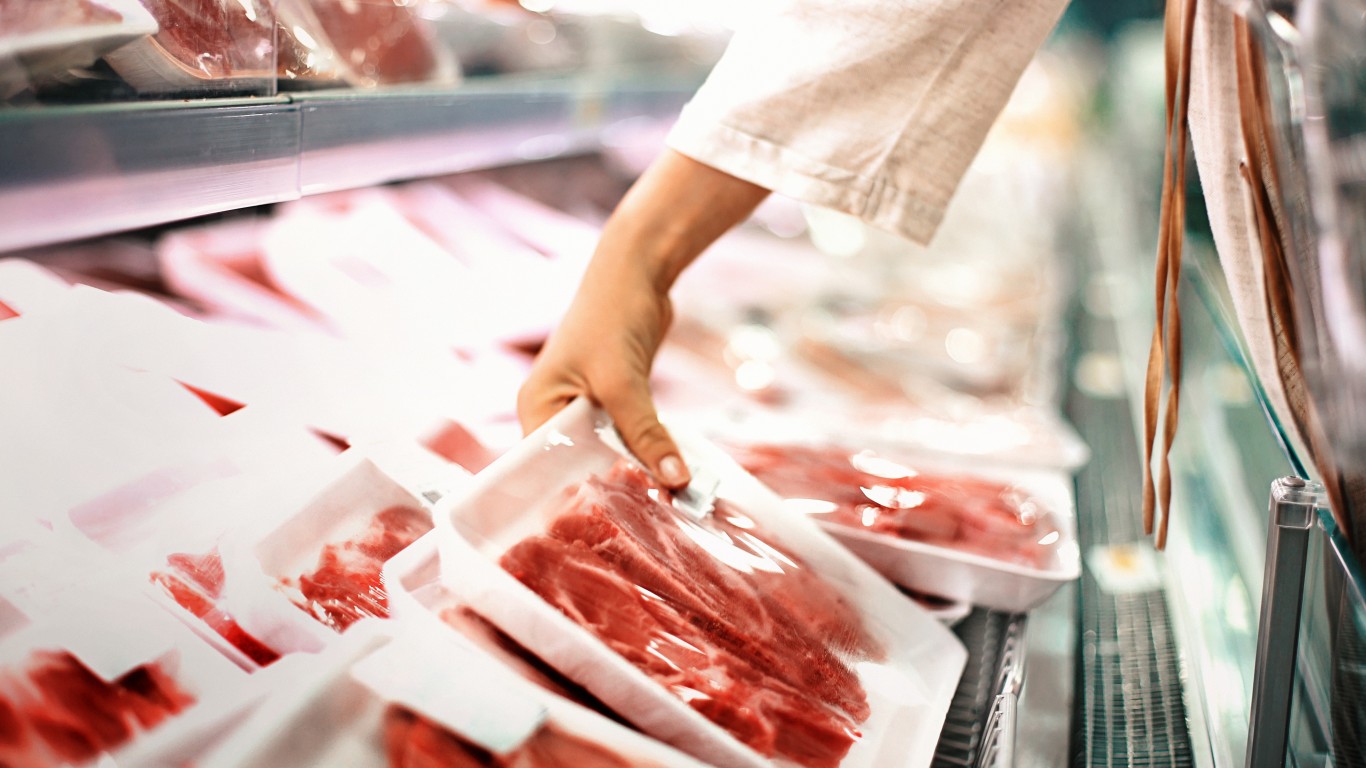
Food prices remain a top voter concern heading into the 2026 midterms, with grocery inflation still pinching household budgets. Ground beef averaged $6.89 per pound in July, according to Bureau of Labor Statistics data — well above the elevated levels seen during the prior administration’s inflation peak.
President Trump’s broad tariffs have added pressure on imported foods and inputs, amplifying the pain at the meat counter. Yet the story runs deeper than trade policy alone.
The Supply Squeeze Behind the Sticker Shock
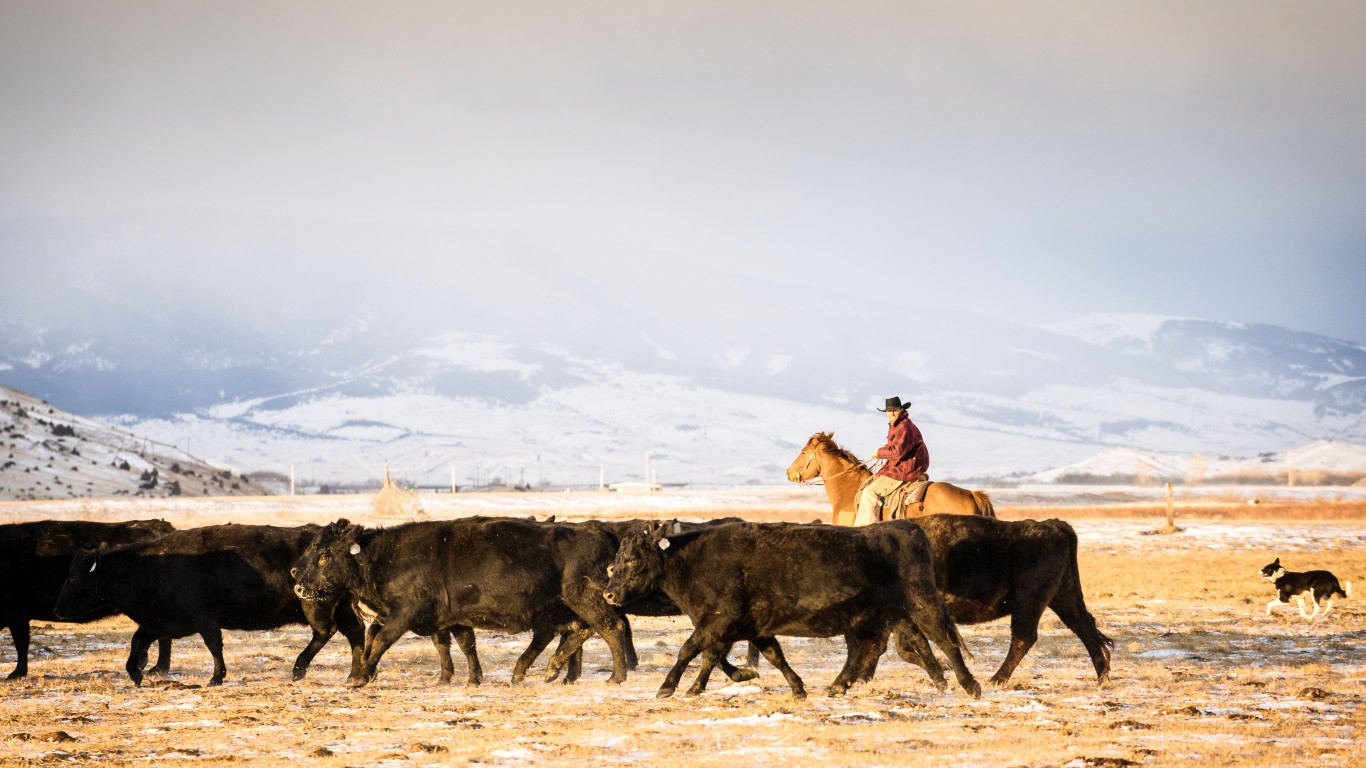
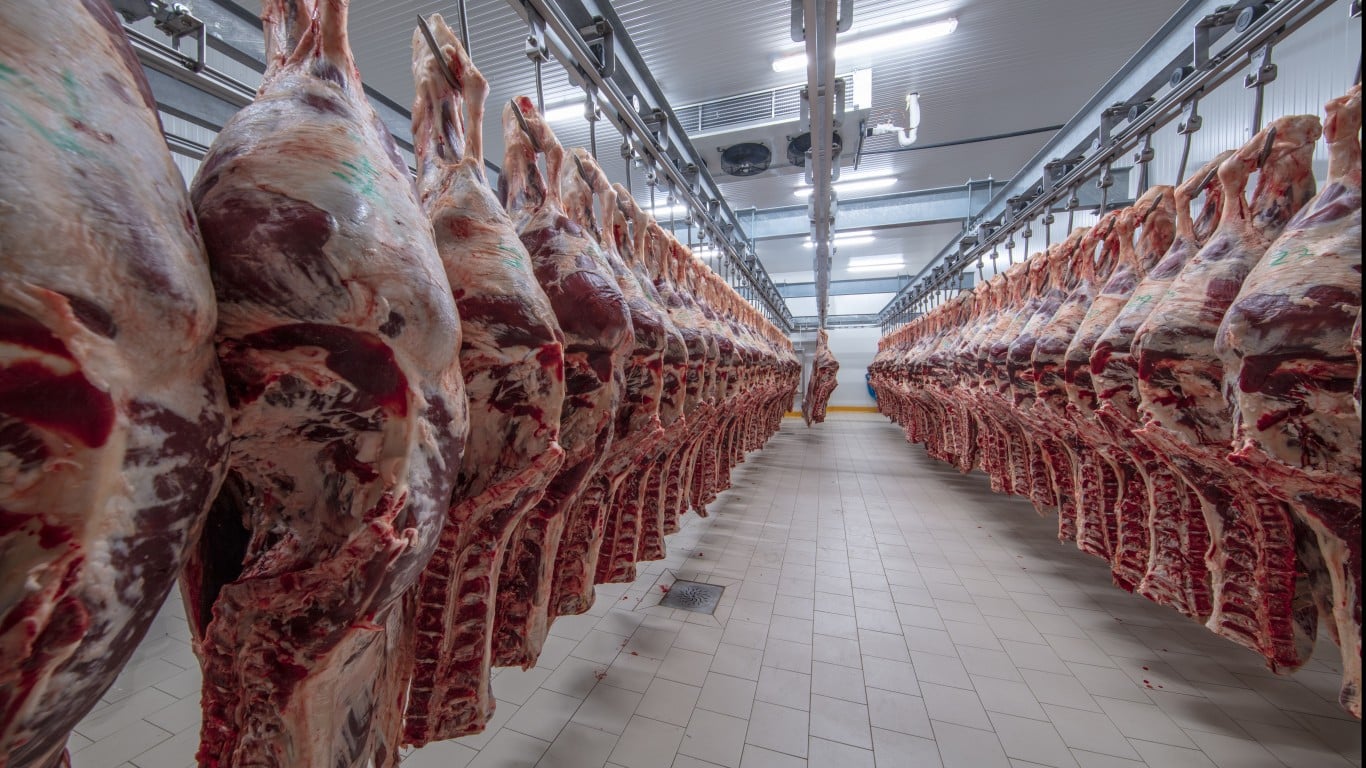
The dominant driver is a historically tight cattle supply. USDA data show the U.S. herd at 86.2 million head early in 2026 — the smallest in 75 years — with beef cows near multi-decade lows around 28.5 million. A multi-year drought forced widespread liquidation as forage dried up. Input costs compounded the problem: cow-calf production expenses climbed nearly 30% since 2020, driven by higher feed, fertilizer, and interest rates. Strong consumer demand met this constrained supply, lifting retail prices even as live-cattle values rose.
Tariffs play a supporting role by raising costs for some imported lean trimmings and feed components, but they are secondary to the biological lag in the cattle cycle. Rebuilding a herd takes years of heifer retention under favorable conditions — conditions that have only recently begun to appear in limited fashion.
Trump’s Tariff Pause and Packer Push
Trump has moved on two fronts. He is temporarily suspending his tariffs on imported ground beef for 90 days starting Sept. 1, to boost ground-beef supply and ease prices ahead of the elections. After the window closes, prices are widely expected to firm again as the temporary flow ends.
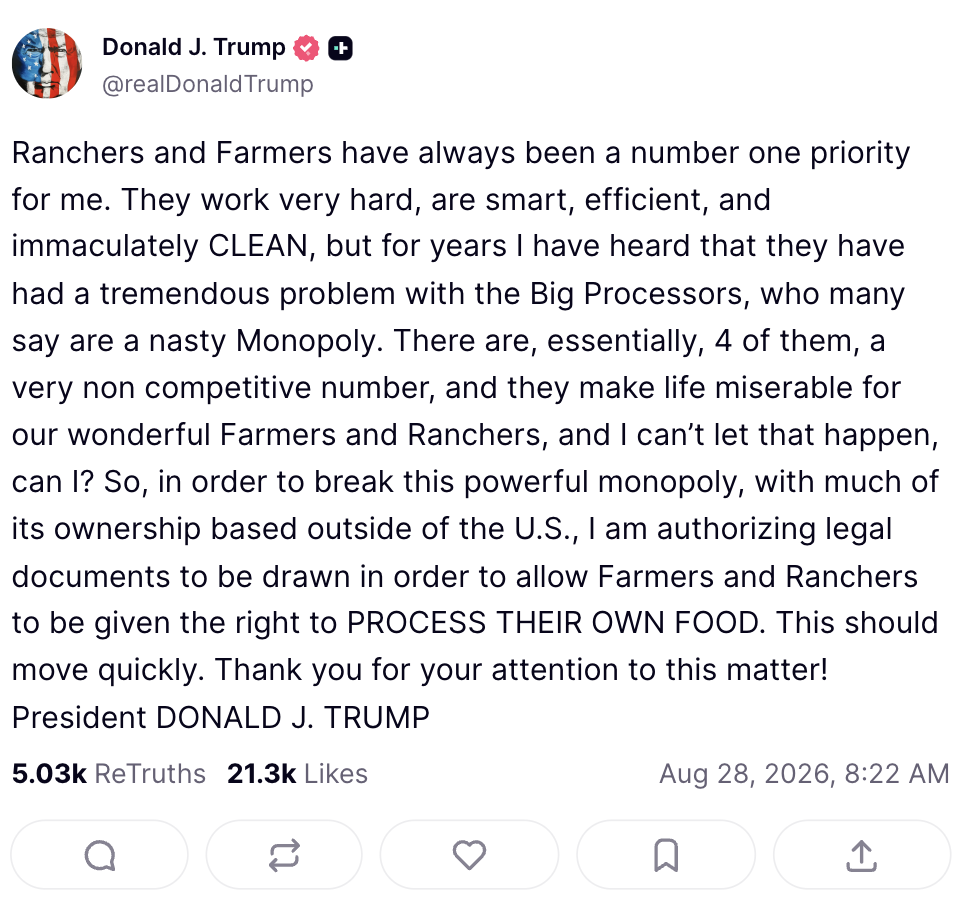
Just this morning, he turned his attention to the Big Four meat processors — Tyson Foods (NYSE:TSN | TSN Price Prediction), Cargill, JBS USA, and National Beef — which control roughly 80% to 85% of U.S. beef processing. In a Truth Social post, Trump wrote that ranchers and farmers “have had a tremendous problem with the Big Processors, who many say are a nasty Monopoly,” noting foreign ownership influence and authorizing legal documents “to allow Farmers and Ranchers to be given the right to PROCESS THEIR OWN FOOD.”
The intent is clearer competition and reduced reliance on the concentrated plants. Investigations into potential anti-competitive behavior have already been referenced by the administration.
Why Ranchers Won’t Rush to the Slaughterhouse
Neither step is likely to deliver lasting near-term relief. The tariff pause is explicitly temporary. Expanded on-farm processing rights face the same practical barriers that have long limited small operators: capital costs for compliant facilities, sanitation standards, labor, and scale economics remain high. Most ranchers will continue selling live animals or using existing custom-exempt channels rather than building commercial plants.
Ironically, much of the concentration traces to federal policy. The Wholesome Meat Act of 1967 imposed federal inspection standards that proved costly for smaller plants. Slaughterhouses numbered nearly 10,000 in 1967 and fell below 3,000 in later decades, accelerating the shift to large-scale operations.
A ready legislative path already exists. KY Rep. Thomas Massie has repeatedly sponsored the PRIME Act to expand intrastate exemptions for state-inspected or custom-processed meat. Yet Trump’s public feud with Massie — culminating in the president’s endorsement of primary challenger Ed Gallrein, who defeated Massie in the May primary — makes cooperation improbable.
Key Takeaway
For investors, the episode underscores persistent structural constraints in protein markets. Tyson Foods has guided for beef-segment adjusted operating losses of $500 million to $650 million in fiscal 2026 amid tight supplies and network adjustments. Scrutiny of packers may pressure margins further in the short run, but the herd cycle and input costs will dictate prices longer term.
Smart investors should treat near-term political fixes as temporary noise and focus instead on companies with diversified protein exposure or those positioned for eventual herd recovery. Food inflation remains a real consumer headwind; portfolio diversification beyond pure commodity plays offers the clearer path.
Contact [email protected] for any questions or corrections.
After two decades of patrolling the dark corners of suburbia as a police officer, Rich Duprey hung up his badge and gun to begin writing full time about stocks and investing. For the past 20 years, he’s been cruising the markets looking for companies to lock up as long-term holdings in a portfolio while writing extensively on the broad sectors of consumer goods, technology, and industrials. Because his experience isn’t from the typical financial analyst track, Rich is able to break down complex topics into understandable and useful action points for the average investor. His writings have appeared on The Motley Fool, InvestorPlace, Yahoo! Finance, Money Morning, and, of course, 24/7 Wall St. He has been featured in both U.S. and international publications, including MarketWatch, Financial Times, Forbes, Fast Company, and USA Today.