Cramer Says a Wave of 21 Year Olds on Robinhood Is the Only Reason This Market Has Not Cracked
Jim Cramer just credited a wave of young Robinhood investors with keeping the entire market afloat, but the numbers inside that same platform tell a more complicated story about whether this retail bid is a floor or a fuse.


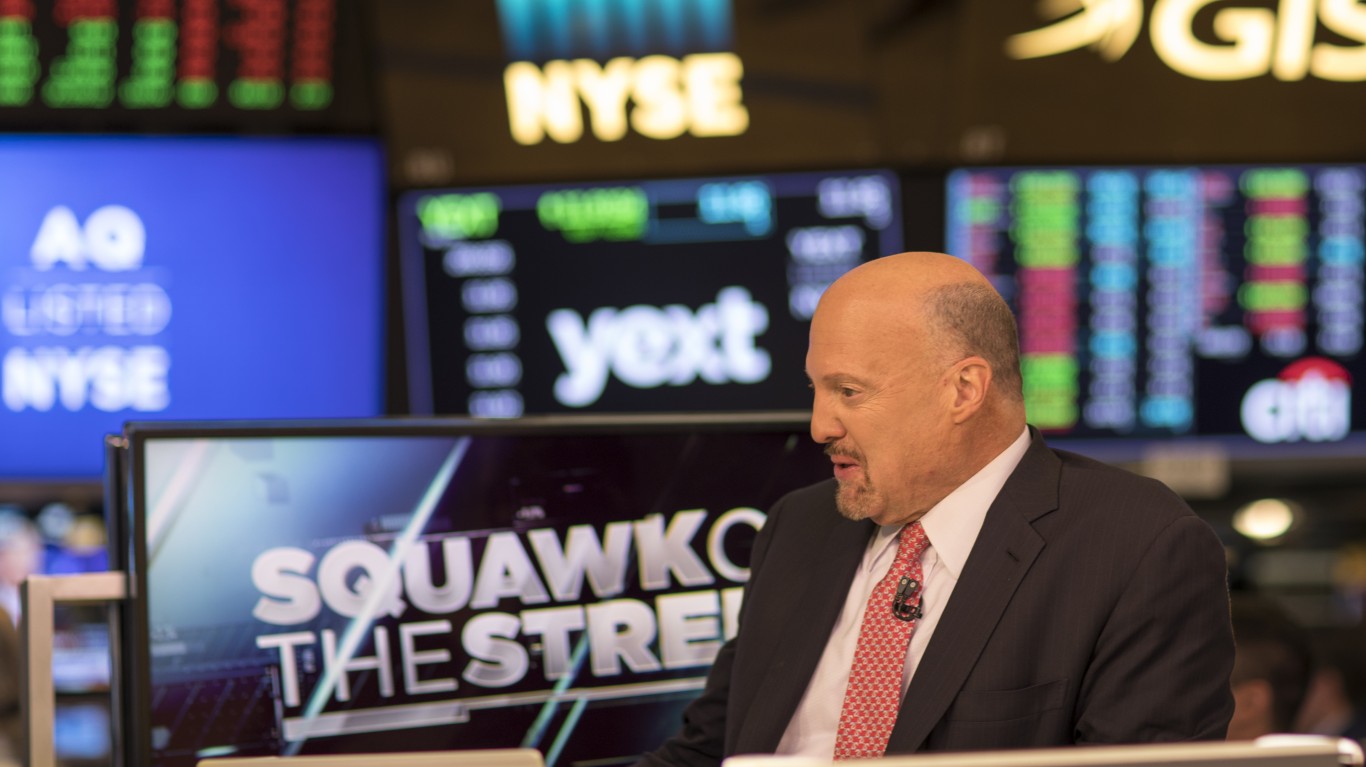
On September 3, 2026, Jim Cramer used his CNBC Stop Trading segment to salute Vlad Tenev and argue that young investors flowing money into Robinhood (NASDAQ:HOOD | HOOD Price Prediction) are a big reason this market refuses to break. Shares are trading near $124.71, up 33.38% in the past month.
Cramer is making a flows argument rather than a valuation argument. Flows arguments work beautifully until they reverse, because the same discretionary money that lifts a tape can pull just as quickly.
The question worth answering is whether the retail bid he describes is a structural floor for equities or the market’s most fragile part. Robinhood’s own numbers argue for both readings, which is what makes the call interesting.
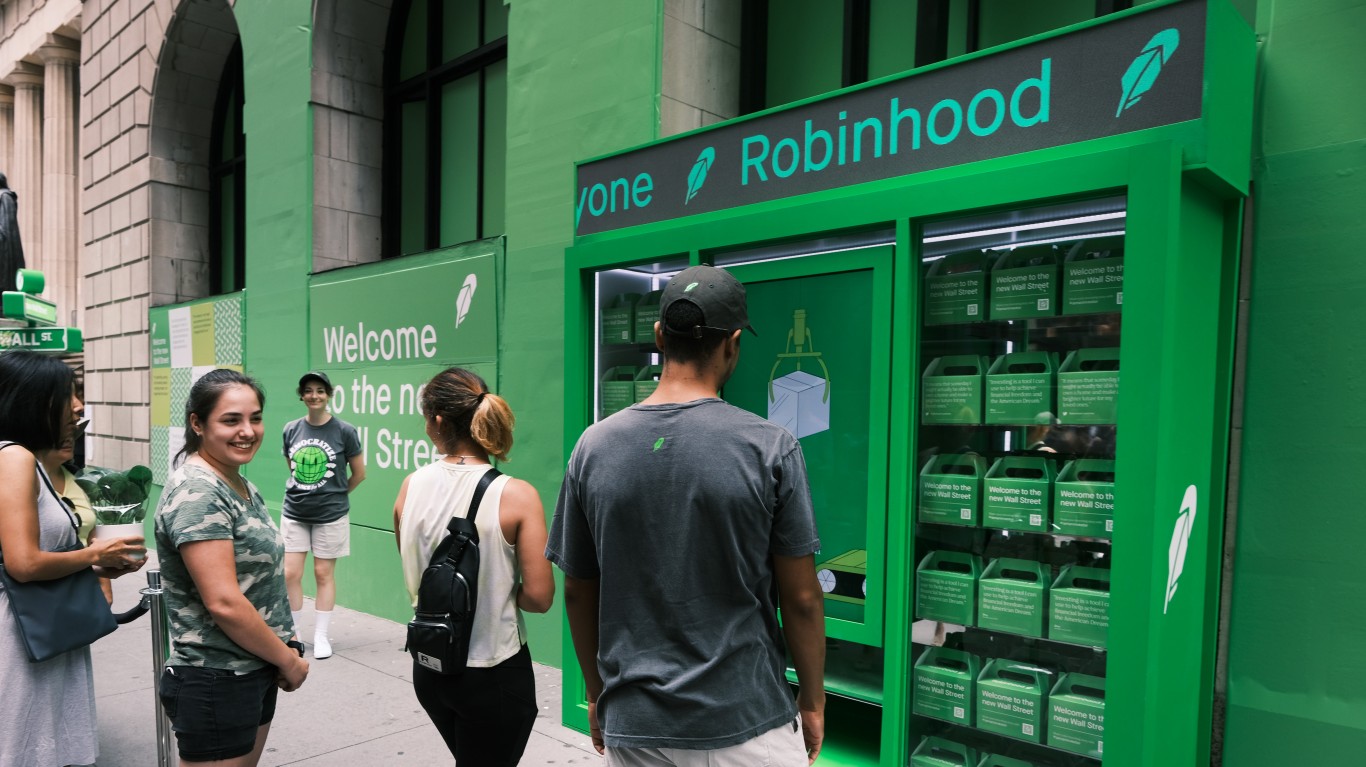
Robinhood has stopped being a crypto proxy and has become an asset gatherer, and that shift changes what a bull actually owns when buying the stock.
What Cramer Actually Said About Retail Flows
Cramer’s central claim was that “the money coming in that is by rote buying with indices or buying individual stocks or buying ETFs is extraordinary”.
He tied that flow directly to Robinhood’s cohort, arguing the platform’s users have shifted from pure day trading toward genuine investing.
His words on the cohort: “I wish those people spent a little more time watching some of the things we talk about. Be a little more educated, a little less. More day trading. But they’re wow, they’re investing.”
His conclusion tied it to market resilience: “It’s one of the big reasons why I think we continue to manage to be able to stay higher than a lot of people think we can.”
Cramer is treating Robinhood as a proxy for a behavioral shift across the whole market rather than a company-specific growth story.
Business Underneath the Salute

In Q2 2026, crypto revenue fell 38% YoY to $100 million, yet total revenue still grew 32% to $1.308 billion. That shift away from a pure crypto proxy is the core of the transition.
Total platform assets reached $369 billion, and net deposits hit a record $21.7 billion at a 28% annualized growth rate. That asset base is the number that matters.
CNBC noted that recent analyst upgrades focused on the sheer amount of assets users are sitting on rather than trading velocity. Transaction revenue is cyclical; revenue tied to a growing asset base is durable and deserves a higher multiple.
Gold subscribers hit 4.8 million, ARPU climbed to $187, and management disclosed 13 business lines, each with annualized revenue of $100 million+, in its Q2 8-K exhibit.
EPS of $0.62 beat the $0.4277 consensus, and management tightened FY26 opex guidance to $2.675 to $2.775 billion. The operating story is real.
Flows Argument on Its Own Terms

Automatic recurring buying really does behave differently from discretionary buying. It does not consult a P/E ratio, and it does not stop because a strategist turned cautious.
Robinhood added nearly 1 million funded customers in the quarter, and Tenev said customers “tend to be techno-optimists” who buy during drawdowns instead of selling.
If enough of the deposit flow is programmatic, through retirement contributions, direct-deposit sweeps, and recurring buys, then the bid does not evaporate when the tape turns.
But Robinhood’s revenue mix argues against the pure programmatic case. Options revenue was $342 million on a record 774 million contracts, and the margin book grew 127% YoY to $21.6 billion.
Leveraged, options-driven money reverses fastest in a drawdown because margin calls are not optional. A record margin book is an accelerant that works in both directions.
Falsifiable Test for Retail’s Floor

Cramer conceded the cohort is too crypto-oriented and too options-oriented. That concession deserves more weight than he gave it.
Q1 2026 already offered a preview: revenue of $1.067B missed consensus by 6.07%, and crypto revenue collapsed 47% YoY. Retail engagement is not linear.
Agreeing with Cramer about retail flows does not automatically mean owning HOOD. The stock is up 187.7% over five years, and Robinhood captures the flow only as long as it keeps winning the cohort against Schwab, Fidelity, and Coinbase.
Watch net deposits, Gold attach rates, and options volume through the next genuine risk-off tape. If deposits continue to grow while volumes fall, the floor thesis holds.
If deposits and volumes roll over together, Cramer’s floor is really an accelerant, and the Q3 report due this fall will be the first clean read.
Contact [email protected] for any questions or corrections.
Omor Ibne Ehsan is a writer at 24/7 Wall St. He is a self-taught investor with a focus on growth, cyclical, and dividend equities that have strong fundamentals, value, and long-term potential. He also has an interest in high-risk, high-reward investments such as penny stocks.