Intuitive Surgical Vs. Stryker: Wall Street Loves Both But One Has a Quiet Advantage That Will Make Investors Money
Both Intuitive Surgical and Stryker just posted their fifth straight earnings beat, and Wall Street is cheering for both. But a structural difference buried inside their business models quietly separates a compounder from a cyclical recovery story.

Intuitive Surgical (NASDAQ: ISRG | ISRG Price Prediction) and Stryker (NYSE: SYK) both delivered a fifth consecutive EPS beat in Q2 2026. Intuitive rode a fast growing installed base and 36% Ion procedure growth. Stryker fought back from a March cyber incident with 9% organic sales growth. Both raised or narrowed guidance, yet the models diverge in ways that shape long-term returns.
Recurring Revenue Carries Intuitive. Capital Backlog Carries Stryker.
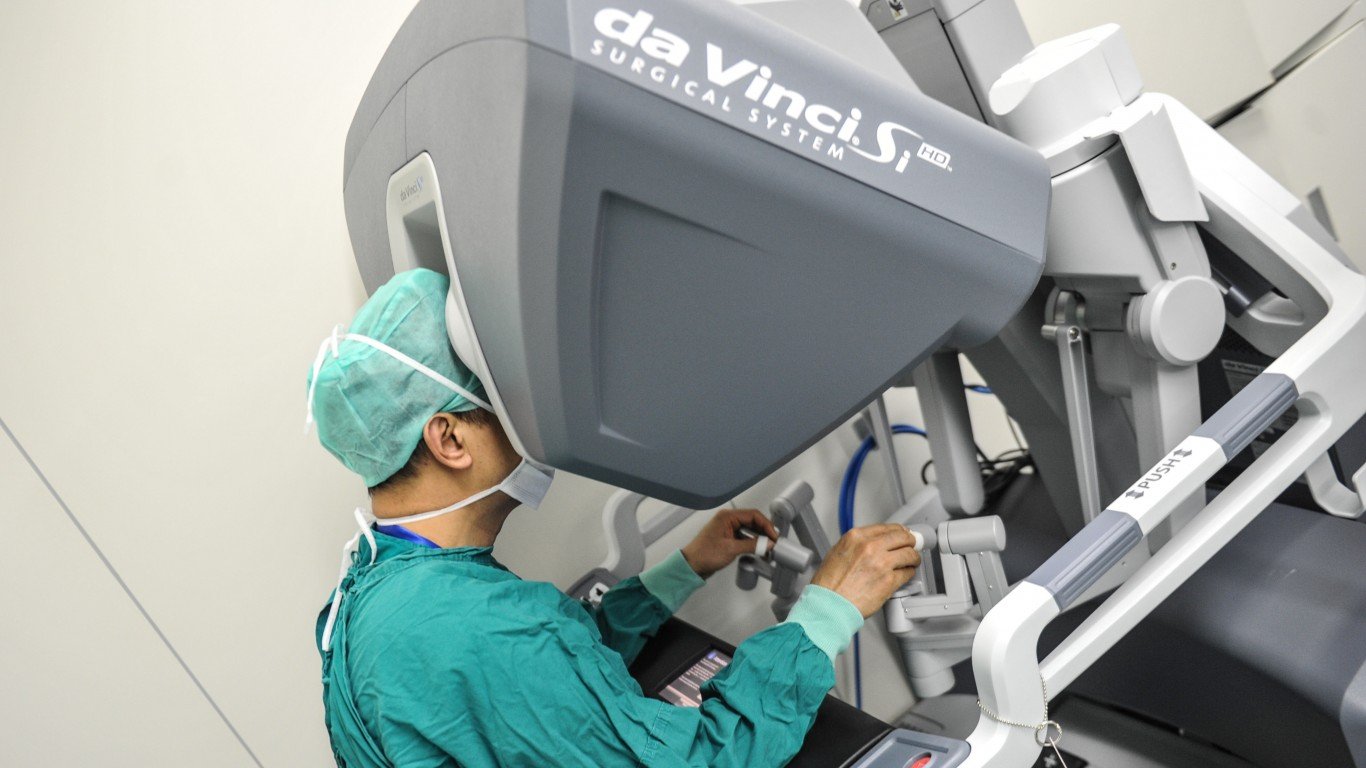
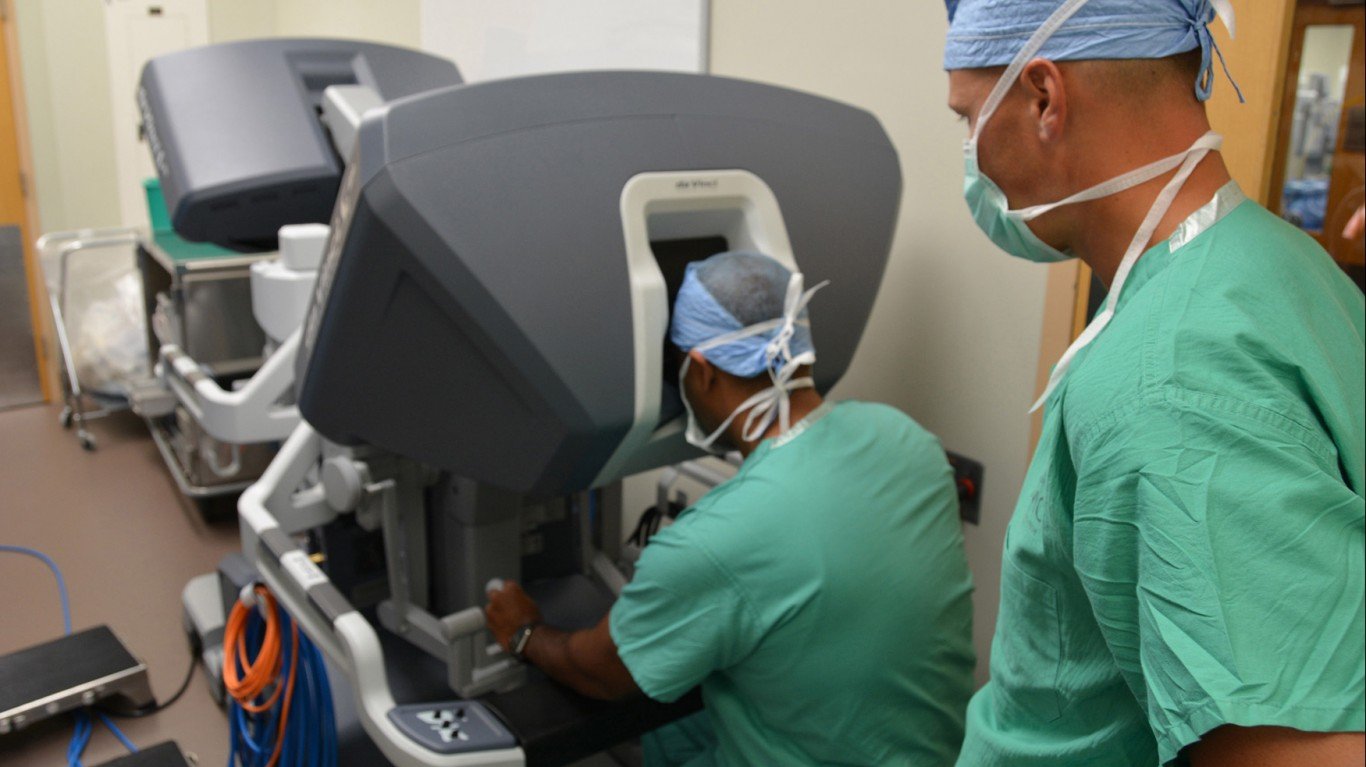
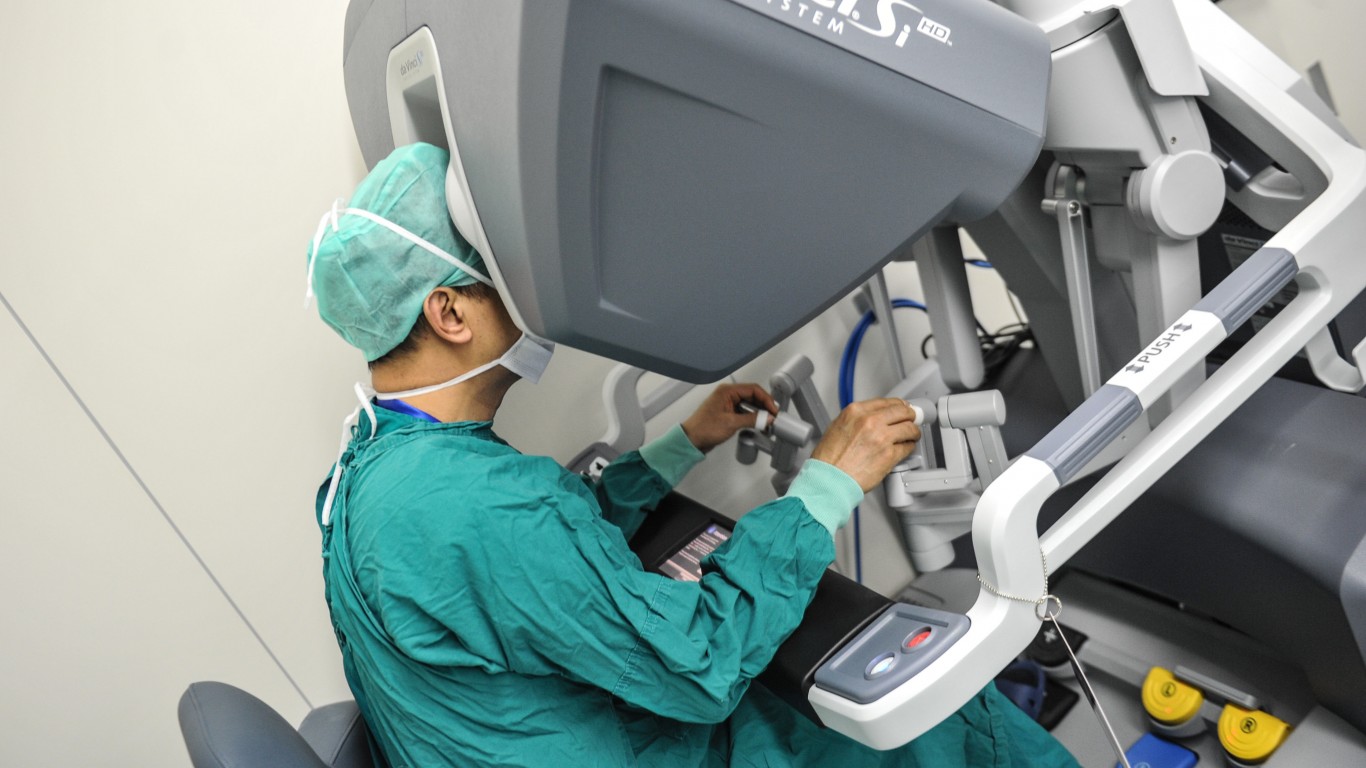
Intuitive placed 468 da Vinci systems, including 246 da Vinci 5 units. Instruments and Accessories generated $1.73B, up 18%, and it carries the highest margin in the mix. Non-GAAP gross margin expanded to 70.0%. CEO Dave Rosa said the quarter “reflects the strength of our portfolio”. Recurring revenue reached 85% of the total, a quiet compounding engine most investors underestimate.
Stryker delivered $6.59B in revenue, up 9.4%, with adjusted operating margin expanding 170 bps to 27.4%. MedSurg and Neurotechnology grew 9.7%, and Orthopaedics grew 9.1%. Vascular slipped 0.7% because of an Inari plant supply disruption. CEO Kevin Lobo said the team entered the second half “with regained momentum”.
| Business Driver | Intuitive Surgical | Stryker |
| Q2 Revenue Growth | 18.5% | 9.4% |
| Recurring Revenue Share | 85% | Mixed capital and consumables |
| Gross Margin | 70.0% | 66% |
AI Deepens One Moat. AI Widens Another’s Reach.
Both companies pour resources into artificial intelligence, but the intent differs. Intuitive uses AI to deepen the da Vinci moat. MyIntuitivePlus bundles telepresence, simulation, and AI-driven case insights on da Vinci 5’s platform. Rosa outlined “more than 100 planned updates”. An extended use instrument program arriving in the first half of 2027 should lower cost per procedure and pull more benign cases onto the system, reinforcing the recurring revenue flywheel.
Stryker uses AI to widen its hospital operating system. The new SmartCare unit merges Vocera and Care AI on a modern cloud stack, and management flagged “really big second half of sales growth”. Mako now spans hip, knee, spine, and shoulder across 47 countries, and the handheld Mako RPS is in full US launch. That reflects ecosystem breadth rather than moat depth.
Next Test Cuts Across Robotics and Recovery
I will watch the da Vinci 5 upgrade cycle. Management reminded investors that the SI to XI transition took roughly seven years to peak, so trades will trickle through 2027 and beyond. On Stryker’s side, keep an eye on the Inari backorder returning to a manageable level by the end of Q3, plus data from the 1,200-patient Peerless2 trial, which Lobo called “the seminal trial within peripheral vascular”.
Why I Lean Toward Intuitive’s Quiet Compounding
I lean toward Intuitive for durable compounding. An installed base of 11,710 da Vinci systems feeds instruments and services every single day, and the AI roadmap keeps sharpening switching costs. Wall Street sees the story too: 25 upward EPS revisions in 30 days for FY2026. Stryker still fits investors who want diversified medtech exposure with a cyber recovery kicker. If Mako RPS conversions accelerate and Inari stabilizes, my view could tilt back toward balance. For now, the quiet advantage sits with Intuitive.
Contact [email protected] for any questions or corrections.
Alex Sirois is a financial writer with experience spanning both retail and institutional investing. He has written for InvestorPlace and held roles at BNY Mellon and Bernstein, giving him a perspective that bridges Main Street portfolios and Wall Street analysis.
Alex holds an MBA from George Washington University and has built his career across multiple industries, including e-commerce, education, and translation — a breadth of experience that informs how he breaks down complex financial topics for everyday investors. His writing is conversational, actionable, and grounded in long-term, buy-and-hold investing principles.
At 247 Wall St., Alex focuses on delivering analysis that is both accessible and useful, with a clear emphasis on helping readers make more informed decisions with their money.