The Monopolistic Razor-and-Blade Engine I Can’t Stop Buying
A 26% price drop on a stock with a near-monopoly business model and 85% recurring revenue sounds like a warning, but one investor sees it as an invitation to keep buying.

This post may contain links from our sponsors and affiliates, and Flywheel Publishing may receive compensation for actions taken through them.
My Intuitive Surgical (NASDAQ:ISRG | ISRG Price Prediction) position has grown through rallies and selloffs, and a 26.81% year-to-date decline makes it easier for me to keep buying. With shares at $414.52, the business looks stronger to me than the stock price suggests.
A Razor That Hospitals Keep Feeding
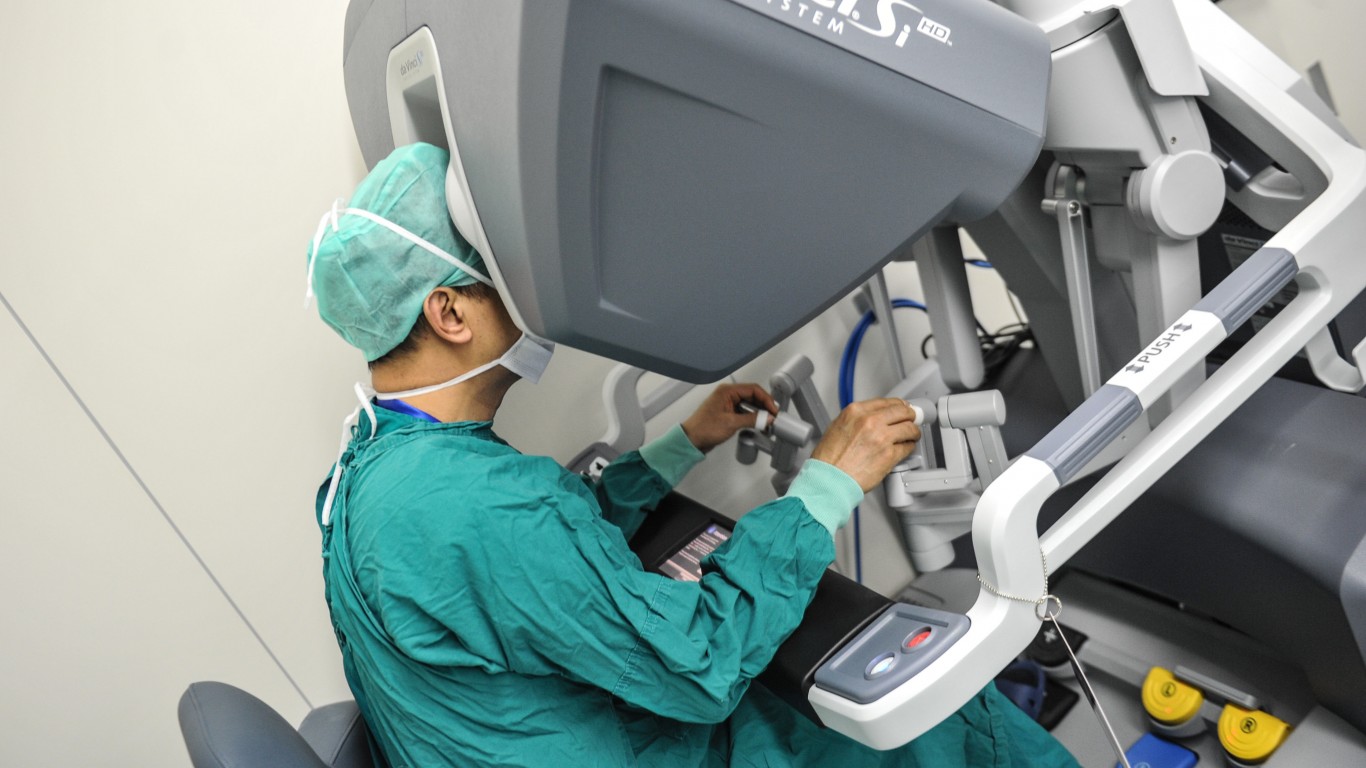
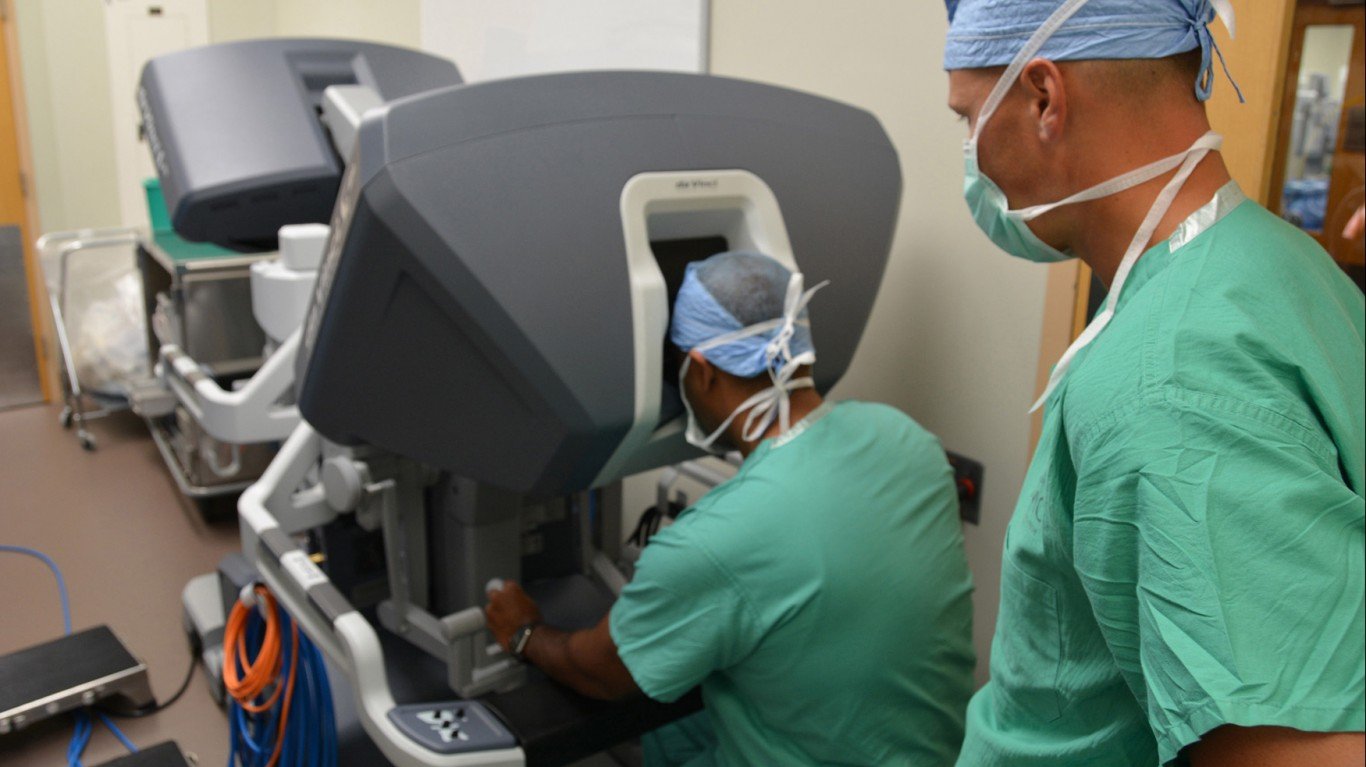
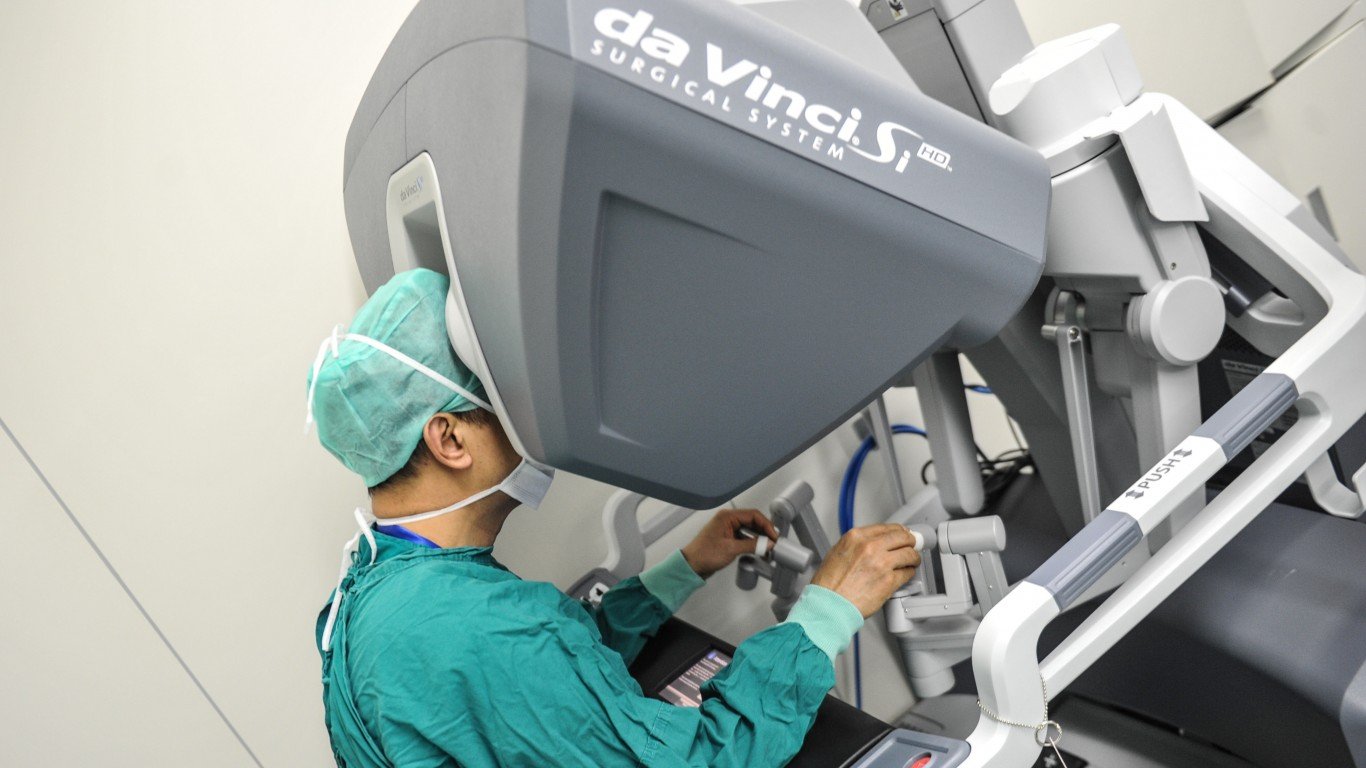
The model is simple. A hospital buys or leases a da Vinci robot once. After that, it buys instruments for every procedure for years. In Q2 2026, instruments and accessories brought in $1.7349 billion, up 18%. Systems revenue was $685.0 million. Recurring revenue made up 85% of the total. The da Vinci installed base grew to 11,710 systems, and each robot added becomes another long-term buyer of instruments.
Three Receipts Behind My Conviction
First, growth compounds. Procedures rose about 16% in Q2, and Ion lung-biopsy procedures rose 36%. In 2025, revenue passed $10.0647 billion, up 20.51%.
Second, margins keep expanding. Non-GAAP gross margin rose to 70.0% from 67.9%, and operating income climbed 30.74%. Non-GAAP EPS of $2.80 beat the $2.50 consensus. That made five consecutive quarterly beats.
Third, the balance sheet is a strong. Intuitive holds $8.6255 billion in cash against $2.5789 billion in total liabilities. First-half free cash flow reached $1.8 billion, up 71%. Intuitive pays no dividend. It returns cash through buybacks, including $1.1 billion in Q1. For my retirement account, that means the company reinvests in its own growth.
Why My Money Skips Medtronic and Stryker
Medtronic (NYSE:MDT) pays a $2.85 dividend per share and trades at a forward P/E of 15. But its operating margin is 19.3%, compared with Intuitive’s 33.6%. Stryker (NYSE:SYK) trades at a forward P/E of 16, but its quarterly revenue grew 9.4%. Intuitive grew 18.5%. I gladly pay Intuitive’s forward P/E of 33 for that gap in growth and margins.
Tariffs and Slower Procedure Growth Could Hurt
The real threat is a slowdown combined with tariffs. Management expects 2026 da Vinci procedure growth of 13.5% to 15.5%, down from 18% in 2025. Intuitive makes instruments in Mexico and endoscopes in Germany, and its guidance already includes a 1.0% tariff hit. Management warned that more tariffs could weigh heavily on results. Without a tariff refund, Q2 gross margin would have been 68.7%. China is also a harder market now, with domestic robot makers competing for business.
My thesis remains intact through all of it. Management said “the underlying disease burden is unchanged”, so procedures that patients put off still have to happen. U.S. use still rose 3%. Even a 68.7% gross margin is elite.
Why the Buy Button Stays On
The da Vinci 5 base is only just over 1,700 systems, so the upgrade cycle has years left to run. Analysts expect EPS to grow from $10.7795 in 2026 to $12.0912 in 2027. Over ten years, the stock has returned 419.56%. Every robot a hospital installs keeps buying instruments, and that steady demand keeps me buying the stock.
Contact [email protected] for any questions or corrections.
Alex Sirois is a financial writer with experience spanning both retail and institutional investing. He has written for InvestorPlace and held roles at BNY Mellon and Bernstein, giving him a perspective that bridges Main Street portfolios and Wall Street analysis.
Alex holds an MBA from George Washington University and has built his career across multiple industries, including e-commerce, education, and translation — a breadth of experience that informs how he breaks down complex financial topics for everyday investors. His writing is conversational, actionable, and grounded in long-term, buy-and-hold investing principles.
At 247 Wall St., Alex focuses on delivering analysis that is both accessible and useful, with a clear emphasis on helping readers make more informed decisions with their money.