1 Unstoppable Medical Juggernaut to Buy Hand Over Fist and Hold for the Next 50 Years
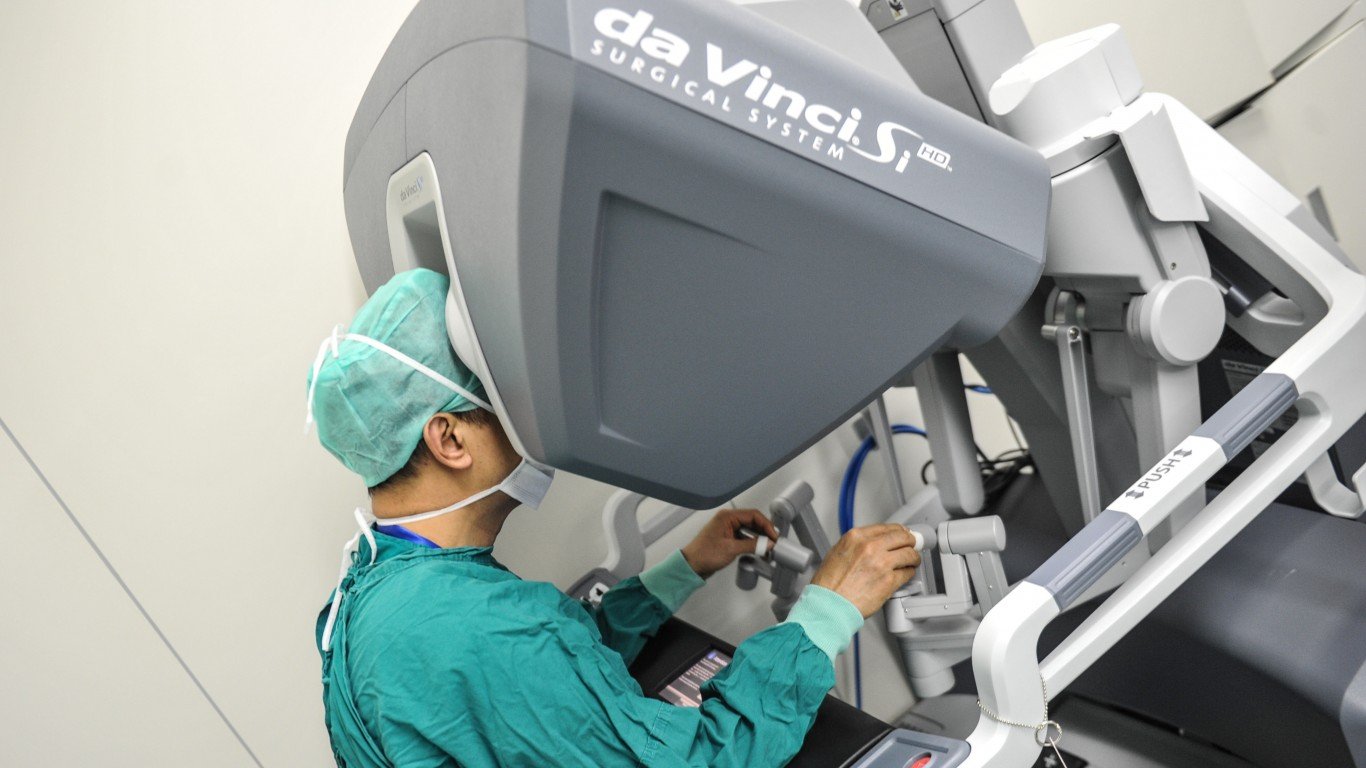
Intuitive Surgical (NASDAQ:ISRG | ISRG Price Prediction) is positioned for multi-decade compounding because it sits at the center of an aging-world healthcare megatrend with a razor-and-blade business model that compounds quietly whether the broader market is euphoric or fearful. The…

Intuitive Surgical (NASDAQ:ISRG | ISRG Price Prediction) is positioned for multi-decade compounding because it sits at the center of an aging-world healthcare megatrend with a razor-and-blade business model that compounds quietly whether the broader market is euphoric or fearful.
The case for permanence rests on three pillars, and none of them depend on a single quarter, a single product cycle, or a single economic regime.
Pillar 1: Durability That Strengthens With Every Install
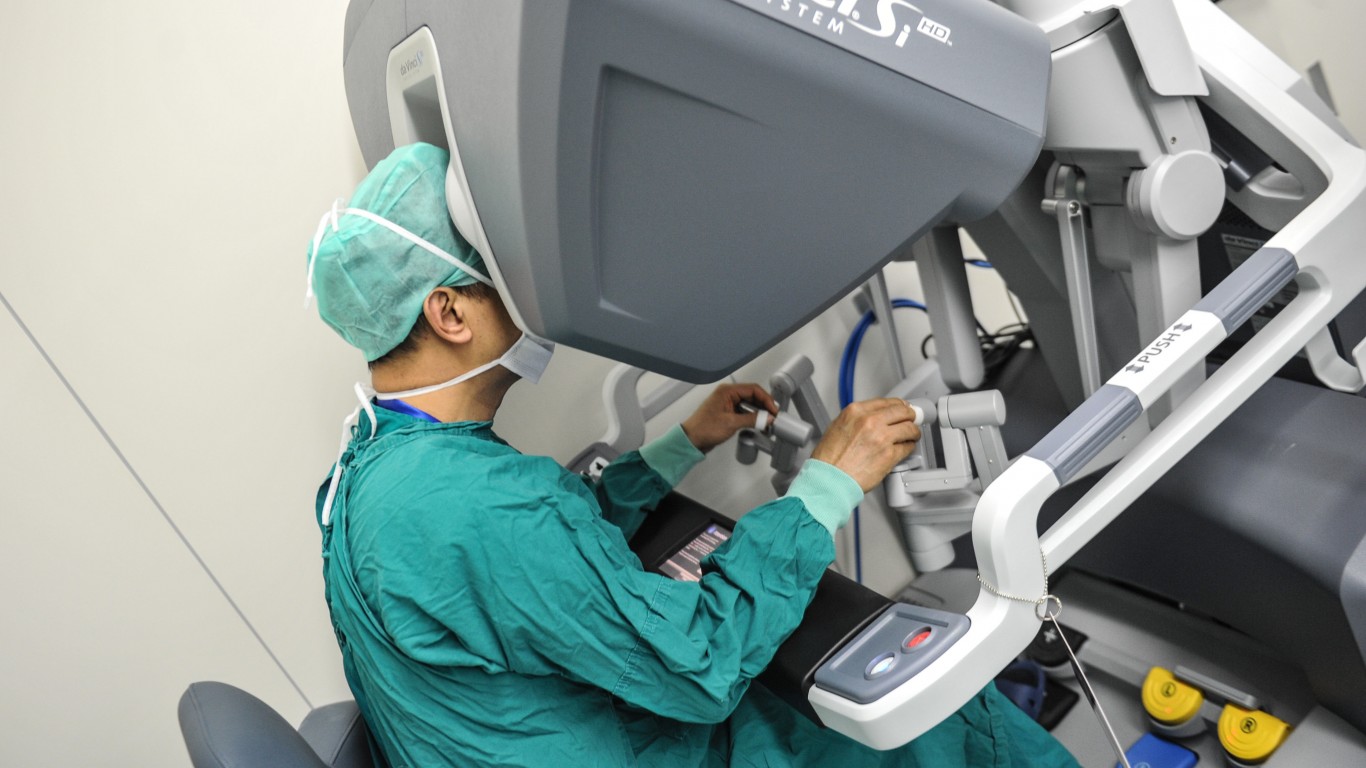
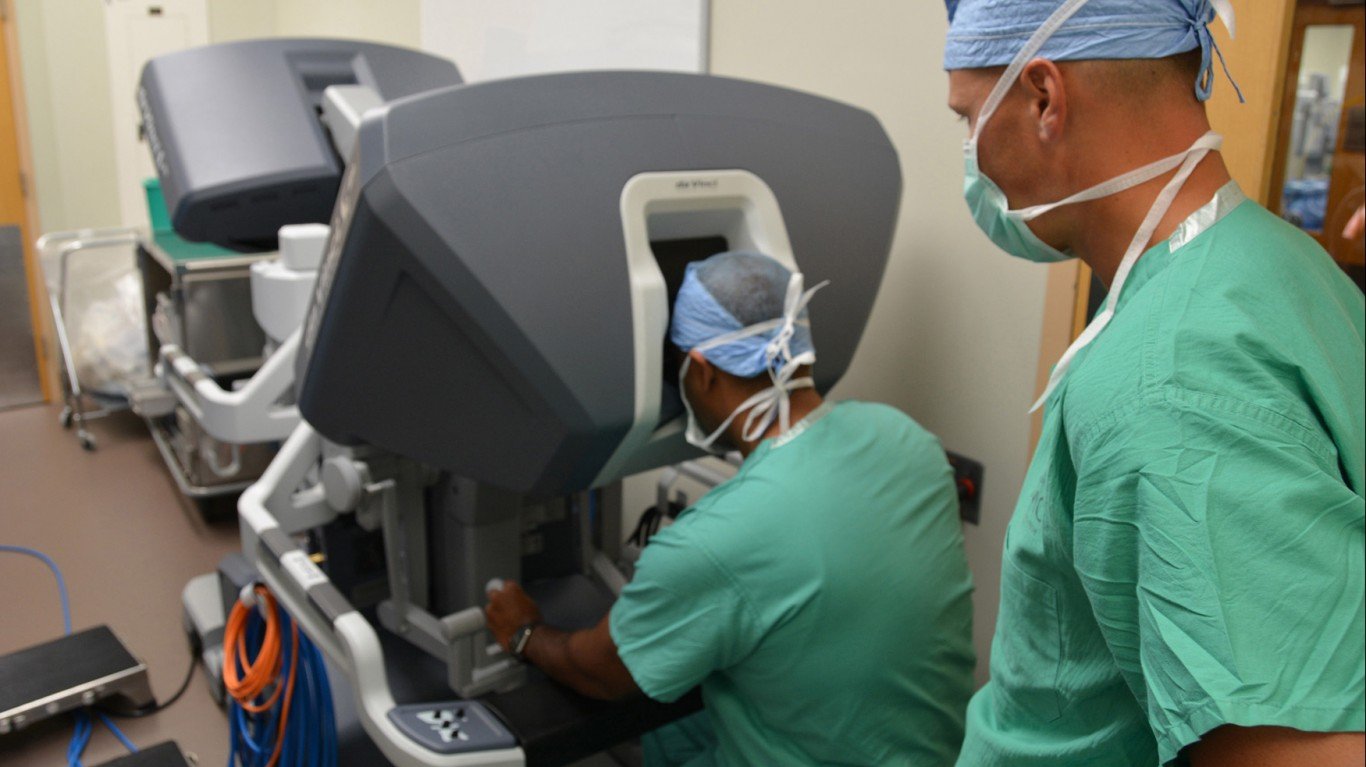
Wall Street still occasionally treats Intuitive like a cyclical capital goods manufacturer fixated on how many multi-million-dollar systems hospitals buy each quarter. The bigger picture is that the more systems Intuitive installs globally, the more its revenue mix structurally shifts toward proprietary instruments, accessories, and service contracts required for every procedure performed. The installed base now stands at 11,395 da Vinci systems and 1,041 Ion systems, with recurring revenue of $2.4 billion representing 86% of total revenue in Q1 2026. Intuitive captures roughly 80% of the robotic surgery market, and surgeon training, hospital capex sunk into existing systems, and consumable lock-in make that moat widen with time rather than erode.
Pillar 2: Compounding Through Buybacks and a Fortress Balance Sheet
There is no dividend here. Capital returns flow through buybacks and reinvestment, and the math is unambiguous. The company repurchased 2.3 million shares for $1.1 billion in Q1 2026 after buying back 4.0 million shares for $1.92 billion in Q3 2025. The balance sheet carries $7.98 billion in cash against just $2.51 billion in total liabilities. Earnings are compounding visibly: $2.50 in Q1 2026 versus $1.50 in Q1 2024, with 22 of the last 24 quarters beating consensus.
Healthcare is also pulling its weight as a sector. U.S. personal healthcare spending reached $3,700.1 billion in April 2026, up from $3,494.0 billion a year earlier. Demographics do the rest of the work.
Pillar 3: Why It Survives Cycles
Recessions hit capital goods makers because customers postpone big-ticket purchases. Intuitive is insulated because procedures continue even when system orders slow, and consumables ride those procedures. Worldwide da Vinci procedures grew 16% and Ion procedures grew 39% in Q1 2026, and Instruments & Accessories revenue of $1.69 billion grew 23%. That recurring stream is what carries the business through downturns.
Where It Underperforms, and Why It Doesn’t Matter
The realistic underperformance scenario is a hospital capex freeze combined with tariff escalation. Guidance already bakes in roughly a 1.0% tariff headwind tied to manufacturing in Mexico and Germany and materials from China. Shares reflect this concern, down 28.99% year to date and 21.47% over the past year. System placements can slow in a recession. Procedures, consumables, and the installed base keep compounding regardless, which is exactly why the forever thesis holds. The 10-year return of 464.03% was built through several of these scares.
Forward earnings sit at 40x, which is the price of admission for owning the dominant platform in a structurally growing field. The setup favors long-term ownership over short-term trading.
Contact [email protected] for any questions or corrections.
Alex Sirois is a financial writer with experience spanning both retail and institutional investing. He has written for InvestorPlace and held roles at BNY Mellon and Bernstein, giving him a perspective that bridges Main Street portfolios and Wall Street analysis.
Alex holds an MBA from George Washington University and has built his career across multiple industries, including e-commerce, education, and translation — a breadth of experience that informs how he breaks down complex financial topics for everyday investors. His writing is conversational, actionable, and grounded in long-term, buy-and-hold investing principles.
At 247 Wall St., Alex focuses on delivering analysis that is both accessible and useful, with a clear emphasis on helping readers make more informed decisions with their money.