“I Am the House Now”: 34 Years Ago, Bessent Helped Soros “Break the Bank of England.” Now He’s Daring Traders to Bet Against the Yen.
Scott Bessent made his name helping George Soros destroy a central bank that tried to hold an artificial currency peg. Now he is sitting in that same seat, daring traders to bet against him on the yen.

This post may contain links from our sponsors and affiliates, and Flywheel Publishing may receive compensation for actions taken through them.
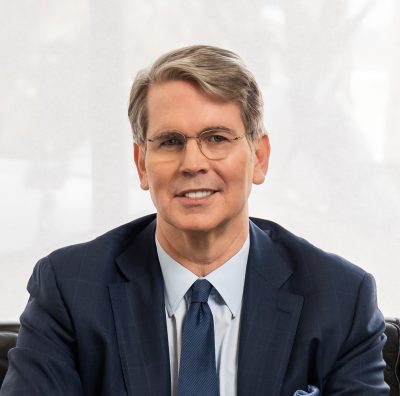
Treasury Secretary Scott Bessent walked up to a microphone this week and said something Treasury Secretaries do not usually say out loud. Bessent declared, “I am the house now, so when we intervene with the Japanese yen, I have pretty good insight into what the Japanese, what the Bank of Japan is going to do, what Japanese policymakers are going to do.” Then the dare: “And you can bet against me if you want.” Asked whether he was taking a risk, he answered: “Whenever people say, ‘Oh, well, Treasury Secretary is taking a risk,’ well, it’s my dream, I have asymmetric information.” The remarks, reported Wednesday by Bloomberg and picked up across the Financial Times, MarketWatch and Reuters, land with a particular resonance because of who is saying them.
Black Wednesday, and the Trade That Made Him
According to Fortune’s Eva Roytburg, in 1992 a 29-year-old Bessent looked at the Bank of England and saw what others did not. The Bank had pledged to keep the pound inside a narrow band against the German mark, and defending that peg meant raising interest rates. Roytburg’s account explains the trap: most UK mortgages at the time carried variable rates, so raising rates to defend the pound would devastate British homeowners. Bessent convinced his boss, George Soros, to bet against the pound.
Investopedia’s Andrew Beattie describes the mechanics of the day itself: the Bank raised its benchmark rate twice in a single session and the pound fell against the mark anyway. Britain withdrew from the European Exchange Rate Mechanism. Roytburg writes that when the currency crashed, Soros’s fund made $1 billion. The New York Times has since described Bessent as having helped break the Bank of England.
Lesson He Wrote, Now Aimed at Him
Roytburg captures what Bessent took away: “when a central bank is artificially holding its currency at a level the market wouldn’t otherwise support, eventually the market will win.” Thirty-four years later, he sits in the seat the Bank of England sat in. The poacher is the gamekeeper. He has invoked the same logic in the opposite direction, arguing per Roytburg that Beijing keeps the yuan artificially low, which makes his yen posture all the more striking.
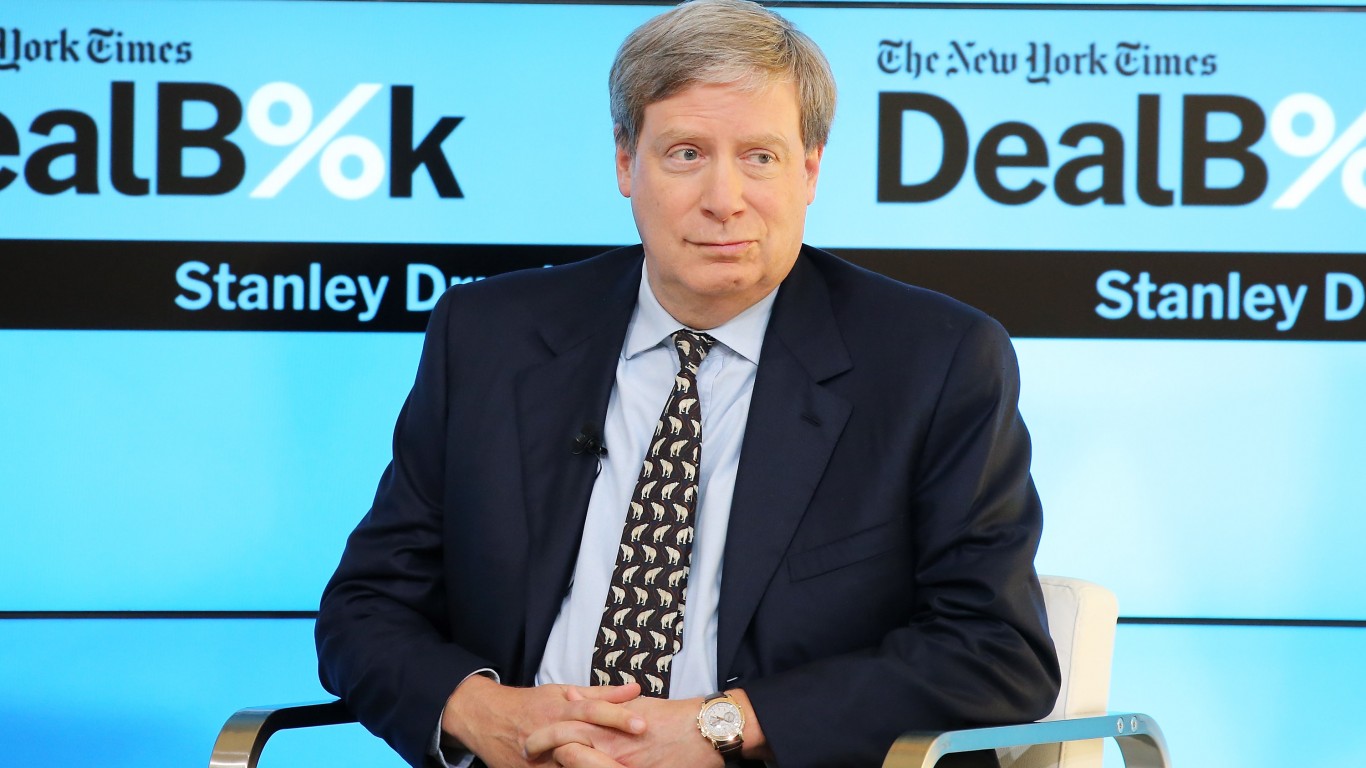
The strongest challenge comes from inside the family. Stanley Druckenmiller, who ran money alongside Bessent in the Soros era, has publicly suggested his former protege is erring by stepping into the bond market. Bessent’s own defense is that his expanded buybacks of older U.S. government debt were meant to cool a “fever” in Treasuries.
Coordinating With Tokyo on the Yen
Unlike 1992, Bessent is coordinating with a central bank, according to Fortune. He is working with Japanese authorities on yen purchases and has, per Briefs Finance, repeatedly signaled he would rather see Tokyo raise rates than rely on repeated intervention. His dare is aimed squarely at currency traders shorting a stronger yen.
The live test is already running. USD/JPY closed at 153.96 on September 8, 2026, down from 160.17 on September 1 and a July zone above 163. Reuters reports the Bank of Japan is expected to lift its benchmark at its upcoming meeting, with Japan’s GDP revised higher to back the case. If Tokyo delivers, Bessent’s dare holds. If it blinks, the man who wrote the rulebook on breaking a cornered central bank will find out whether his own rule still applies to him.
Contact [email protected] for any questions or corrections.
AJ spent 10 years writing about financial markets at The Motley Fool. His coverage centers on technology stocks and the broader macroeconomic trends, from interest rates to geopolitics, that shape where markets are headed next. AJ is drawn to the stories where big-picture economics and individual companies collide.