Kraft Heinz Moves to the NYSE. What Happened to the Breakup?
Kraft Heinz announced a blockbuster split into two companies, then a new CEO walked in and stopped everything. Now the question is whether a massive reinvestment bet can rescue brands that have been losing ground for years.

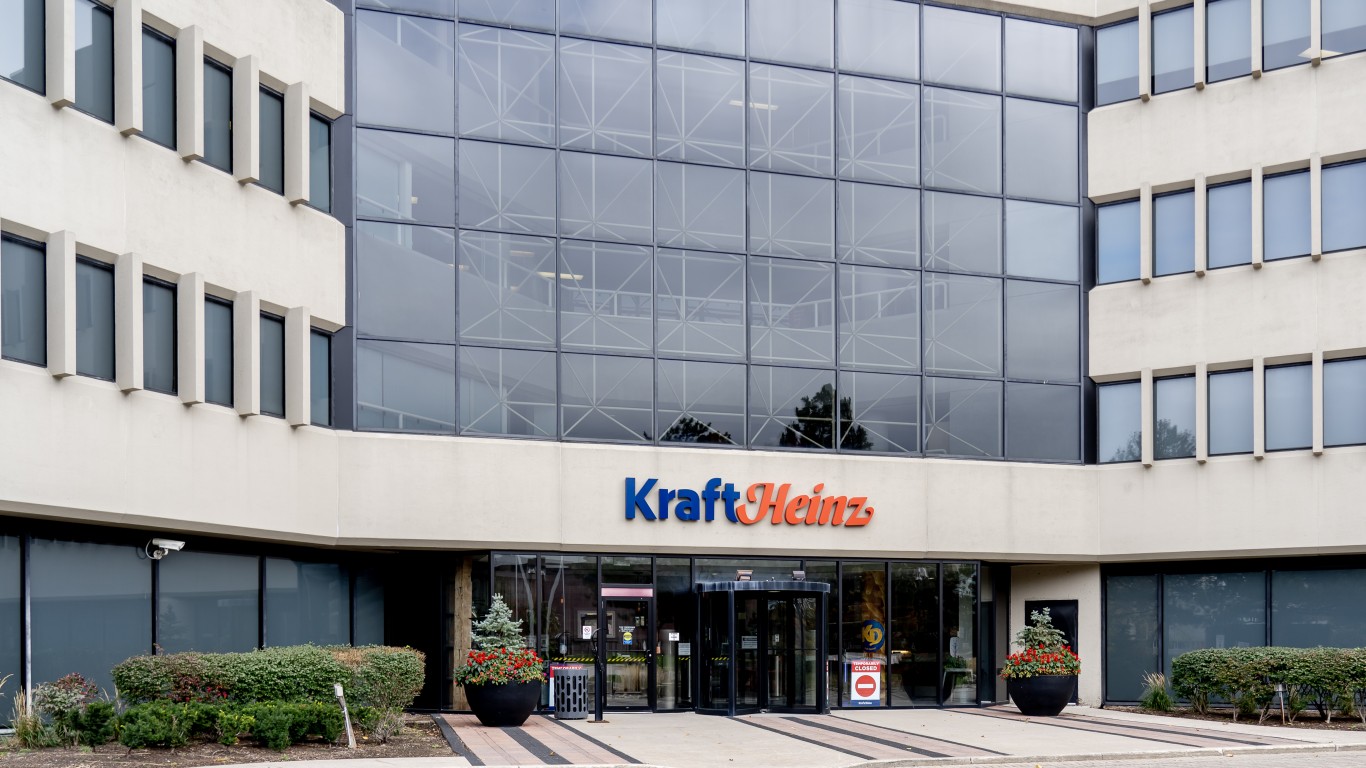
Kraft Heinz (NASDAQ: KHC | KHC Price Prediction) is moving its stock listing to the New York Stock Exchange. The company’s ticker remains KHC, no shares convert, and the economic effect on holders is essentially nil. The interesting story sits behind the venue change: a breakup that was announced, then shelved, and the strategic reset that took its place.
Breakup on Ice: Separation Paused
In September 2025, then-CEO Carlos Abrams-Rivera announced that the board had approved splitting the company into two independent public companies, Global Taste Elevation and North American Grocery, targeted to close in the second half of 2026. That plan effectively unwound the 2015 merger that created Kraft Heinz. On February 11, 2026, new CEO Steve Cahillane hit pause:
Since joining the company, I have seen that the opportunity is larger than expected and that many of our challenges are fixable and within our control … we believe it is prudent to pause work related to the separation.
The Kraft Heinz company profile still describes the separation as currently paused rather than cancelled. The Q2 2026 filing continues to list the uncertain timeline as a risk.
Cash Poured Into Brands to Fund the Turnaround
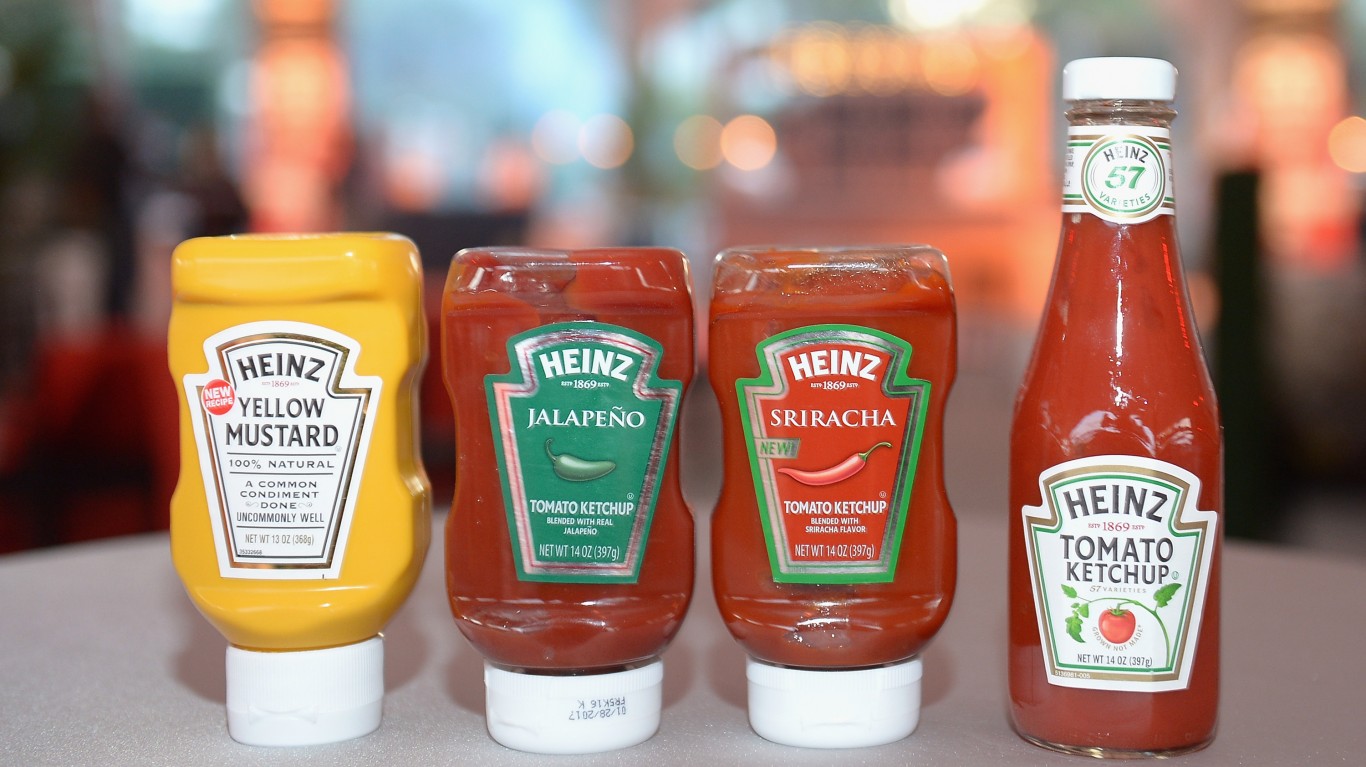
Cahillane’s answer was reinvestment. The company committed $600 million of incremental investment at Q4 2025, then raised that by another $100 million to roughly $700 million for 2026 after first-half results. CFO Andre Maciel said first-half share loss narrowed to 30 basis points from roughly 90 basis points earlier in 2025, with recent weeks near 20 basis points. Cahillane refused a lap: “Nobody’s doing a victory lap that we’re declining less than … we anticipated but it is moving in the right direction.” Heinz worldwide is up 3% year to date, U.S. condiments have swung from flat to 3% growth, and Cahillane said, “Global away from home is back to growth as well.”

Oscar Mayer as the Swing Factor
Cahillane pinned the majority of first-half share losses on Oscar Mayer, and inside Oscar Mayer on one product: Deli Fresh, where a packaging issue drove the problem. The brand introduced new packaging that began shipping in early August. Distribution lost during that window will need to be rebuilt. Kraft Heinz reportedly explored a sale of Oscar Mayer back in 2024 and is now investing to repair the brand. Management has kept the entire portfolio intact.
Balance Sheet and the Overhang
Maciel said, “We have paid down $1.9 billion of debt in the quarter” and “After the quarter closed, we also paid another $1 billion in 2027,” alongside a refinancing of an expensive maturity. Free cash flow conversion is guided to approximately 110% for 2026. A disclosed Berkshire Hathaway (NYSE: BRK.B) position remains a genuine overhang given its size.
Scorecard Into November
Shares are up 1.4% year to date at $24.60, yet down 71.4% over ten years. That gap illustrates how much ground the turnaround must recover. An investor day in November is the next real catalyst. Use Cahillane’s own scorecard: market share, productivity, and emerging markets, where Q2 revenue grew 10.4%.


Contact [email protected] for any questions or corrections.
Trey has been an editor and author at 24/7 Wall St. for more than a decade, where he has published thousands of articles analyzing corporate earnings, dividend stocks, short interest, insider buying, private equity, and market trends. His comprehensive coverage spans the full spectrum of financial markets, from blue-chip stalwarts to emerging growth companies.
Beyond 24/7 Wall St., Trey has created and edited financial content for Benzinga and AOL's BloggingStocks, contributing additional hundreds of articles to the investment community.
Trey's editorial expertise extends across multiple publishing environments. He served as production editor at Dearborn Financial Publishing and development editor at Kaplan, where he helped shape financial education materials. Earlier in his career, he worked as a writer-producer at SVE. His freelance editing portfolio includes work for prestigious clients such as Sage Publications, Rand McNally, the Institute for Supply Management, the American Library Association, Eggplant Literary Productions, and Spiegel.
Outside of financial journalism, Trey writes fiction and has been an active member of the writing community for years, moderating workshop sessions at regional conventions.