Apple Investors Can Breathe A Sigh Of Relief After OpenAI Gives Update On Long-Rumored Device
OpenAI's lawyers just told a federal judge something that contradicts what CEO Sam Altman has been saying publicly about the company's first consumer device, and Apple shareholders have a reason to pay close attention to what that contradiction means for…

This post may contain links from our sponsors and affiliates, and Flywheel Publishing may receive compensation for actions taken through them.

Apple (NASDAQ:AAPL | AAPL Price Prediction) shareholders got an unexpected assist from a federal courtroom Monday. In open court, OpenAI’s lawyers told a judge that the company’s first consumer device is “not coming anytime soon,” a striking retreat from what CEO Sam Altman has been telling the public. Altman had previously said OpenAI already had prototypes in hand and was considering previewing a device this year.
For Apple investors who have spent months worrying that the Altman and Jony Ive collaboration at io Products could threaten the iPhone franchise, the courtroom climbdown reframes the threat as something further out on the horizon.
Why the Timeline Matters Legally
The reversal has real stakes. Apple pressed the judge for immediate access to OpenAI’s product schematics, devices, accounts, and records to determine whether its trade secrets ended up inside that hardware. A slower device timeline cuts directly against Apple’s urgency argument.
The judge refused Apple’s demand, told both sides to narrow their requests, and ordered them to return with a joint discovery plan. The next court date is October 14. OpenAI accused Apple of a “shoot first, think later approach” and argued discovery must run both ways.
Apple’s Moat Looks Intact
While OpenAI’s hardware ambitions drift further into the future, Apple keeps compounding on the device it already owns. June-quarter iPhone revenue hit $54.3 billion, up 22% year over year, and the iPhone active install base reached an all-time high. Fiscal Q1 2026 disclosed an installed base of more than 2.5 billion active devices.
Services, the high-margin annuity that any would-be iPhone killer would also need to displace, keeps setting records. Services revenue reached $30.7 billion, up 12% year over year, with paid subscriptions surpassing 1.5 billion.
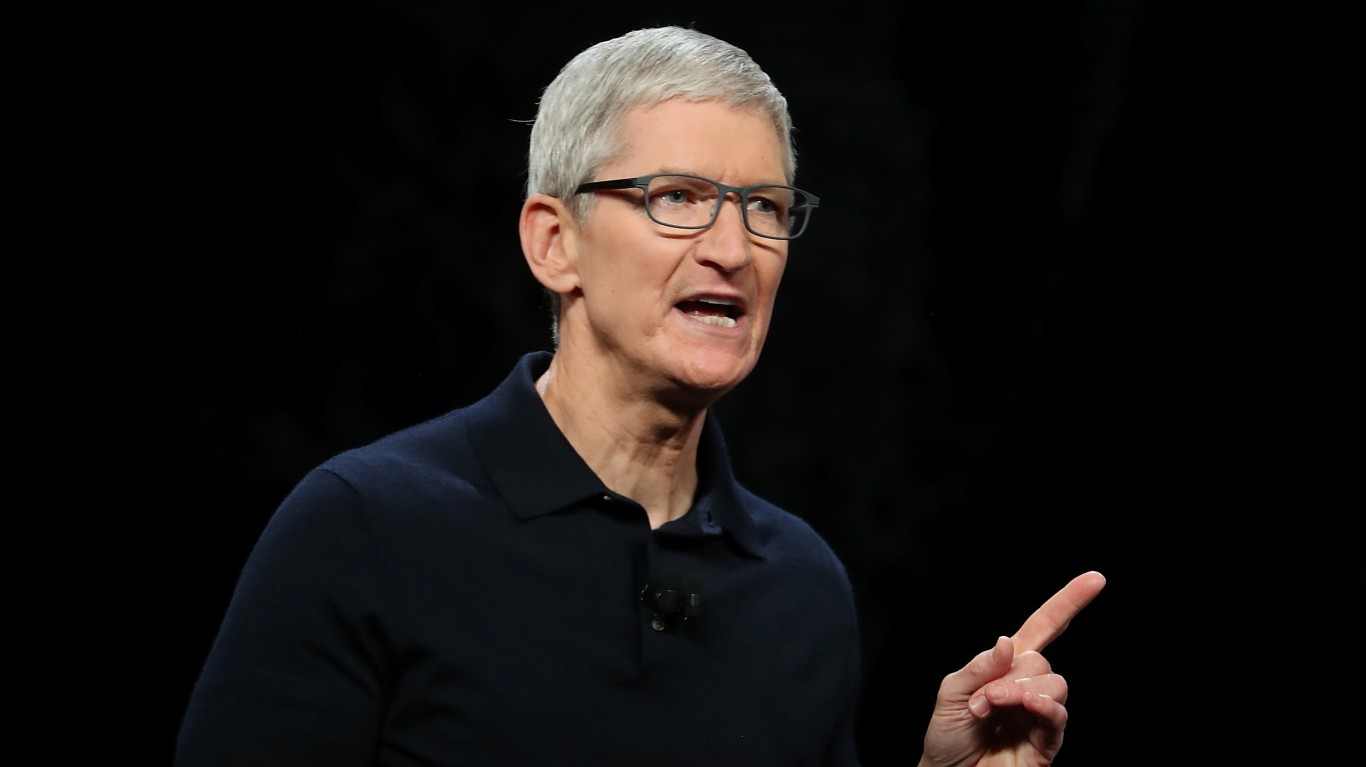
Apple’s own AI story is advancing. Hours before the hearing coverage aired, Apple released its new Siri, calling it a profoundly more capable and personal assistant. On the July 30 earnings call, CEO Tim Cook told analysts, “We really couldn’t be more excited about it, and we are feeling incredibly enthusiastic about the impact it’s going to have.”
Market Backdrop Investors Can’t Ignore

Apple shares traded at $333.11 on Sept. 14, 2026, up 42.84% over the past year and 8.88% in the past month. The stock was at $330.50 on Sept. 15, with year-to-date gains of 21.9%. Apple now carries a market cap around $4.82 trillion and trades at roughly 43 times earnings.

Keep an eye on the stock into the October 14 court date. The near-term competitive threat from an Altman-Ive device has moved from “this year” to “not anytime soon,” and Apple’s iPhone-plus-Services flywheel has one less catalyst working against it.
Contact [email protected] for any questions or corrections.
AJ spent 10 years writing about financial markets at The Motley Fool. His coverage centers on technology stocks and the broader macroeconomic trends, from interest rates to geopolitics, that shape where markets are headed next. AJ is drawn to the stories where big-picture economics and individual companies collide.