Jeffrey Gundlach Says the Fed Should Have Hiked Twice as Much, and AI Debt Is Already Cracking
Jeffrey Gundlach thinks the Fed's own forecast exposes a contradiction at the heart of its rate decision, and he sees the same kind of stress already showing up in the bond market for AI companies before most equity investors have…

This post may contain links from our sponsors and affiliates, and Flywheel Publishing may receive compensation for actions taken through them.
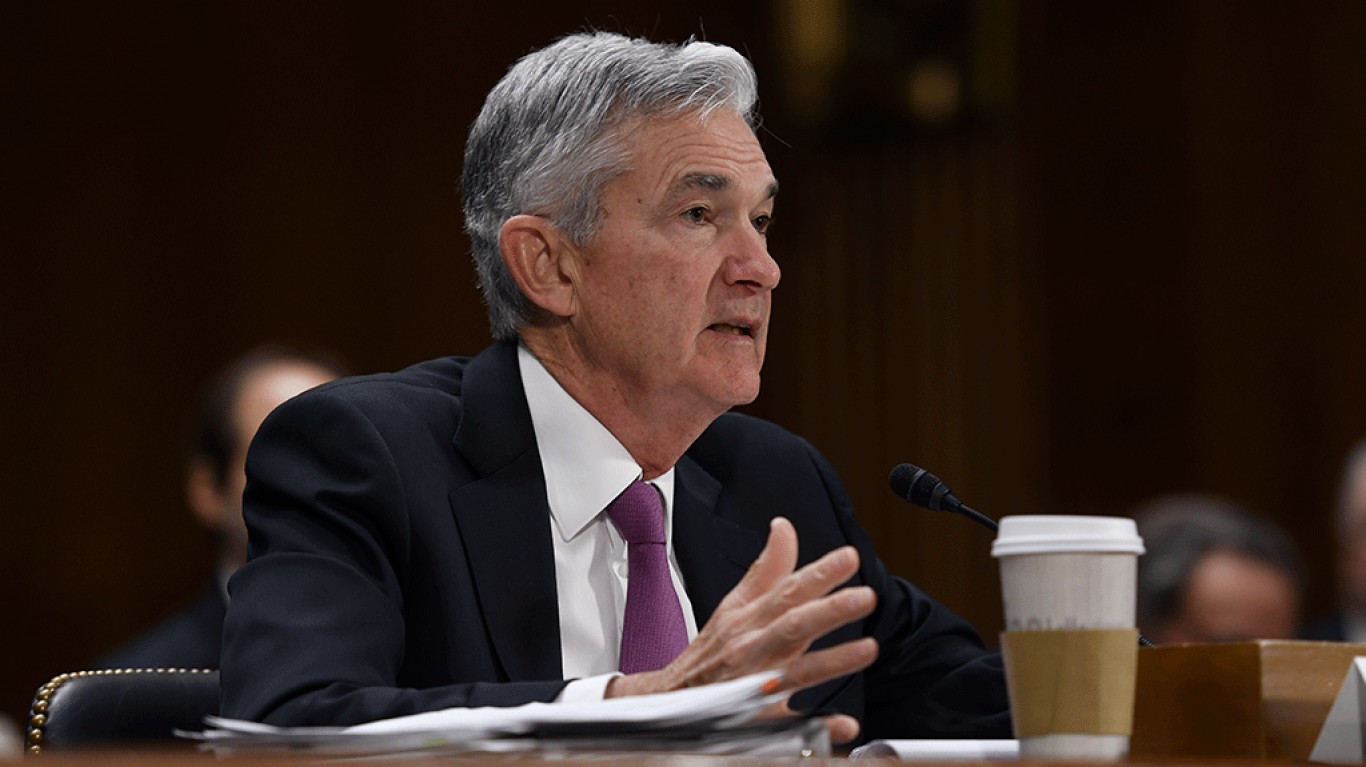
The Federal Reserve recently hiked its policy rate by 25bps and told the market inflation will not reach its target for another three years. Jeffrey Gundlach, speaking on CNBC hours after the decision, argued the two statements cannot both be taken seriously. His complaint centered on the central bank’s own dot plot conceding the fight is unfinished while its action implies a patience the bond market does not share.
The equal-weight Invesco S&P 500 Equal Weight ETF (NYSEARCA:RSP) is a useful reference point for what he said next, because his critique reaches beyond monetary policy into credit stress inside the AI complex and a concentration problem that a cap-weighted index cannot escape, according to DoubleLine Capital. RSP is up 11.69% year to date through September 16, 2026, but has slipped 3.87% over the past month as long yields drifted higher and mega-cap AI names wobbled. That is the setup Gundlach is trading around.
Why He Wanted a Bigger Hike
“I think they should have raised 50 today if they really respected what was going on, according to DoubleLine Capital. I mean, they’re acknowledging that inflation is a problem, but they’re not going to fix the problem yet,” Gundlach said.
His anchor is the Fed’s own forecast that its 2% inflation goal will not be met until 2029, a projection he treats as an admission that policy is behind the curve. Core PCE reached 130.658 in July, a fresh period high on the index.
The tell, in his framing, is the front end. Gundlach noted the 2-year Treasury yield was 100 basis points above the fed funds rate and is rising again. The current 2-year sits at 4.74% against a policy upper bound of 4%, which is the market pricing where it thinks rates should be, not where they are.
Energy Constraint Nobody Priced
Gundlach then turned to supply, arguing that world petroleum reserves sit at their lowest level in decades. WTI crude closed at $107.02 per barrel on September 15, up 27.4% in a month.
That price transmits into fertilizer, freight, and food, which is why national retail gasoline has climbed to $4.32 per gallon. The edge case Gundlach cited, California diesel at $9.99 per gallon, sits at the top of most pump displays.
The consequence is that goods disinflation from 2024 has an energy-shaped headwind. The Fed hiking just 25bps into that backdrop is what he was objecting to.
AI Credit Warning
The most actionable observation was on corporate credit. “In my view, the whole AI thing is showing red flags because AI is issuing so much, but just weeks or even days after a bond gets issued, the spread starts to blow out,” Gundlach said.
Freshly issued paper widening on the break is the market saying the initial buyers were reaching, and that secondary demand thins out quickly once the underwriters are gone. Credit typically registers this kind of indigestion before equity does, because bondholders are paid to worry about capital return rather than growth optionality.
Set that against Gundlach’s point that technology represents roughly 40% of the index, and the concentration problem writes itself. The suppliers powering the AI buildout, from grid operators to cooling and networking, sit outside that top-heavy cluster (we profiled seven of them in a free report you can grab here). His preferred stance is equal weight over cap weight, shorter-duration credit in the belly of the curve, and utilities.
Bull and Bear Case for RSP ETF
The bull case is straightforward. RSP charges a 0.20% expense ratio and structurally underweights the six mega caps carrying the AI capex cycle, so any credit-driven repricing of hyperscaler debt should hurt cap-weighted funds far more. Its 14.68% one-year return with less top-heavy risk is the trade Gundlach is describing, and the fund’s prospectus supplement spells out the equal-weight methodology.
The bear case is that a bond manager warning about equity concentration has been early before, and equal weight has trailed cap weight for most of the AI rally. If earnings from the top names keep compounding faster than the average constituent, RSP underperforms even in a mildly rising market.
The variable that decides it is credit spreads on newly issued AI paper. If they keep gapping after issuance, Gundlach is right on the timing. If they tighten back in and the 2-year drifts toward the policy rate, he is merely early.
Contact [email protected] for any questions or corrections.
Omor Ibne Ehsan is a writer at 24/7 Wall St. He is a self-taught investor with a focus on growth, cyclical, and dividend equities that have strong fundamentals, value, and long-term potential. He also has an interest in high-risk, high-reward investments such as penny stocks.