Caterpillar’s Robot Trucks Are Heading to Two More Quarries. Should You Buy the Dip Under $800?
Caterpillar just sent its self-driving trucks to two more quarries, but the autonomous milestone tells almost nothing about what is actually moving the stock. Understanding the real driver changes how you read the dip.

This post may contain links from our sponsors and affiliates, and Flywheel Publishing may receive compensation for actions taken through them.
Caterpillar (NYSE:CAT | CAT Price Prediction) trades at $798.51 versus a consensus analyst target of $975.61, implying about 22% upside. The stock is up 78.79% over the past year and 40.25% year to date, framing the current pullback from $840 as a dip inside a strong advance.

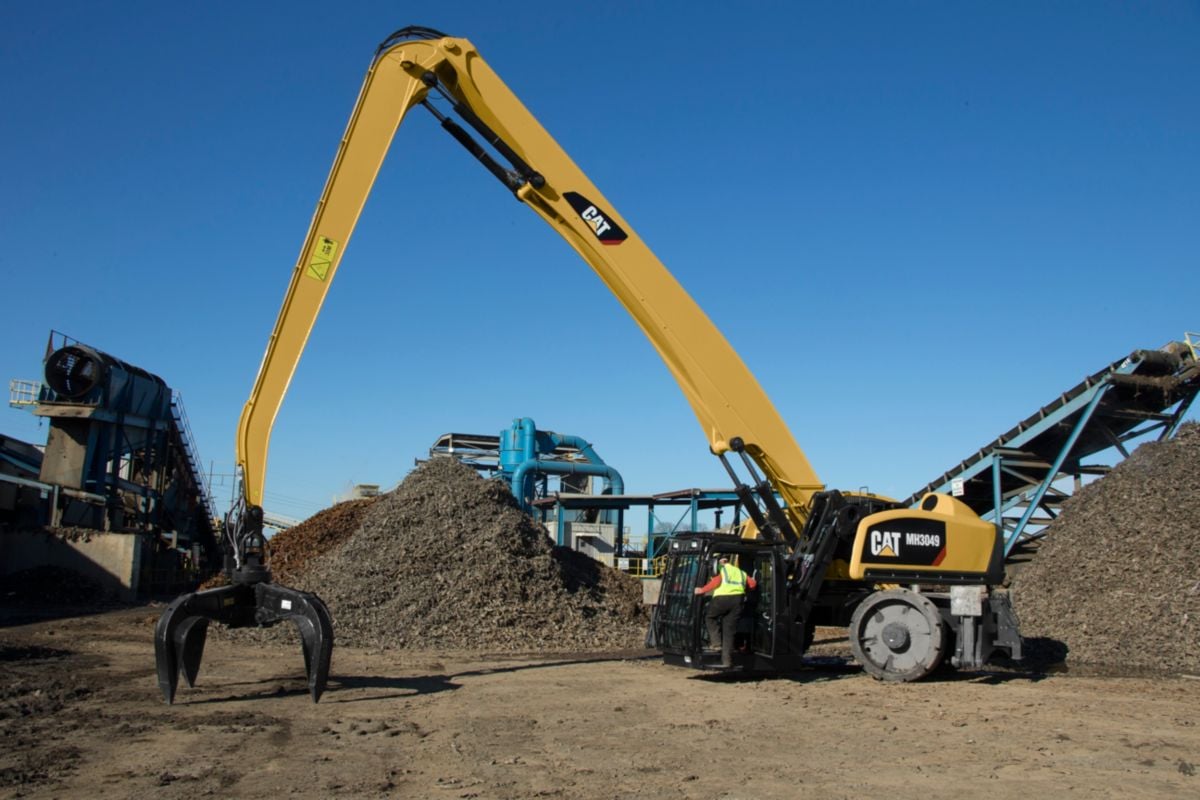
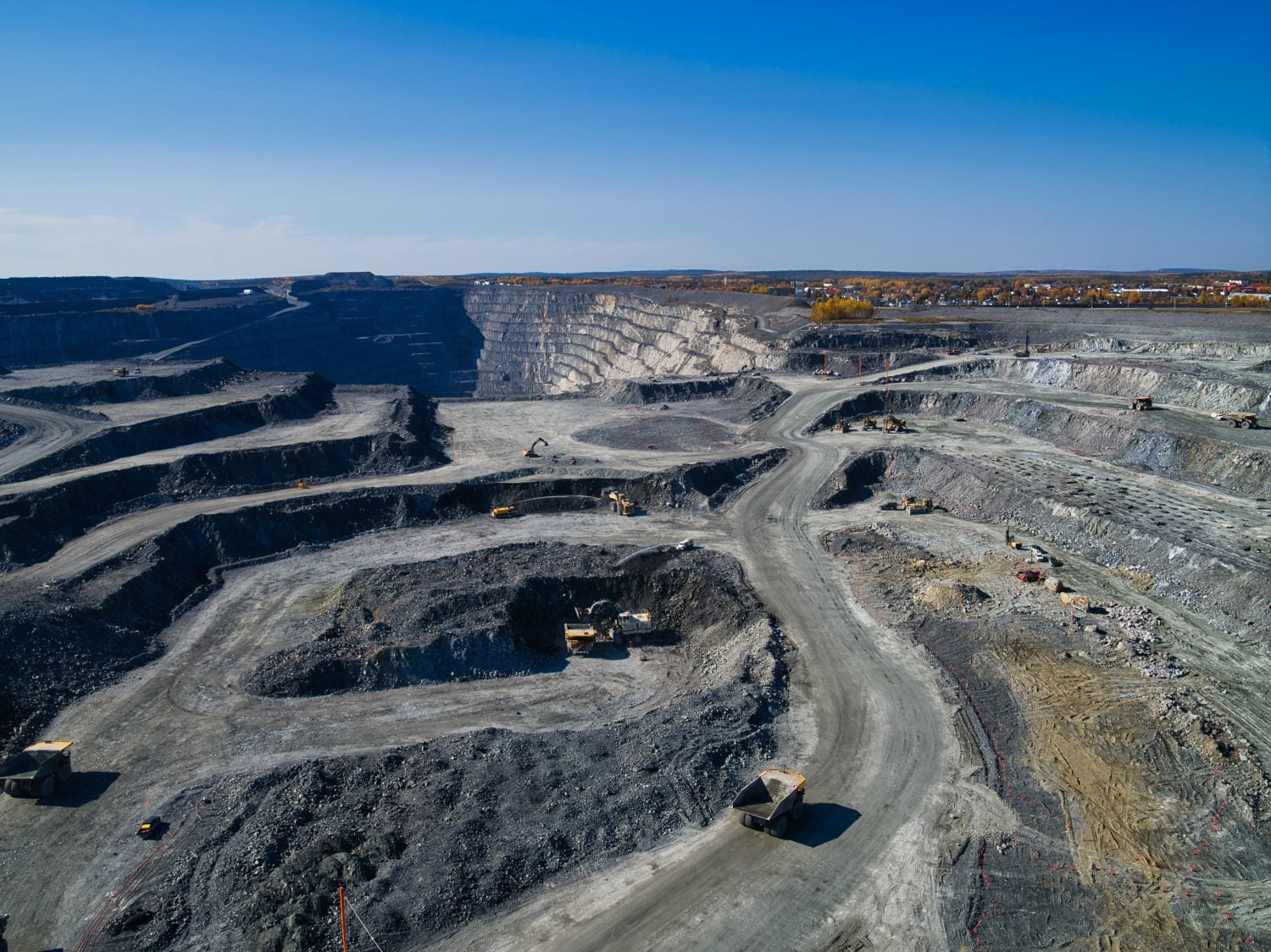
On September 15, the company announced its self-driving haul trucks at a Luck Stone quarry are moving large tonnage, with expansion to two more Virginia quarries, Boscobel and Bealeton, including the first autonomous deployment of Cat 775 trucks. The real question is whether this milestone changes the case for a stock whose earnings are carried by something else entirely.
What the Luck Stone Milestone Actually Proves
Tonnage proves the system works. It does not prove it earns meaningful money for Caterpillar.
Autonomy can monetize through incremental machine sales, retrofit kits, fleet-management software, or service contracts. Caterpillar disclosed no order value, truck count, or profit contribution, so any modeling is guesswork.
The Cat 775 detail signals a move down-market. Autonomy has historically lived on the largest mining trucks at copper and iron ore sites. Bringing it to a mid-size class opens the door to aggregates and construction fleets, the volume end of the market.
Where Autonomy Sits in the Earnings Mix Today
Compare that milestone to what is actually driving results. In the second quarter of 2026, revenue reached $20.5 billion, up 24% year over year, with adjusted EPS of $8.17, up 73%. Backlog climbed to $72 billion, up roughly $35 billion versus a year earlier.

Power & Energy is the engine. Segment sales rose 17% to $8.2 billion, with power generation sales up 72%, driven by large gensets and turbines for data centers. Gas prime orders extend toward the back half of 2028 and into 2029.
Autonomy was named on the earnings call only as a source of higher SG&A and R&D expenses inside Resource Industries. There is no standalone revenue figure. In the mix today, autonomy is an investment line.
Valuation After a 78% Run
At $798.51, the stock trades at a trailing PE of 34x and a forward PE of about 25x on 2026 consensus EPS of $27.1866. Analysts have posted 23 upward revisions to fiscal 2026 EPS in the past 30 days and zero downward revisions.
The $975.61 target implies roughly a 22% gap. Across 28 analysts, 1 rates it Strong Buy, 13 Buy, 12 Hold, 1 Sell, and 1 Strong Sell. That is a moderately constructive book, not a stampede.

Caterpillar trades at a growth multiple on a data-center power buildout everyone knows about. Full-year tariff costs of around $2.2 billion for 2026 are in the numbers, and expected IEEPA tariff recoveries of approximately $400 million are masking underlying margin pressure.
Bull and Bear Case for CAT Stock
The bull case rests on the AI power capex cycle having years to run and the extended backlog in gas engines and turbines locking in growth through 2028 and 2029. Upward EPS revisions, the $72 billion backlog, and pushing autonomy down to the Cat 775 class all point in the same direction. The pullback from $840 has drawn attention from investors watching the setup.
The bear case is that a stock up 78.79% in a year at a trailing PE of 34x looks like it’s already discounting most good news. Machinery demand is cyclical, tariff drag is real, and autonomy will not carry the quarter. If hyperscaler capex resets or gas-engine orders slip, the multiple compresses quickly.
A 22% implied gap is not a bargain, but earnings-revision trends and backlog visibility give the bull case real spine. Analyst targets are one data point.
Contact [email protected] for any questions or corrections.
Omor Ibne Ehsan is a writer at 24/7 Wall St. He is a self-taught investor with a focus on growth, cyclical, and dividend equities that have strong fundamentals, value, and long-term potential. He also has an interest in high-risk, high-reward investments such as penny stocks.